
Last updated November 18, 2026
 Wrought iron
 Wood & steel frame
 Farm & ranch
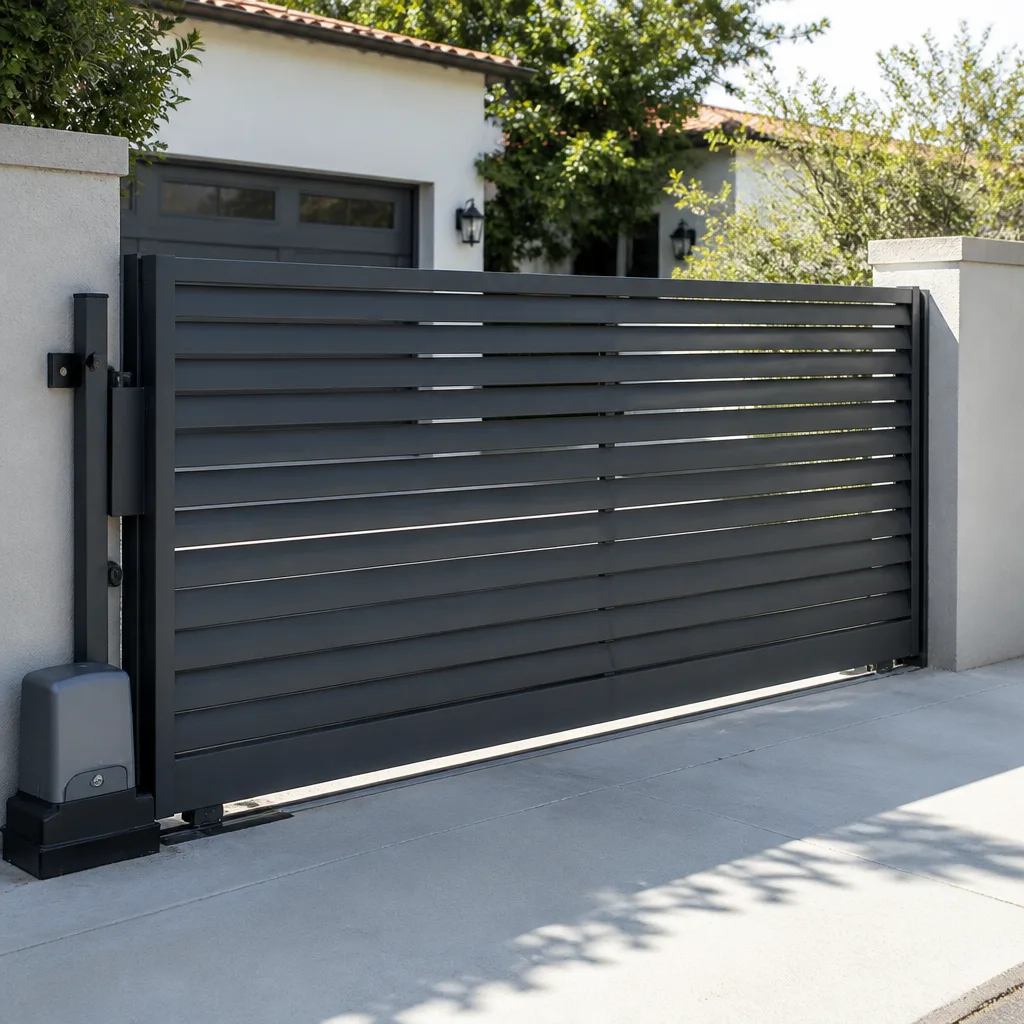 Sliding driveway gates
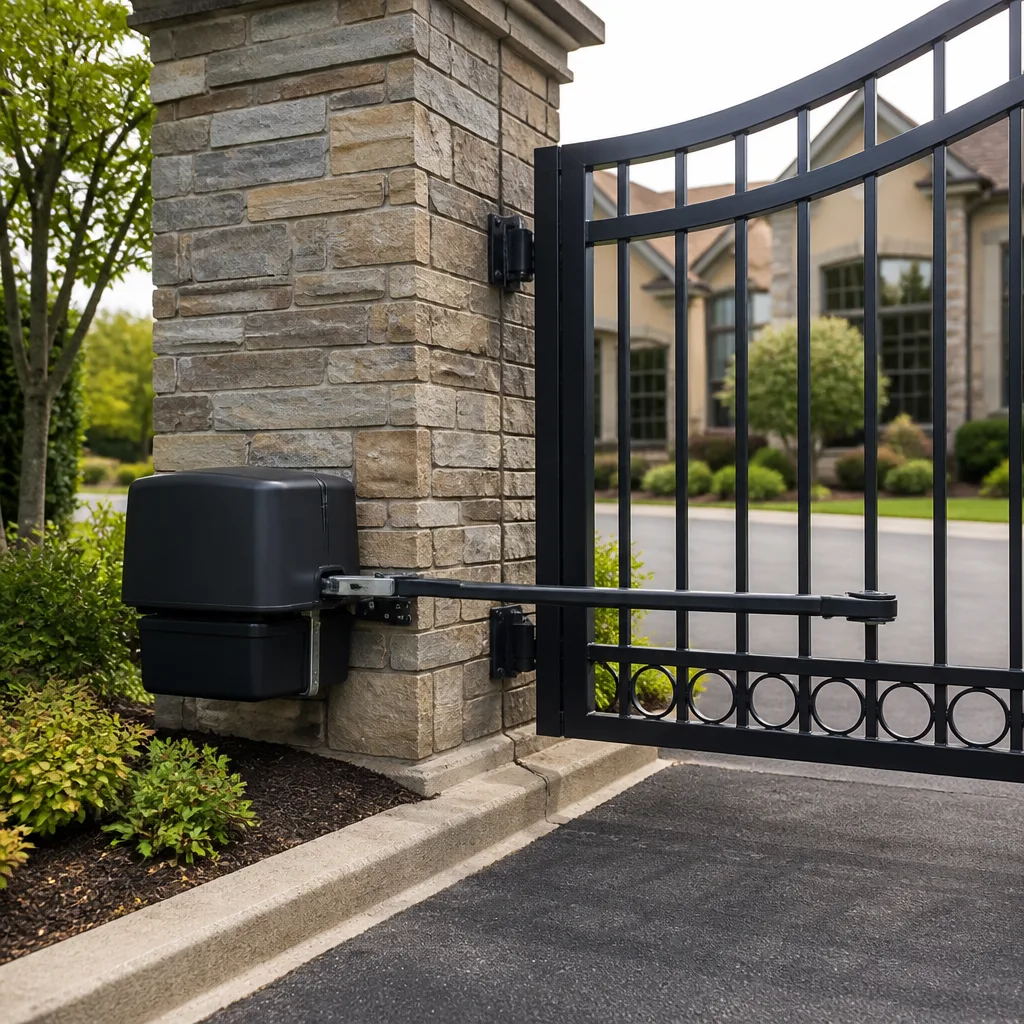 LiftMaster operators
Free on-site gate assessment - hinges, posts, and your LiftMaster or Nice gate operator checked before anything is quoted
The assessment is free and the quote is the invoice.
Get your free estimateDIY vs Professional Gate Access Control: What’s Safe to Do Yourself
Reprogramming a keypad is DIY. Replacing a control board is not. Not because the wiring is complicated, but because one wrong power-on sequence can lock a board to a code you don’t have, and the manufacturer’s reset procedure requires a technician login. That gap between “looks easy” and “recoverable if it goes sideways” is where most gate owners get into trouble. In this guide, we draw the line at reversibility rather than skill level, cover what actually happens when a board locks out, explain how to tell whether your brand is field-programmable, and describe the records a professional should leave behind so you can handle your own maintenance afterward. This is written from Winchester, where we see these jobs every week.
Styles & brands we work with
- Wrought iron
- Wood & steel frame
- Farm & ranch
- Sliding driveway gates
- LiftMaster operators
Quick Answer
You can safely change keypad codes, test an entry loop, check battery indicators, and clean photo-eye lenses yourself. You should not replace a control board, run firmware updates, or rewire relays unless you can restore the system to its current state if something fails. The deciding question isn’t whether you’re handy. It’s whether a mistake leaves a recoverable state or a locked board with no way back without a dealer-level unlock. If it’s the second one, book a professional.
Table of Contents
- The Reversibility Test: The One Question That Settles It
- Tasks That Are Genuinely Safe to DIY
- Tasks That Look Simple but Carry Hidden Lock-Out Risk
- How to Tell If Your Board Is Field-Programmable
- What to Photograph and Note Before You Touch Anything
- What a Professional Should Hand You After the Work
- Common Mistakes to Avoid
- When to Call a Professional
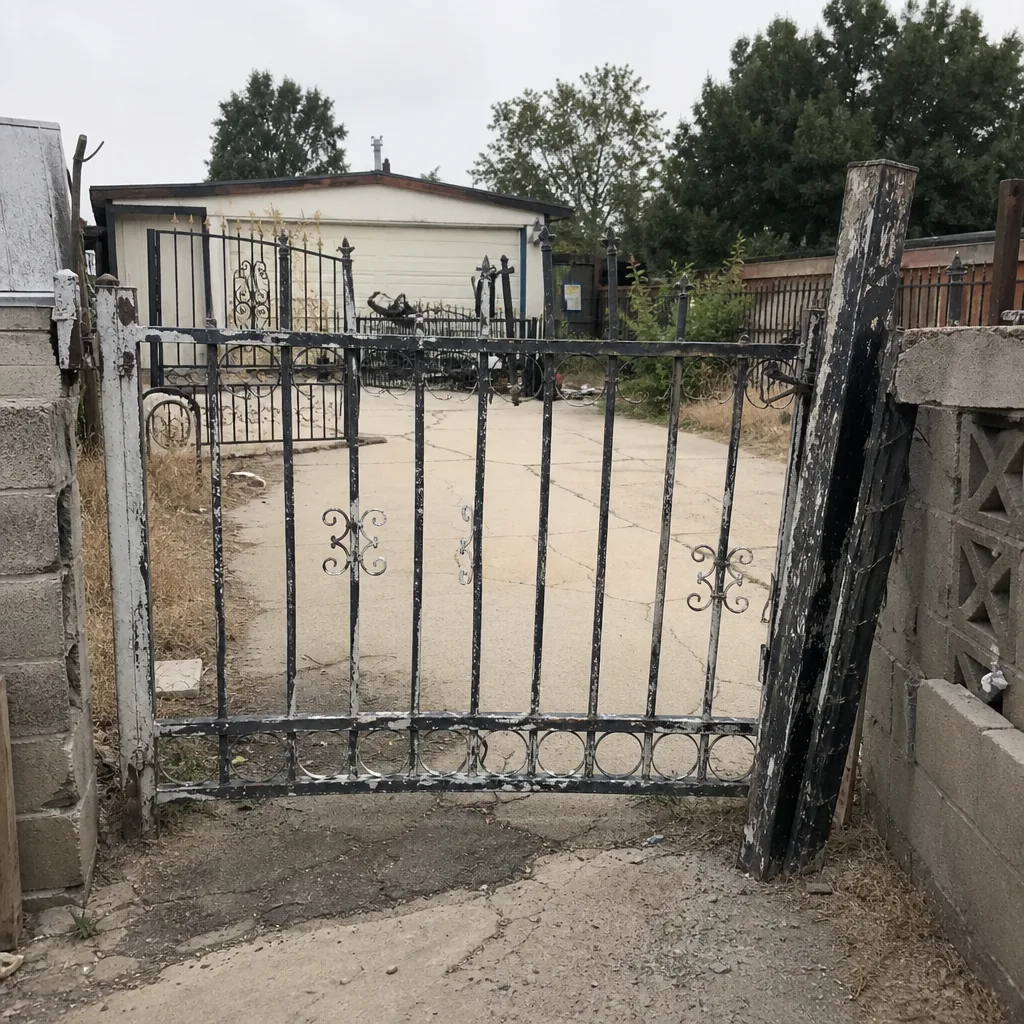 Before
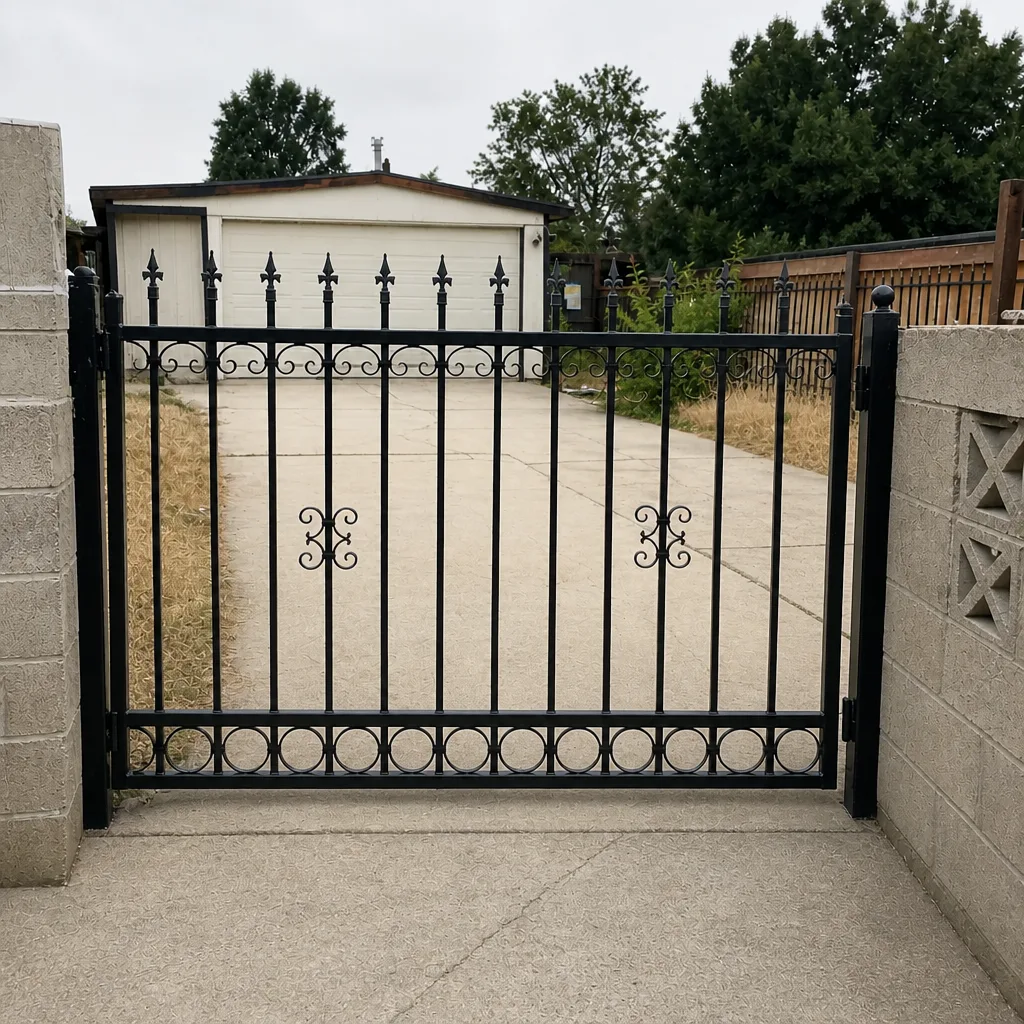 After
The Reversibility Test: The One Question That Settles It
Before you pick up a screwdriver, ask one question: if this goes wrong, can I put it back exactly the way it was? That’s the reversibility test, and it sorts every access-control task into two piles cleanly. A keypad code change is reversible. You pressed the old code out, you can press the new one in, and if you forget it, a factory reset on most residential keypads gets you back inside. Replacing a control board is not reversible, because a wrong power-on sequence can set the board into a locked state, and the recovery path for some brands lives behind a dealer credential you don’t have.
Skill matters, but it matters less than people think. We’ve watched confident homeowners who could rewire a light fixture in ten minutes stop cold at a board swap, and rightly so. The wiring itself is often two or three terminal blocks. The danger isn’t the physical connection – it’s the sequence. Power on before the limit switches are read, and the board logs a fault you may not be able to clear without a login. The board doesn’t care how good your hands are.
In Winchester, we see this play out most often after a power event. A brownout trips the operator, the gate half-opens, and the homeowner assumes the board is dead and starts pulling connectors. Nine times out of ten the board is fine and the limit switch just lost its reference point. But by the time the connectors are off, you’ve traded a free reset for a paid board replacement. Reversibility would have told you to stop before the first connector came loose.
Tasks That Are Genuinely Safe to DIY
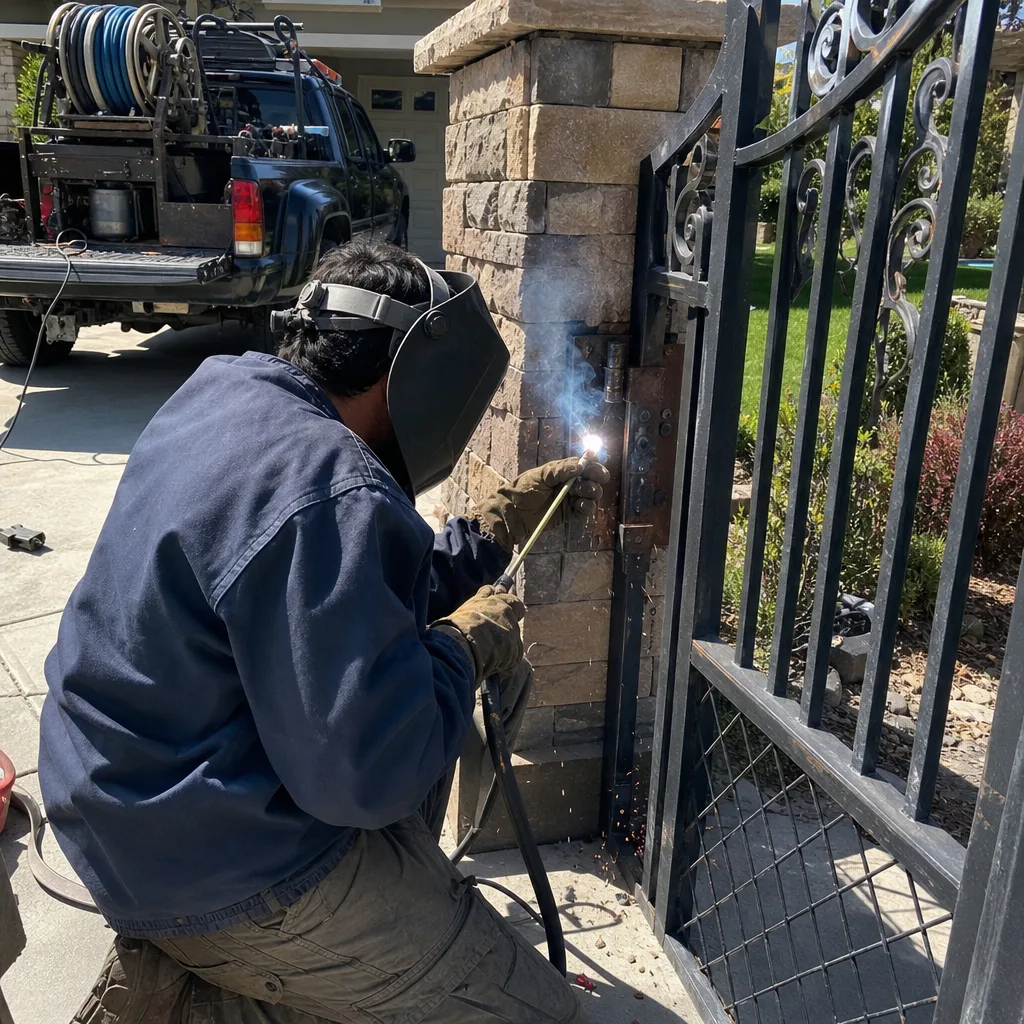
These are the jobs where a mistake costs you a few minutes, not a diagnostic visit. Do them yourself, keep a written note of what you changed, and call us when the pattern stops making sense.
- Keypad code changes. Adding a new code for a family member or removing one after a move is the classic safe task. Most residential keypads accept a master code plus a programming sequence printed on a sticker inside the housing. Write the new code down somewhere other than your phone’s notes app.
- Entry loop testing. Drive a car over the exit loop and see if the gate triggers. If it doesn’t, that tells you the loop or detector is suspect without you needing to open the cabinet. Testing is not the same as replacing, and testing is always safe.
- Battery indicator checks. On battery-backup operators, a status light tells you whether the battery is holding a charge. Checking the light is free. If the light is red or flashing, note the pattern and stop there.
- Cleaning photo-eye lenses. A photo-eye is the infrared beam that stops the gate if something crosses its path. Dust, spider webs, and pollen build up on the lens and cause phantom stops. A soft cloth and lukewarm water on the outside of the lens is all it takes.
- Manual release practice. Learn where your manual release key goes and how the arm disengages. Do this on a calm afternoon, not during an emergency when the power is out.
On the residential gates we service across Winchester, half the “the gate won’t open” calls turn out to be one of these five items, resolved by the homeowner at zero cost. When we do get called out to a genuine fault, our gate repair service in Winchester under the Haven Standard means a flat written price before we start.
Tasks That Look Simple but Carry Hidden Lock-Out Risk
These are the jobs where the physical work is a fifteen-minute screwdriver task, but a single wrong step leaves you worse off than when you started. We’ve listed them by how often they go wrong in Winchester, not how often they’re attempted.
- Replacing a control board. The connectors look labeled. The wire order is not always obvious once the board is out. Worse, some boards ship pre-registered to a dealer code, and the reset sequence requires a technician-level login you don’t have. A wrong power-on sequence can lock the board into a state that no keypad sequence clears.
- Firmware updates. A firmware flash over a spotty Wi-Fi connection can brick the board. On LiftMaster and DoorKing boards we service, the update requires the operator to remain powered and connected for the full flash. A brief internet drop in the middle is enough to leave the board in an intermediate state.
- Relay wiring changes. Adding a second gate to an existing operator, or wiring in a new exit device, means moving a wire from a normally-open terminal to a normally-closed one. Get it wrong and the gate reverses on itself or fails to stop at the limit. Doing this on a live circuit also risks damaging the driver chip.
- Any work behind the cabinet with power on. The control cabinet on a swing operator often carries mains voltage even when the motor appears idle. Pulling the wrong connector with power applied is a genuine shock hazard, not a metaphor for a mistake.
We should be direct about the safety line here as well. High voltage inside the operator cabinet, and any work on the high-tension components inside a gate arm, are jobs for a trained technician. Do not attempt to open a cabinet with mains power live. Call us and we’ll walk you through the safe shutdown if you need one.
How to Tell If Your Board Is Field-Programmable
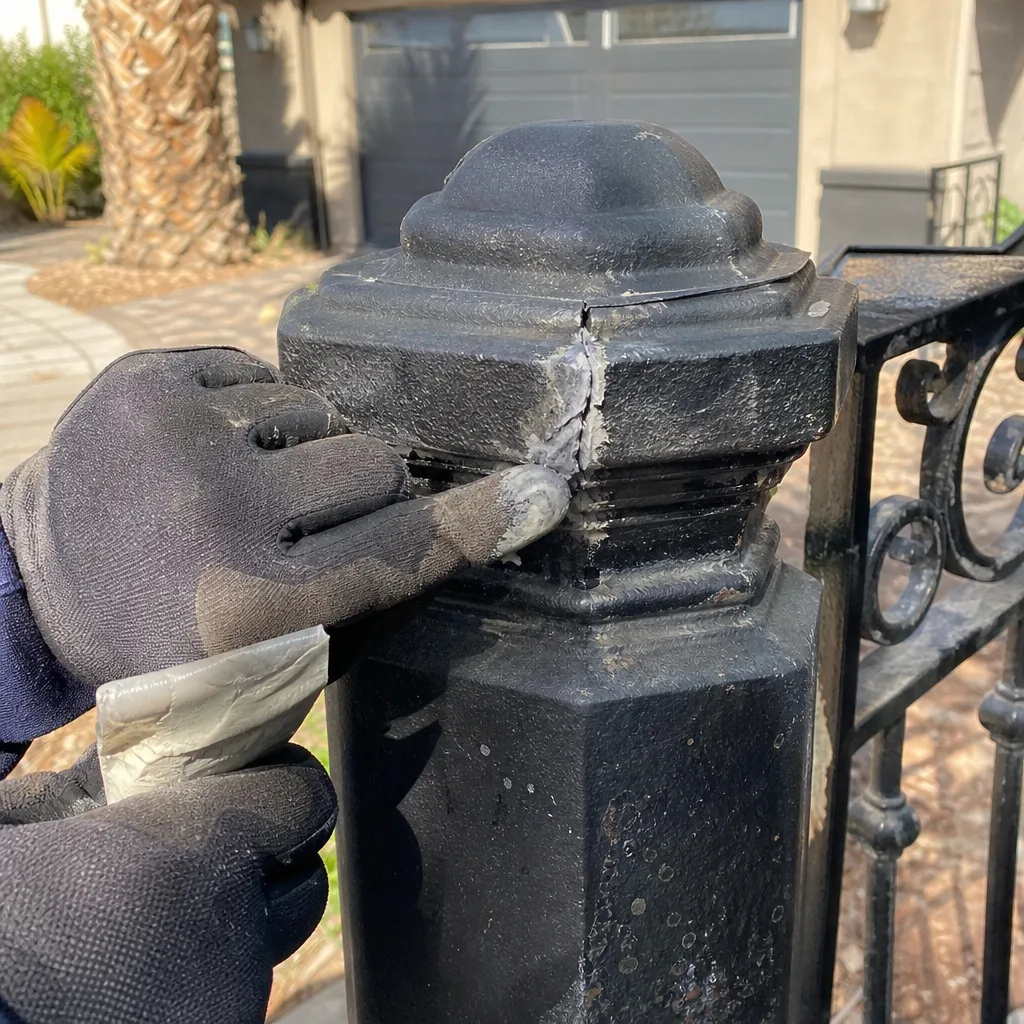
Some boards accept a homeowner reset from the cabinet keypad. Others require a dealer code the manufacturer issues only to licensed installers. Knowing which one sits on your gate saves you a wasted afternoon and, occasionally, a bricked board. Here’s how to check, in order.
- Read the model label on the operator housing. Every board has a model number printed near the power terminals. Write it down before you open anything.
- Check the manual’s “reset” section. A field-programmable board will describe a reset sequence you can perform from the cabinet keypad. A dealer-only board will say “contact your authorized dealer” or “reset requires service technician.”
- Look for a lockout sticker. Many DoorKing and Elite boards ship with a sticker reading something like “Dealer Programming Only” on the outside of the cabinet. If it’s there, don’t open the cabinet.
- Search the model number plus “reset procedure” online. If the only results are electricians and gate companies, the board is dealer-locked. If the results include a homeowner PDF, it’s field-programmable.
Mighty Mule boards usually fall into the field-programmable camp – the reset is a button-and-keypad sequence in the manual. LiftMaster is mixed; some models allow a homeowner reset, some do not. If you’re not sure, the safe move is to photograph the label and send it to a professional rather than guess. We check board-reset accessibility on every call so you’re not paying for a service visit on a problem you could have cleared yourself.
What to Photograph and Note Before You Touch Anything
This is the section most other guides skip, and it’s the one thing that separates a routine keypad change from an insurance claim. The habit comes out of commercial access-control work, where every terminal strip gets photographed before a connector comes loose. Do the same before you touch anything on your gate.
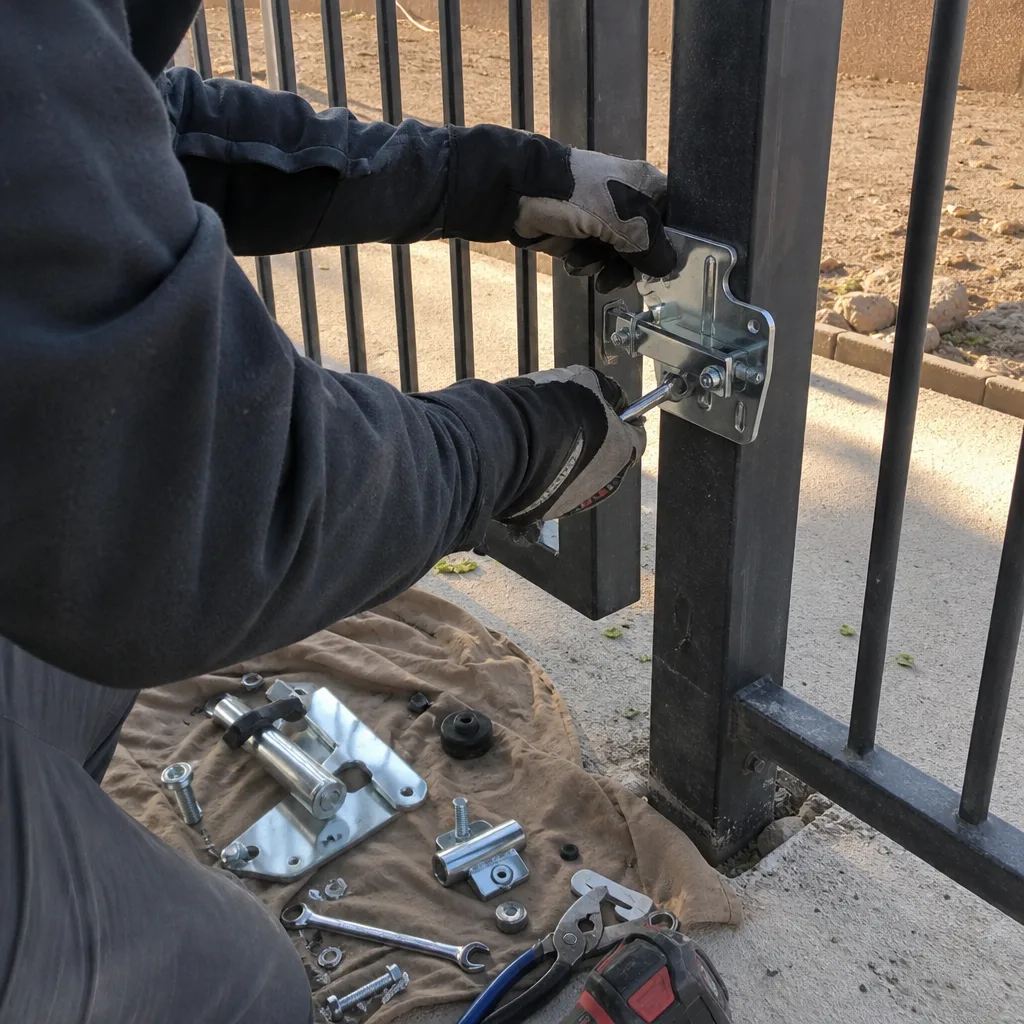
- Photograph the terminal strip. A phone photo of the labelled terminals with the wires still attached gives you a reference exact enough to reverse any mistake. Take it before the first wire moves.
- Note current limit-switch positions. Write down or photograph the physical position of both the open and close limit switches. If the gate reverses or stops short after your work, the limits are the first thing to check, and you can only check them if you recorded where they started.
- Record the model and serial numbers on the board. A photo of the label is worth more than a transcription. Model numbers have digits that look alike, and a wrong digit sends you the wrong part.
- Note the current travel time. Time the gate from fully closed to fully open with a stopwatch and write the number down. If a repair changes the travel time, the spring tension or the arm angle has shifted and needs attention.
- Photograph any slack in the chain or arm. Before-and-after photos of the mechanical linkage give you an honest record of whether anything moved that shouldn’t have.
On Winchester hillside properties, gates tend to run harder in the summer heat because the operator cycles more often on shorter, more uneven driveways. That extra cycling is exactly when limit switches drift. Shooting the position before your work means you can restore the reference in a minute if a routine change nudges the arm. Under Clause 4 of the Haven Standard, every professional visit includes a documented photo record, so you’re not the only one keeping notes.
What a Professional Should Hand You After the Work
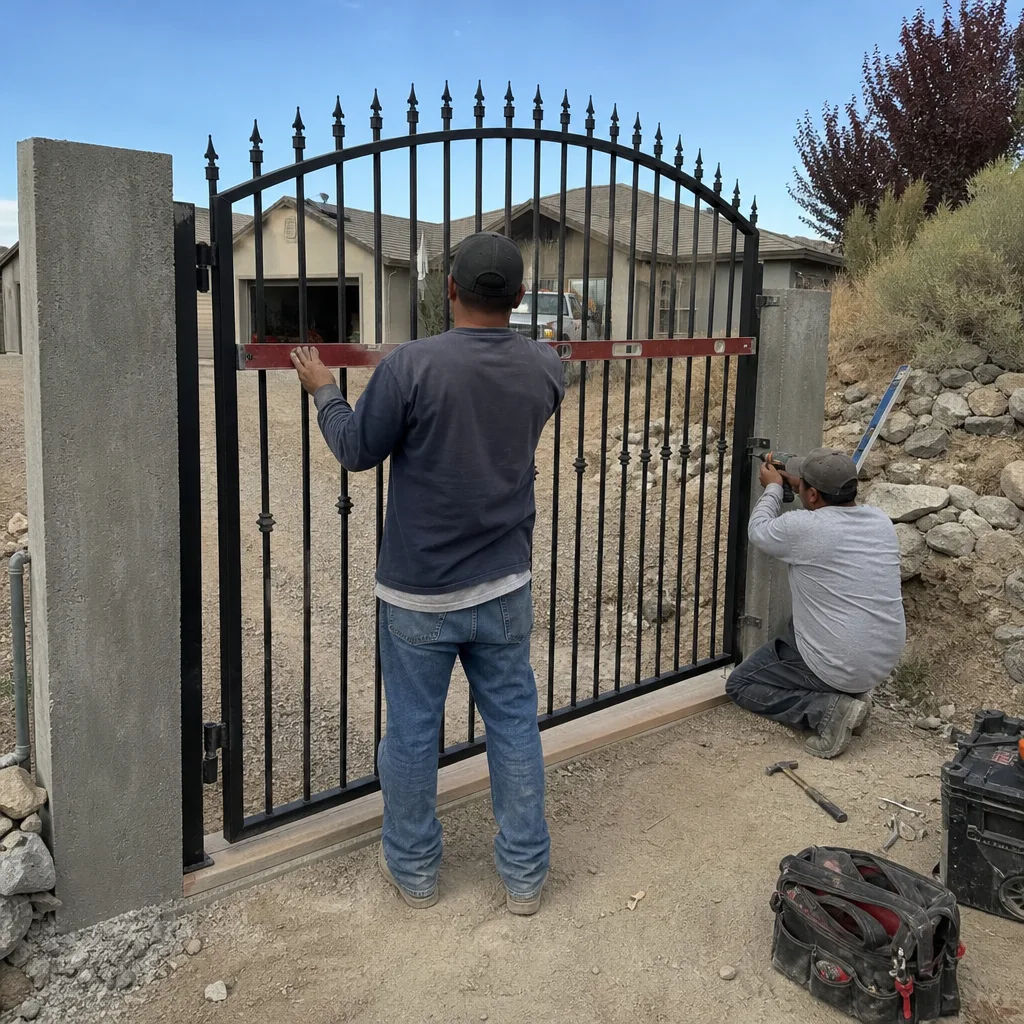
A proper access-control visit doesn’t end when the technician closes the cabinet. It ends when you have a written record you can maintain from. The document set you should expect after any professional gate access-control job includes:
- A written scope and price. The Haven Standard, under Clause 1, requires the flat price to be written and handed over before work begins. That includes access-control visits, not just motor replacements.
- A photo log of every adjustment and replacement. The photo record should show what was found, what was set, and what was installed – terminal positions, limit readings, part numbers visible.
- The part number and brand of anything replaced. Not “control board, generic.” A specific part number means you can source a replacement in the future without paying for a diagnosis round trip.
- The current keypad programming instructions. If a technician changed your codes, you should walk away knowing how to change them back. If the board is dealer-locked, you should be told that in writing, so you know a future code reset requires a service call.
- The 365-Day Done Right Promise. Any work we complete is covered for a full year. If something we returned to you fails within that window, we make it right at no additional charge. No argument, no fee.
We service nine major gate automation brands – LiftMaster, FAAC, BFT, Linear, Viking, Ghost Controls, DoorKing, Elite, and Mighty Mule – so we work on whatever motor is already on your property rather than steering you toward a replacement. If you’ve got a written estimate from another company and you’re not sure whether the diagnosis is sound, we’ll review it at no cost. For a broader view of the work we do, our gate motor and opener service in Winchester is the closest read.
Common Mistakes to Avoid
- Changing the keypad master code without writing it down. A master code reset on a dealer-locked board can leave you with no way to program any code until a technician arrives. Write the new code on a card and store it somewhere physical.
- Opening the control cabinet with power on. On swing operators, mains voltage is present in the cabinet even when the motor is idle. Shut the breaker off at the panel before opening anything, or don’t open it.
- Assuming a dead gate means a dead board. In our experience, a third of board replacements start with a symptom that a photo-eye misalignment or a limit-switch drift would explain. Clean the photo-eye lenses and test the loop before you price a board.
- Firmware flashing over spotty Wi-Fi. On Winchester properties where the gate is far from the house, the internet connection at the operator is often weak. A half-finished firmware flash can leave the board in a state only a dealer can recover.
- Moving a limit switch “just a little.” Limit switches are set to a reference point, and a small nudge changes how far the gate travels. If you move one, photograph the position first and expect to reset the travel afterward.
- Wiring an exit device to the wrong relay terminal. Normally-open and normally-closed terminals on the relay block are easy to confuse, and miswiring can make the gate reverse mid-travel. Label both wires with tape before you disconnect either one.
- Skipping the manual release practice. The one time you need the manual release is during a power outage, and fumbling the key with a phone flashlight is not the moment to learn. Practice it once on a calm afternoon.
When to Call a Professional
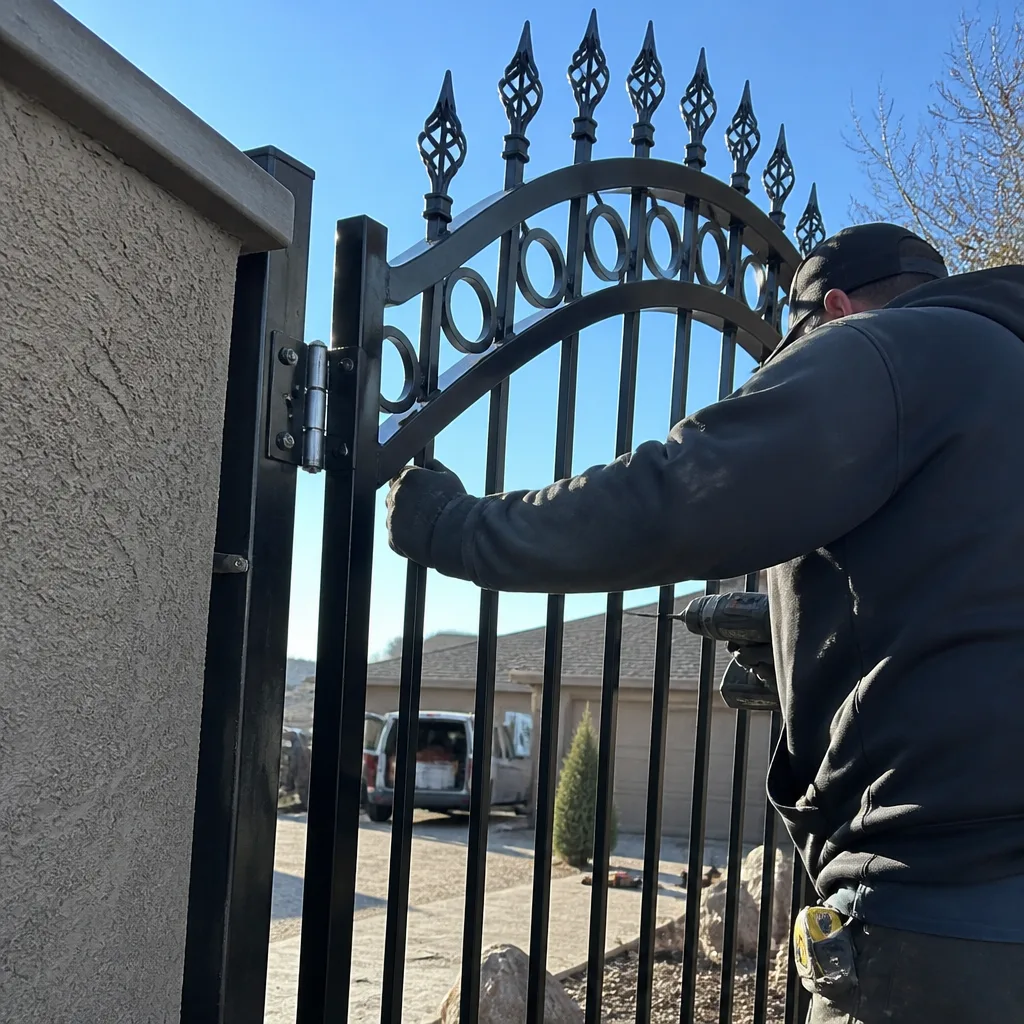
Call a professional when the task fails the reversibility test, or when the symptom pattern points to a component you can’t safely diagnose without opening a live cabinet. That includes any board replacement, firmware update, relay rewiring, work on a liftmaster operator with a dealer-locked reset, and any situation where the gate operates unpredictably after you’ve cleared the photo-eyes and tested the loops. If a written estimate from another company quotes a board replacement without a photo log showing what was tested first, call for a second opinion.
We answer the phone live, every hour of every day – no voicemail loop. If you’re in Winchester and want a flat, written price before any work starts, call Vance Gate Repair Winchester at (866) 983-9213 for a free estimate. Our technicians have up to 12 years of experience, and every visit under the Haven Standard leaves you a documented record. If you’re planning new gate work rather than a repair, our gate installation service in Winchester is the right starting point.
Frequently Asked Questions
Yes, in most cases. Residential keypads from Mighty Mule, LiftMaster, and Linear accept a master-code programming sequence you can perform yourself from the manual. The catch is that a small number of boards ship dealer-locked, in which case a code reset requires a technician. Check your manual’s reset section before you start. Call (866) 983-9213 for an exact quote if your board is dealer-locked – estimates are free.
You can lock the board into a state that no keypad sequence can clear. Some boards, notably on DoorKing and certain LiftMaster models, require a dealer credential to reset after a wrong power-on sequence. That means a board that worked perfectly before you touched it becomes a service call. Call (866) 983-9213 if you want a second opinion before you open the cabinet – estimates are free.
Check the model label on your operator, then look for the reset section in your manual. If the manual describes a cabinet-keypad sequence you can run, the board is field-programmable. If it says “contact your authorized dealer,” it’s dealer-locked. A quick phone call to us with the model number settles it in under two minutes if you’re not sure.
Yes. The photo-eye is the infrared beam that stops the gate if the path is broken. Cleaning the outside of the lens with a soft cloth and lukewarm water is a safe, routine maintenance task, and it fixes more phantom-stops in Winchester than any other single item. If the gate still stops after cleaning, don’t open anything – call us.
Yes, and that’s the point. Under the Haven Standard, every visit includes a photo record of what was found, what was adjusted, and what was installed, plus the part number of anything replaced. That record is what lets you safely maintain the gate after a professional visit. Call (866) 983-9213 for a free estimate on initial diagnosis.
A flat, written price before work starts, a photo log of every adjustment and replacement, the part number of anything installed, and the 365-Day Done Right Promise on completed work. That’s the same documentation standard carried over from commercial access-control work. If you have a written estimate from another company, bring it and we’ll review it at no cost – call (866) 983-9213.
The Bottom Line
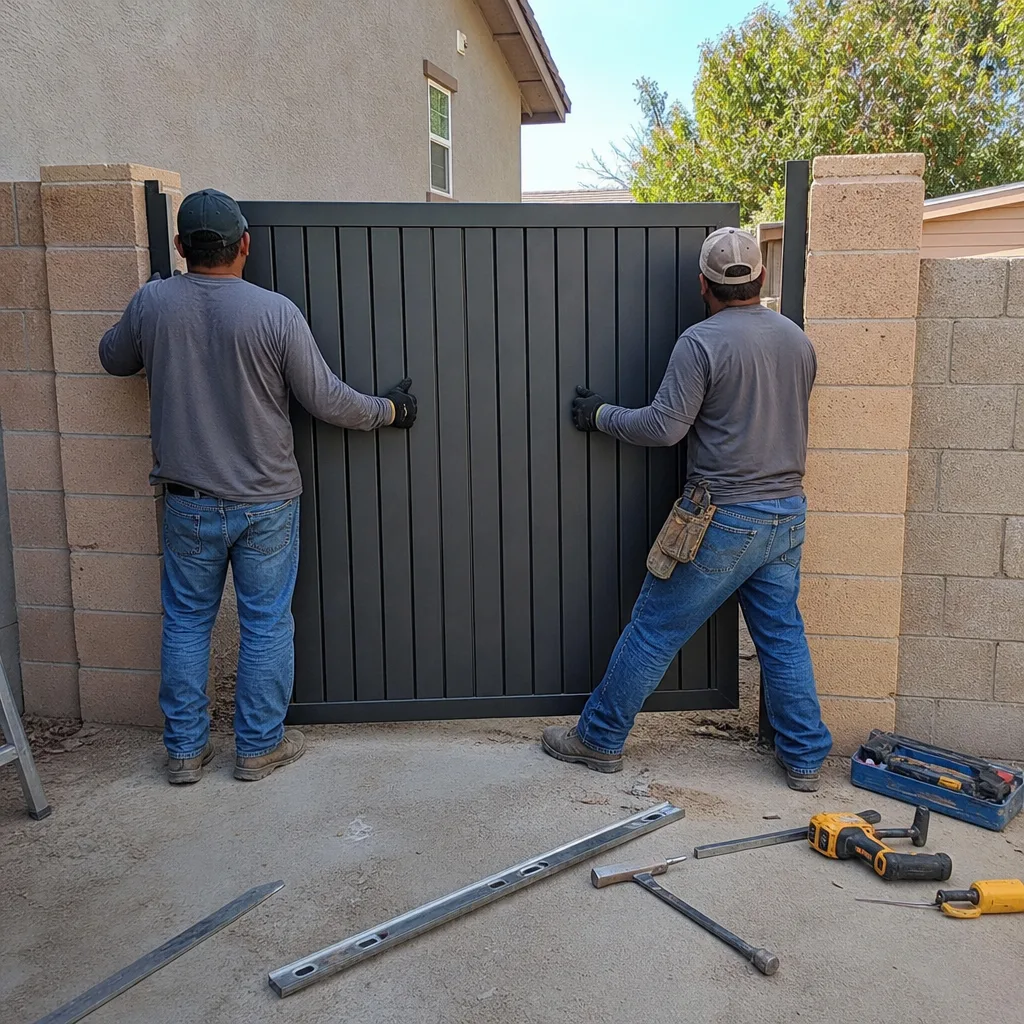
The right question about DIY gate access control isn’t whether you’re handy. It’s whether the task leaves a recoverable state if it goes wrong. Keypad code changes, photo-eye cleaning, loop testing, and battery checks all pass that test and you should do them yourself. Board replacements, firmware updates, relay rewiring, and any work inside a live cabinet fail it, and no amount of confidence closes the gap. Photograph before you touch. Write down the limit positions. Know whether your board is field-programmable or dealer-locked. And if you want the written price and photographed record up front, call Vance Gate Repair Winchester at (866) 983-9213 for a free estimate.
If you’d like the wider context for the gate work we do, start at our Vance Gate Repair Winchester home page. We answer live 24/7, and every visit is governed by a written scope, a documented photo record, and the 365-Day Done Right Promise.
Written by the team at Vance Gate Repair Winchester.
See the difference
BeforeAfter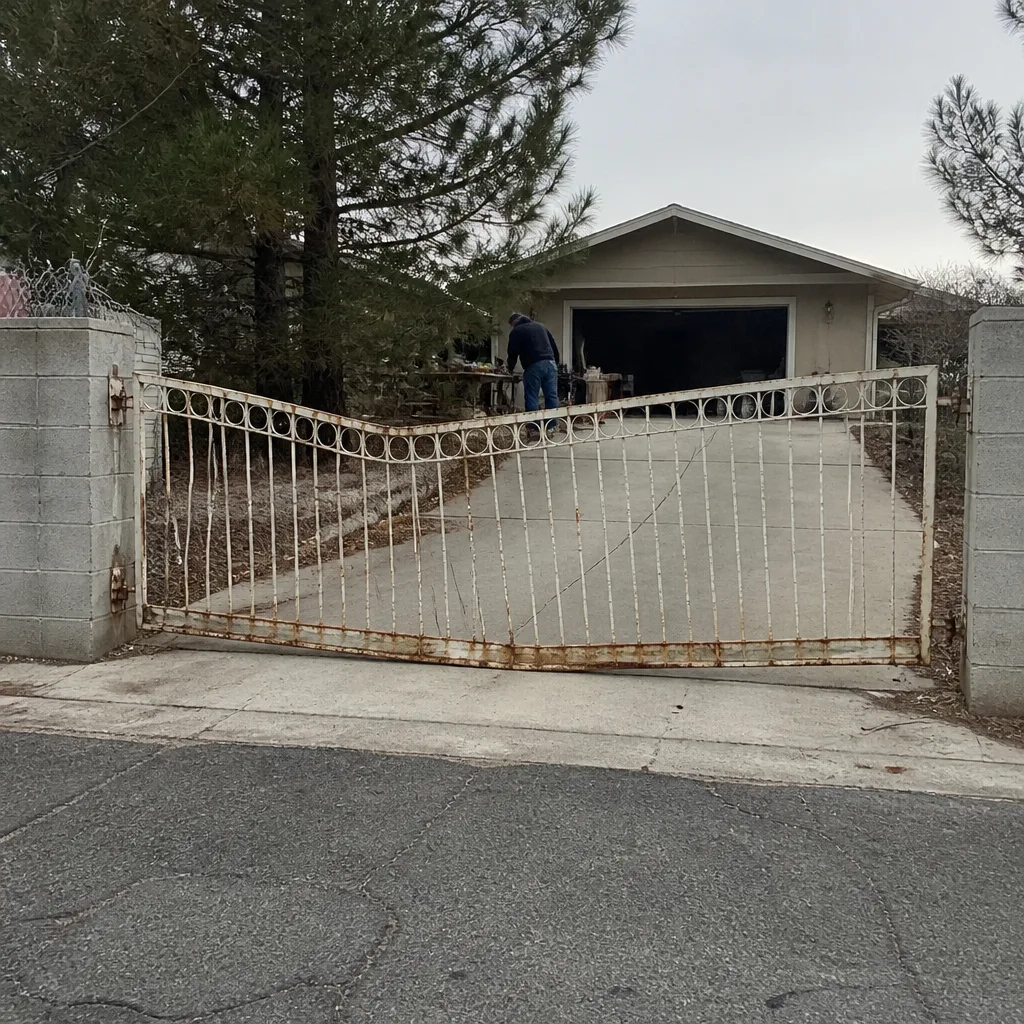 Before
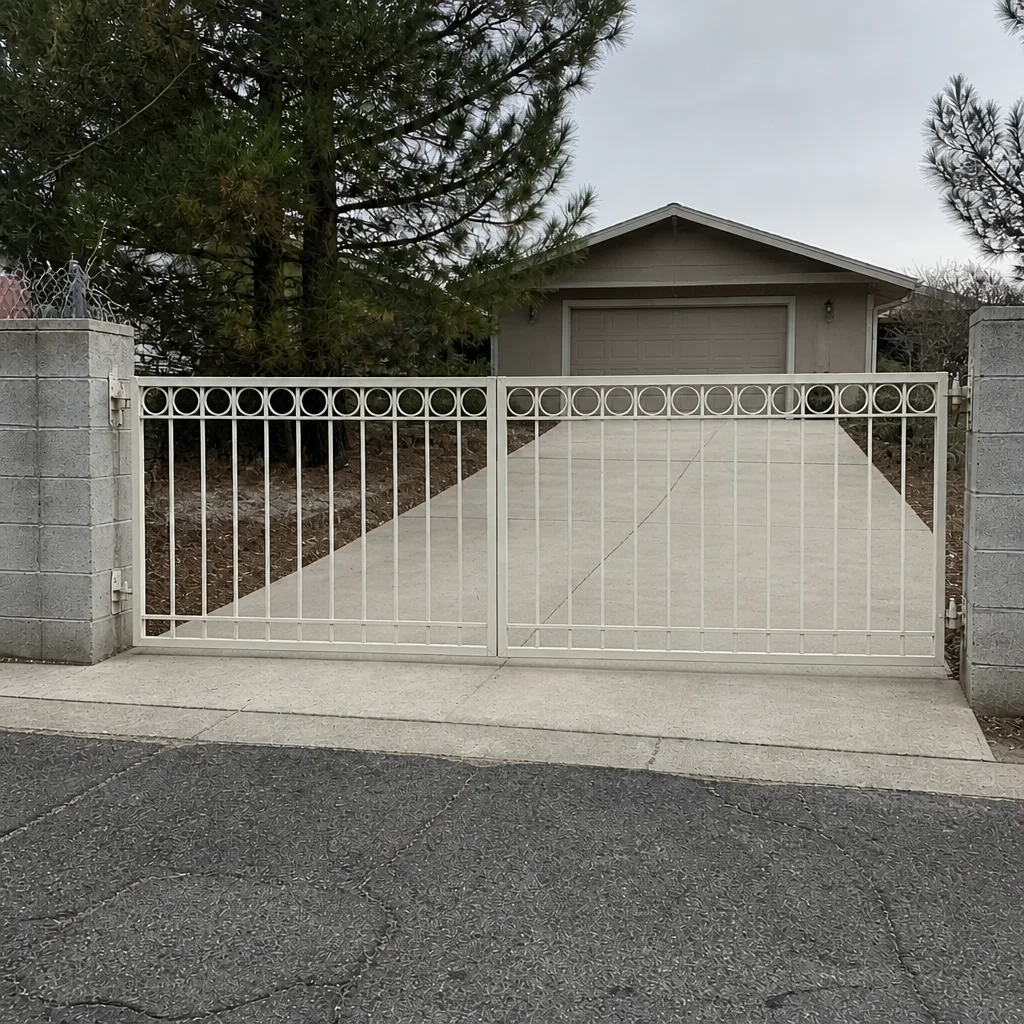 After
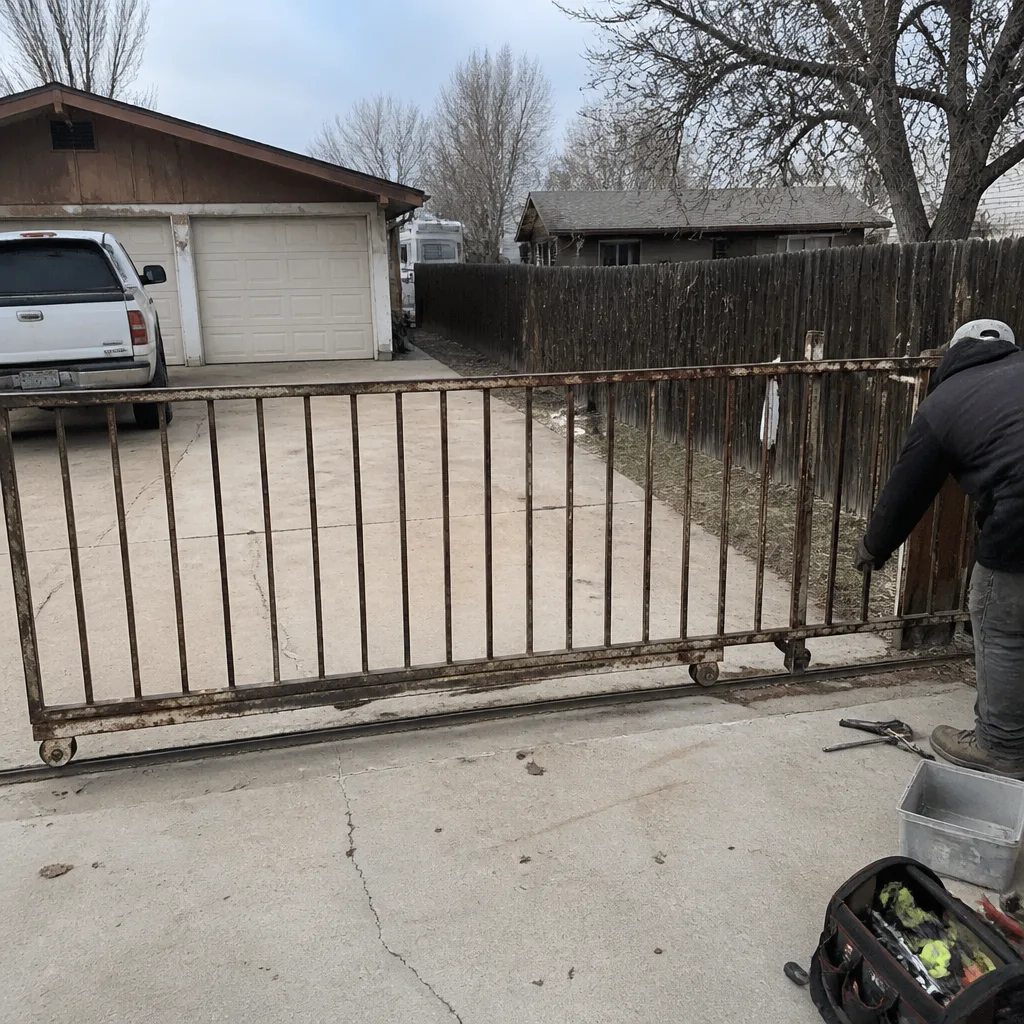 Before
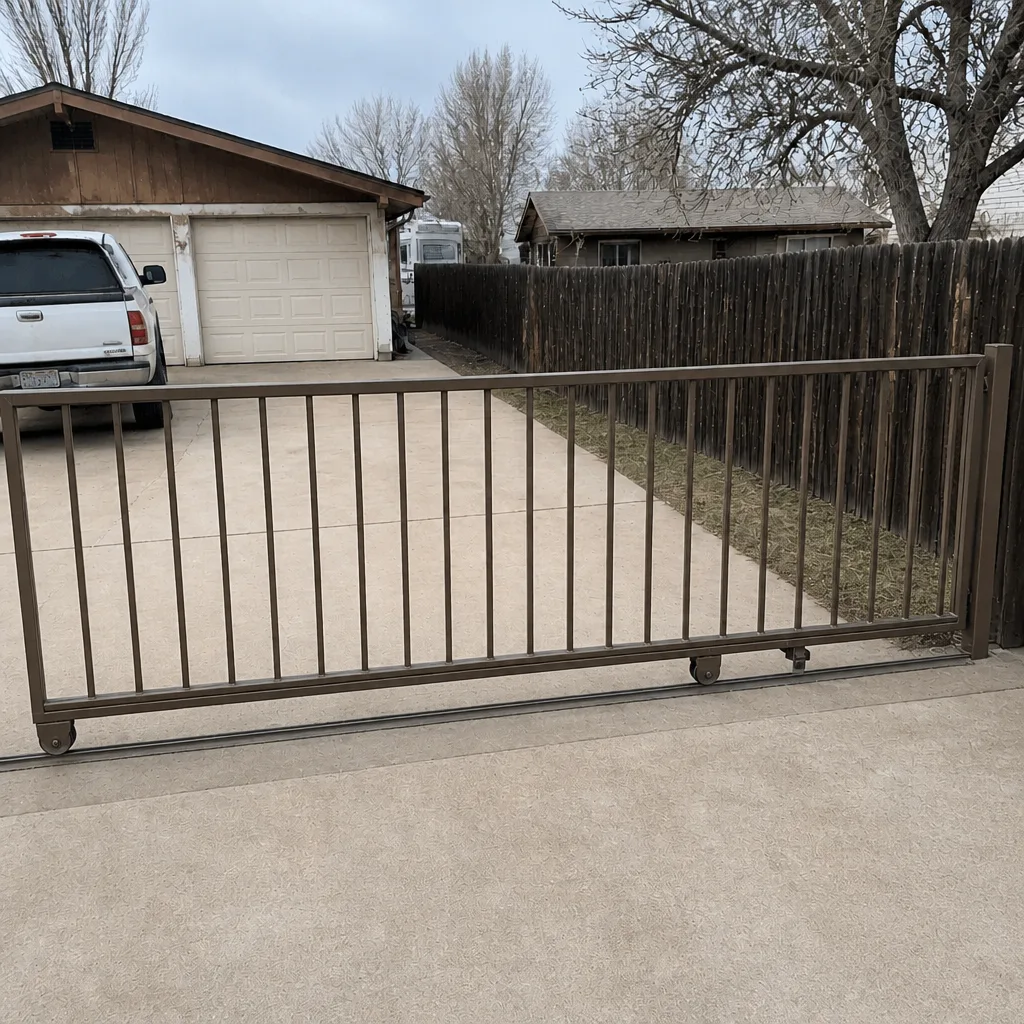 After