
Last updated November 18, 2026
 Wrought iron
 Wood & steel frame
 Farm & ranch
 Sliding driveway gates
 LiftMaster operators
Free on-site gate assessment - hinges, posts, and your LiftMaster or Nice gate operator checked before anything is quoted
The assessment is free and the quote is the invoice.
Get your free estimateGate Repair Permits, Codes & Inspections in NV: What You Need to Know
Swapping a gate operator in Winchester can quietly turn into an unpermitted electrical installation, and most homeowners never see it coming. The reason isn’t the gate arm or the hinges. It’s the low-voltage transformer and the hardwired controller that feed the motor. In Nevada, that side of the work falls under electrical code, handled by the county building department rather than any gate-specific authority. We’ve walked onto plenty of Winchester properties where a previous operator was changed out with no paper trail, and the problem only surfaced during a home inspection or an insurance question months later. This guide explains when a permit is actually required, whose building department you’re dealing with in unincorporated Winchester, what an inspector examines, and how unpermitted gate work can cost you at sale or claim time.
Quick Answer
In Nevada, replacing a gate operator generally requires a permit when the job involves a hardwired transformer, new electrical connections, or new post footings. Swapping a motor unit onto an existing, undamaged post with no electrical change is often treated as a grey area, but any new wiring or structural footing usually triggers a county electrical or building inspection. Unincorporated Winchester is served by the county building department rather than a city one, so confirming jurisdiction before you book the work matters.
Styles & brands we work with
- Wrought iron
- Wood & steel frame
- Farm & ranch
- Sliding driveway gates
- LiftMaster operators
Table of Contents
- Whose Building Department Covers Winchester?
- The Three Permit Trigger Points on a Gate Job
- What an Inspector Actually Checks During a Gate Electrical Inspection
- How Unpermitted Gate Work Affects Insurance and Property Sales
- The Documentation Package That Satisfies Most Inspectors
- Nevada Revised Statutes and the Low-Voltage Line
- What You Can Check Yourself Versus What Needs a Licensed Pro
 Before
 After
Whose Building Department Covers Winchester?
Winchester sits in unincorporated Clark County, which means the city of Las Vegas building department is not the authority for most gate permits here. The Clark County Building Department handles unincorporated parcels, and that distinction matters because permit forms, inspection scheduling, and fee structures differ between the two. When a contractor tells you they’ll “pull the permit,” the first thing worth confirming is which department they’re filing with.
We’ve run into this confusion on plenty of Winchester jobs. A homeowner calls a Las Vegas-based gate company that assumes city jurisdiction, and the paperwork stalls because the property is actually county. The fix is straightforward: check your parcel on the county assessor’s map before anyone files. If your property line falls inside a city boundary, the city department applies. If it’s unincorporated, it’s Clark County. Either way, the gate work itself doesn’t change. What changes is where the application goes and who signs off on the final inspection.
Rural parts of Nevada fall under county or state jurisdiction too, and Washoe County runs its own separate system. The principle holds everywhere: identify the authority having jurisdiction (AHJ) before you file. In Winchester, that’s almost always Clark County. Get that one detail right and the rest of the permit process becomes a matter of assembling the right documents rather than untangling a jurisdictional mess.
The Three Permit Trigger Points on a Gate Job
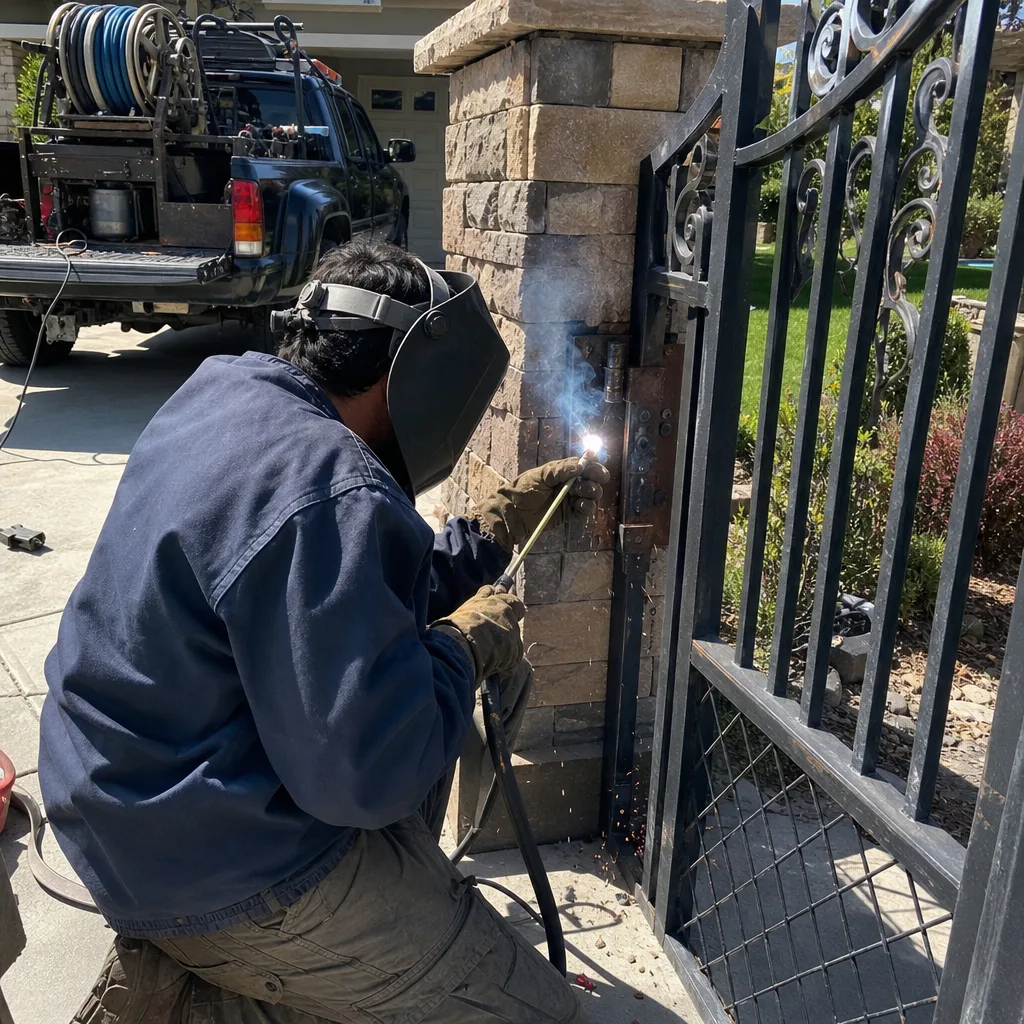
Not every gate repair needs a permit. But three specific triggers almost always do, and knowing them keeps you from either over-permitting a simple fix or under-permitting a real installation. Here’s how we break it down for Winchester homeowners.
- New post footings (structural). If a gate post is being set in new concrete, that’s a structural footing. A footing has to meet depth and mix requirements, and it carries the load of the gate and operator. This is a building permit item, and an inspector may want to see the footing before concrete is poured.
- Hardwired transformer (electrical). When a gate operator needs a new transformer wired into a circuit, that’s electrical work. It requires a licensed electrician or a gate contractor authorized for the electrical scope, plus an electrical permit in most cases. Low-voltage doesn’t automatically mean exempt; a transformer that steps line voltage down still starts at a line-voltage connection.
- New operator on an existing post (grey area). This is the one Winchester homeowners ask about most. If you’re replacing a LiftMaster or FAAC unit on a post that’s sound and the electrical feed stays exactly as it was, some jurisdictions treat it as a like-for-like repair with no permit. If the new operator uses a different transformer, different voltage, or a hardwired controller where there wasn’t one, it crosses into electrical territory. Document what you find and confirm with the AHJ. We recommend a written opinion from the building department in the grey-area cases rather than guessing.
The pattern to remember: structural or electrical change means a permit. A pure mechanical swap that touches neither is usually outside permit scope, but you want that recorded. Documentation is the difference between a defensible repair and an unpermitted electrical installation, and a Gate Motor & Opener in Winchester service call is where that documentation starts.
What an Inspector Actually Checks During a Gate Electrical Inspection
When a gate electrical inspection is scheduled, the inspector isn’t evaluating whether the gate looks nice. They’re verifying the electrical and safety install against code. Four items appear on nearly every checklist, and each one can fail a job if it’s not in order.
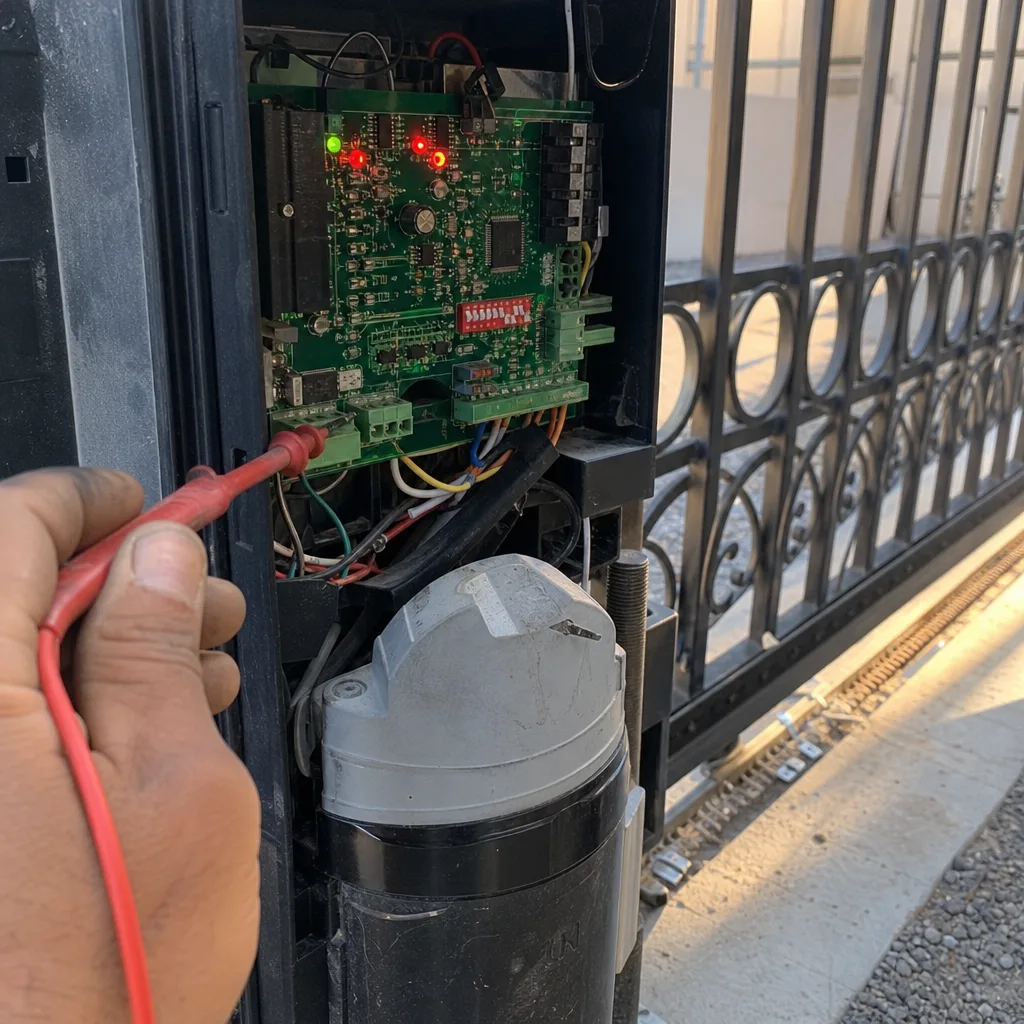
- Transformer and disconnect. The inspector confirms the transformer is rated for the operator’s load and that there’s a means to disconnect power to the gate system. If the transformer is undersized or there’s no disconnect, the inspection fails.
- Grounding and bonding. Metal gate posts and operators near a power feed need proper grounding. Missing or inadequate grounding is one of the most common failures we see in Winchester on retrofitted systems.
- Safety devices. Photo-eyes (the infrared beam that stops the gate if something crosses the path) and any required safety edges have to be present, mounted correctly, and functional. An inspector will often trip the beam to test it.
- Wiring method and protection. Conduit, cable protection, and routing need to meet code. Exposed or unprotected low-voltage runs in a landscaped driveway get flagged.
In our experience, the jobs that fail inspection do so for grounding and missing safety devices, not for the gate hardware itself. A LiftMaster or Linear operator that’s installed correctly will pass. The same operator installed without grounding and a properly mounted photo-eye will fail. The fix is usually small, but a re-inspection costs time and money, and it delays the final sign-off that closes the permit.
One detail worth naming: safety devices aren’t just an inspection item. They’re the difference between a gate that stops for a child and one that doesn’t. We recommend a trained technician verify and test these rather than adjusting them yourself. The mechanism is low-voltage, but a gate in motion carries real force, and the settings protect people rather than just satisfying a checklist.
How Unpermitted Gate Work Affects Insurance and Property Sales
Unpermitted gate electrical work creates a paper gap that shows up in two places: insurance claims and property sales. On the insurance side, if an unpermitted gate installation causes property damage or injures someone on the property, the claim can be contested. Insurers look for whether the work was done to code and permitted. A missing permit doesn’t automatically void a claim, but it can shift the burden of proving the work was safe, and that’s a fight most homeowners don’t want to have.
On the sale side, the effect is more concrete. During a home inspection, an inspector who sees a gate operator with a hardwired transformer and no permit record will flag it. That flag can delay closing while the buyer asks for documentation. We’ve seen Winchester sellers scramble to produce paperwork on work done years earlier by a company that left nothing behind. The buyer’s agent wants a permit record or a licensed contractor’s written statement. If neither exists, the negotiation wobbles.
The lesson isn’t that every gate job needs a permit. It’s that the jobs that do need one should leave a documented trail. A written record of what was installed, what was wired, and who did it protects you at claim time and at sale time. When it’s absent, you’re asking a future buyer or insurer to trust a verbal memory. That’s a thin position for a piece of electrical infrastructure sitting on your driveway.
The Documentation Package That Satisfies Most Inspectors
The fastest way to pass a gate electrical inspection is to arrive at the inspection with the right paperwork in hand. In our experience, three documents cover the vast majority of gate electrical inspections in Winchester without a re-inspection.
- Wiring diagram. A clear diagram showing the operator, transformer, disconnect, grounding, and safety-device connections. The inspector uses it to verify the install matches the plan. A photograph of the actual connections alongside the diagram is even better.
- Load calculation. A short calc showing the operator’s electrical draw and that the transformer and circuit are rated for it. This is the number that keeps the transformer from being flagged as undersized.
- Operator spec sheet. The manufacturer’s spec for the specific model installed, showing it’s a listed unit with the safety devices the code expects. Having the spec on hand answers the “what’s this rated for” question before it’s asked.
We build this package on every gate job as part of our documentation habit, which is the same wiring-diagram discipline carried over from commercial access-control work. But even if you’re dealing with an inspection on older work, assembling these three documents yourself or through your contractor gets you most of the way there. The package answers the inspector’s questions in one place and shows the install was thought through rather than improvised.
Nevada Revised Statutes and the Low-Voltage Line
Nevada’s electrical code follows the adopted edition of the National Electrical Code at the state level, and local jurisdictions apply it through their building departments. The confusion for gate owners is the word “low-voltage.” It sounds like it’s outside permit scope. But the electrical permit trigger is usually upstream of the low-voltage side. A transformer that takes 120-volt house current down to the operator’s low-voltage input starts at a line-voltage connection, and that connection is what an electrical inspector cares about.
In practical terms, the low-voltage control wiring between the operator and its safety devices is often not separately permitted. The transformer and its line-voltage supply are. That’s why the three triggers above matter: a job that adds or changes the transformer is an electrical permit job, even though the gate side feels like low-voltage. A job that reuses the existing transformer and feed may not be.
We’ve found that the clearest way to resolve the ambiguity is to describe the job to the AHJ in writing and ask for their determination. In Winchester, that’s the Clark County Building Department for unincorporated parcels. Nevada doesn’t publish a gate-specific permit rule; the determination flows from electrical and structural code applied to the specifics of your install. Get the determination in writing and keep it with the job record. It’s the difference between a clear pass and a question nobody wants to answer later.
One more note on brand and safety devices: if a new operator changes the safety-device requirements, that change is part of the electrical and safety scope. Operators such as BFT and FAAC have model-specific expectations for photo-eyes and edges. Confirm them against the spec sheet rather than assuming the old configuration still applies.
What You Can Check Yourself Versus What Needs a Licensed Pro
Some of this work is homeowner-checkable. Confirm the parcel’s jurisdiction, gather existing paperwork, photograph the current install, and note what the operator is (the brand and model plate usually sits on the motor housing). Those steps cost nothing and speed up an inspection. But the structural and electrical scope belongs with a licensed professional, and that recommendation isn’t about gate companies protecting their turf. It’s about what’s physically involved.
A gate operator connects to line voltage through a transformer, and a gate in motion carries force. Working on the electrical feed or setting the safety devices yourself invites injury. The grounding, transformer, and photo-eye configuration are exactly the items an inspector checks, and getting them wrong is the path to a failed inspection and a genuine hazard. A trained technician should handle the electrical side, the structural footings, and the safety testing. Your job is the paperwork and the questions.
If you want a second set of eyes on the technical side before an inspection, that’s where a diagnosis and written scope pay off. It’s also where our Gate Repair in Winchester work starts: what we found, what it needs, and what it costs, in writing, before anything is touched. You can see how the full scope of our work fits together on the Vance Gate Repair Winchester home page, and if a new gate is in the plan rather than a repair, the Gate Installation in Winchester page covers the build side.
Common Mistakes to Avoid
- Assuming Las Vegas city rules apply in unincorporated Winchester. Filing with the wrong building department stalls the permit and wastes weeks. Check your parcel’s jurisdiction first.
- Treating low-voltage as automatically exempt. A transformer that starts at 120-volt house current is an electrical item, regardless of the low-voltage output. Confirm with the AHJ before skipping the permit.
- Replacing the operator without recording the model and wiring. When a future inspection or sale question comes up, no paperwork means no answer. Photograph the install and keep the spec sheet.
- Leaving safety devices untested or unmounted. Missing or misaligned photo-eyes are a common inspection failure and a real hazard. Test them, don’t assume.
- Assuming a prior owner’s work was permitted. Ours is a market where properties change hands, and inherited unpermitted work surfaces during a buyer’s inspection. Pull whatever record exists before you sell.
- Skipping the written determination in grey-area cases. A like-for-like operator swap can be defensible, but only if you have the AHJ’s answer on file. Verbal reassurance doesn’t survive an inspection.
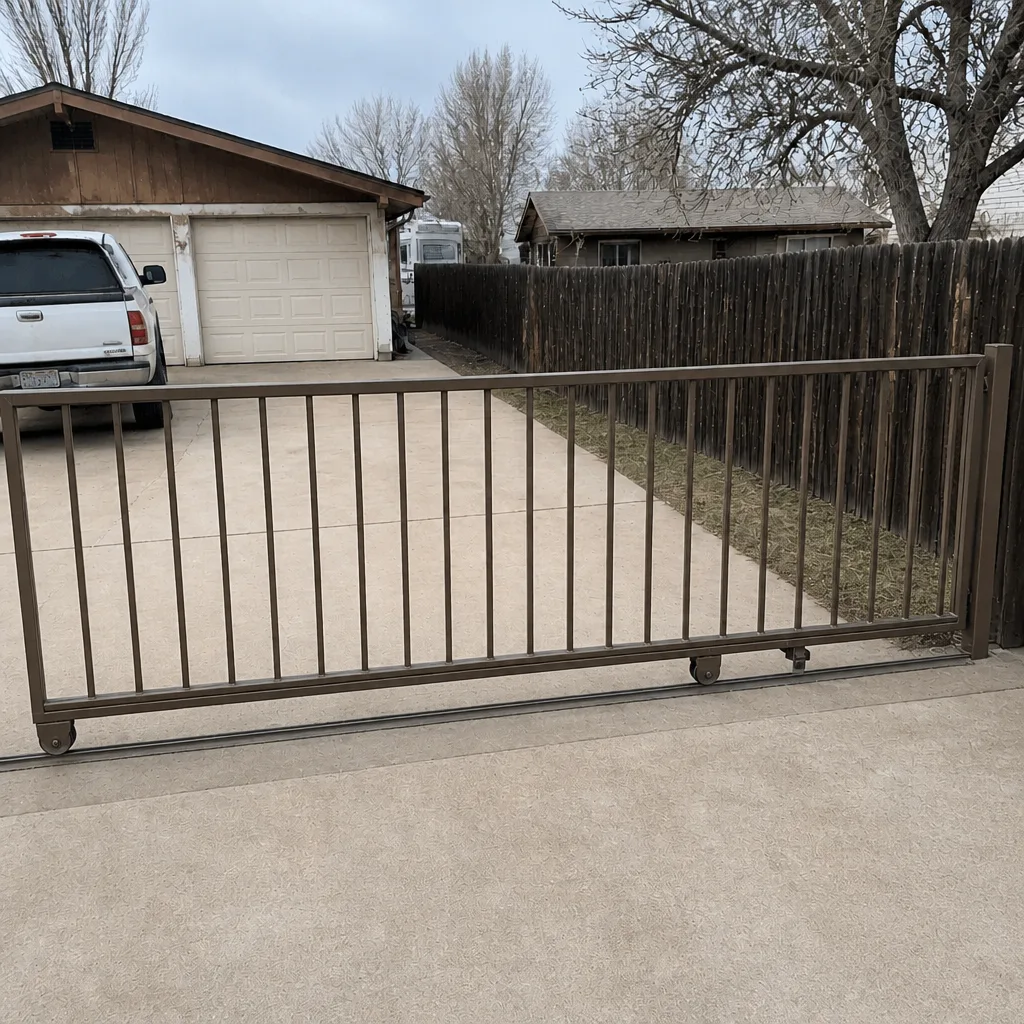
See the difference
BeforeAfter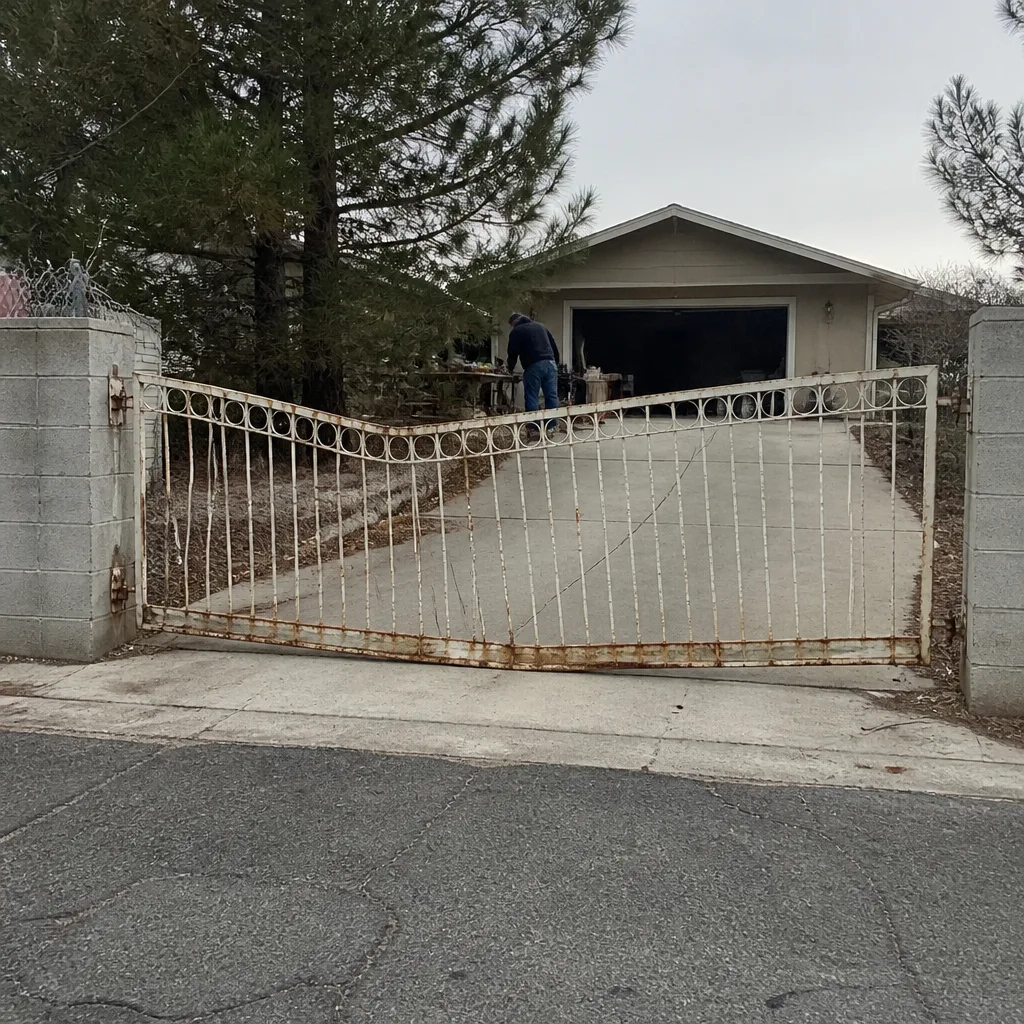 Before
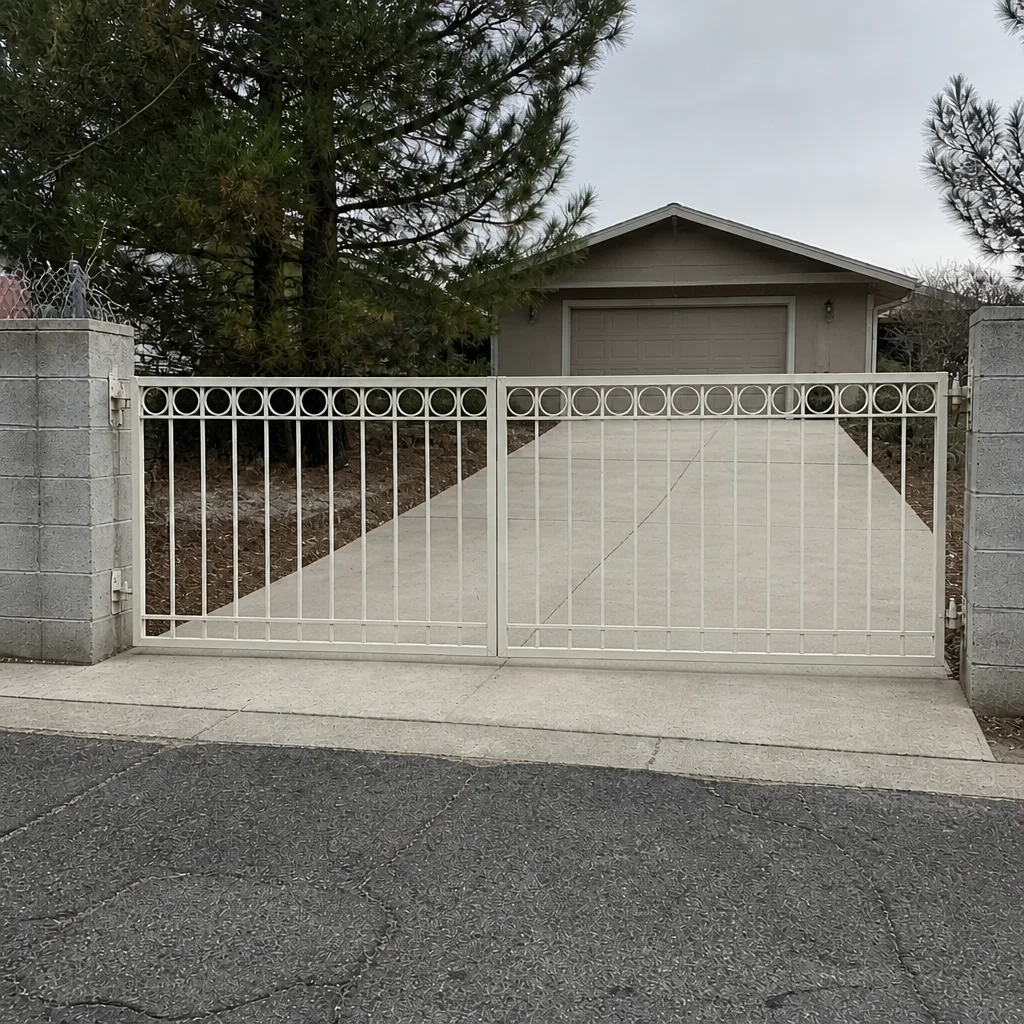 After
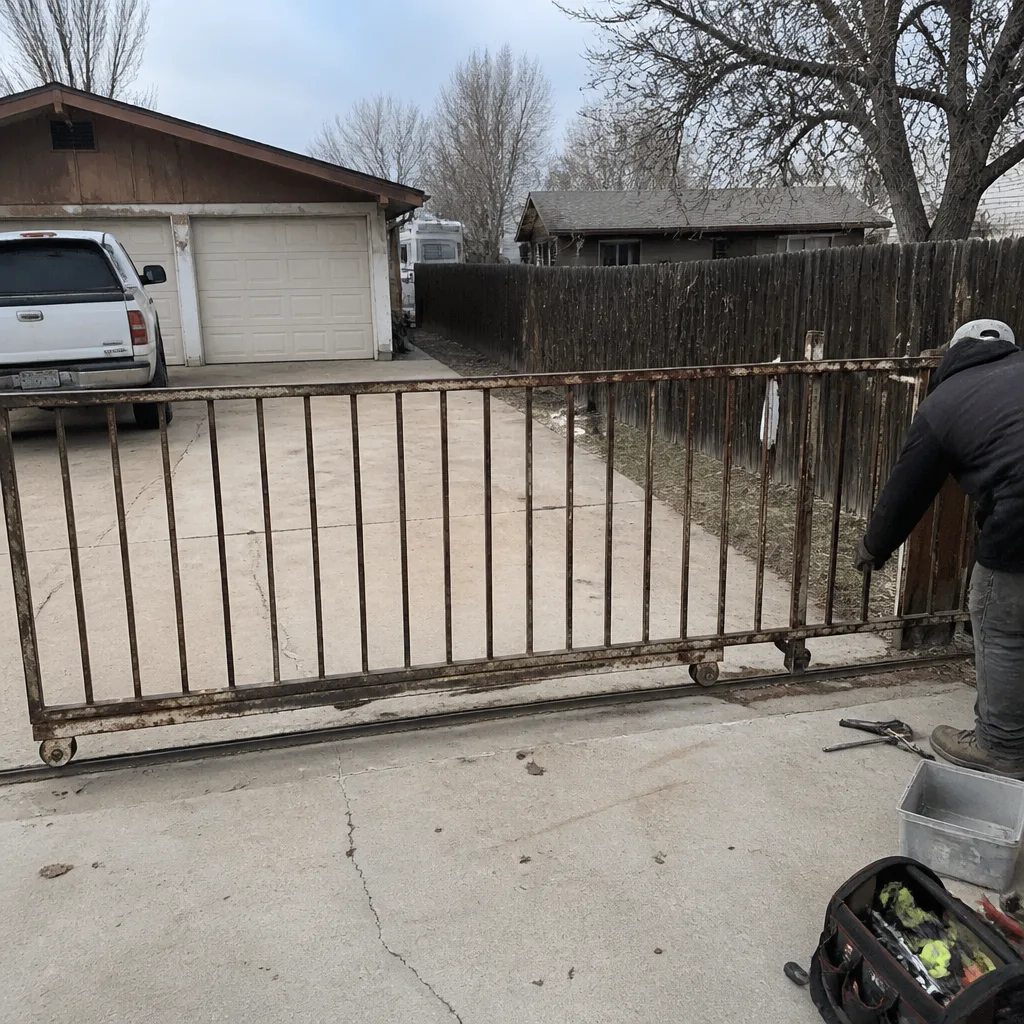 Before
 After
When to Call a Professional
Call when the job touches the transformer, the line-voltage feed, or new post footings. Call when your gate operator has failed and you’re not sure whether the replacement counts as a like-for-like swap or an electrical change. Call when an inspector has flagged gate work during a home inspection and you need documentation resolved before closing. Call when the safety devices aren’t functioning or you can’t tell whether they are. And call when you want a written scope and a photographed record before any tool is picked up, so the job has a paper trail from the start. Vance Gate Repair Winchester offers free estimates in Winchester – call (866) 983-9213. A live person answers the phone at any hour, and our technicians have up to 12 years of experience with the gate systems on Winchester properties.
Frequently Asked Questions
You need a permit when the repair involves a hardwired transformer, new electrical connections, or new post footings. A mechanical repair that touches neither the electrical feed nor the structural footing is often treated as like-for-like and doesn’t require one, but confirm the specifics with the Clark County Building Department for unincorporated Winchester. When in doubt, get the determination in writing. Call (866) 983-9213 for a free estimate and a written scope.
It can. Replacing a gate operator counts as electrical work when a new transformer or hardwired controller is involved, because the line-voltage connection and transformer fall under electrical code. Reusing an existing transformer and feed on a sound post is often a grey area. The safe step is to describe your exact setup to the AHJ and keep their answer on file.
Unincorporated Winchester is generally covered by the Clark County Building Department, not the city of Las Vegas department. Confirm your parcel’s jurisdiction on the county assessor’s map before filing, because the permit forms and inspection scheduling differ between the two. Washoe County handles its own system separately.
An inspector checks four items: the transformer and disconnect, grounding and bonding, safety devices such as photo-eyes and safety edges, and wiring method and protection. In our experience, grounding and missing safety devices cause most failures. Arriving with a wiring diagram, load calculation, and operator spec sheet often avoids a re-inspection.
Yes, in two ways. An insurer can contest a claim where unpermitted work contributed to damage or injury, and a home inspector will flag an operator with a hardwired transformer and no permit record, which can delay a sale while the buyer asks for documentation. A written record of what was installed and wired protects you in both situations.
Check with the Clark County Building Department using your parcel number; permit history is a public record. If no permit shows and the installation includes a transformer or new footings, you may need to document the work retroactively. A written scope and photographic record from a licensed contractor helps close the gap. Call (866) 983-9213 if you’d like us to review what’s on the property.
The Bottom Line
Gate permits in Nevada come down to two triggers: structural footings and the electrical side of the transformer and controller. Unincorporated Winchester answers to the Clark County Building Department, not the city, and the grey area of swapping an operator on an existing post is worth a written determination rather than a guess. Inspectors check grounding, the transformer, safety devices, and wiring protection, and the three-document package of a wiring diagram, load calculation, and spec sheet clears most inspections. Unpermitted work surfaces at claim time and at sale time, which is why a written scope and a photographed record matter. Vance Gate Repair Winchester makes that the standard on every visit.
Contact
If a gate operator job, an inspection flag, or a sale-time paperwork question has you unsure whether a permit applies, call Vance Gate Repair Winchester at (866) 983-9213 for a free estimate. We’ll walk the property, name what we find, and hand you a written scope and price before any work starts – so you know exactly what’s required and what it costs.
Written by the team at Vance Gate Repair Winchester.