
Last updated November 18, 2026
 Wrought iron
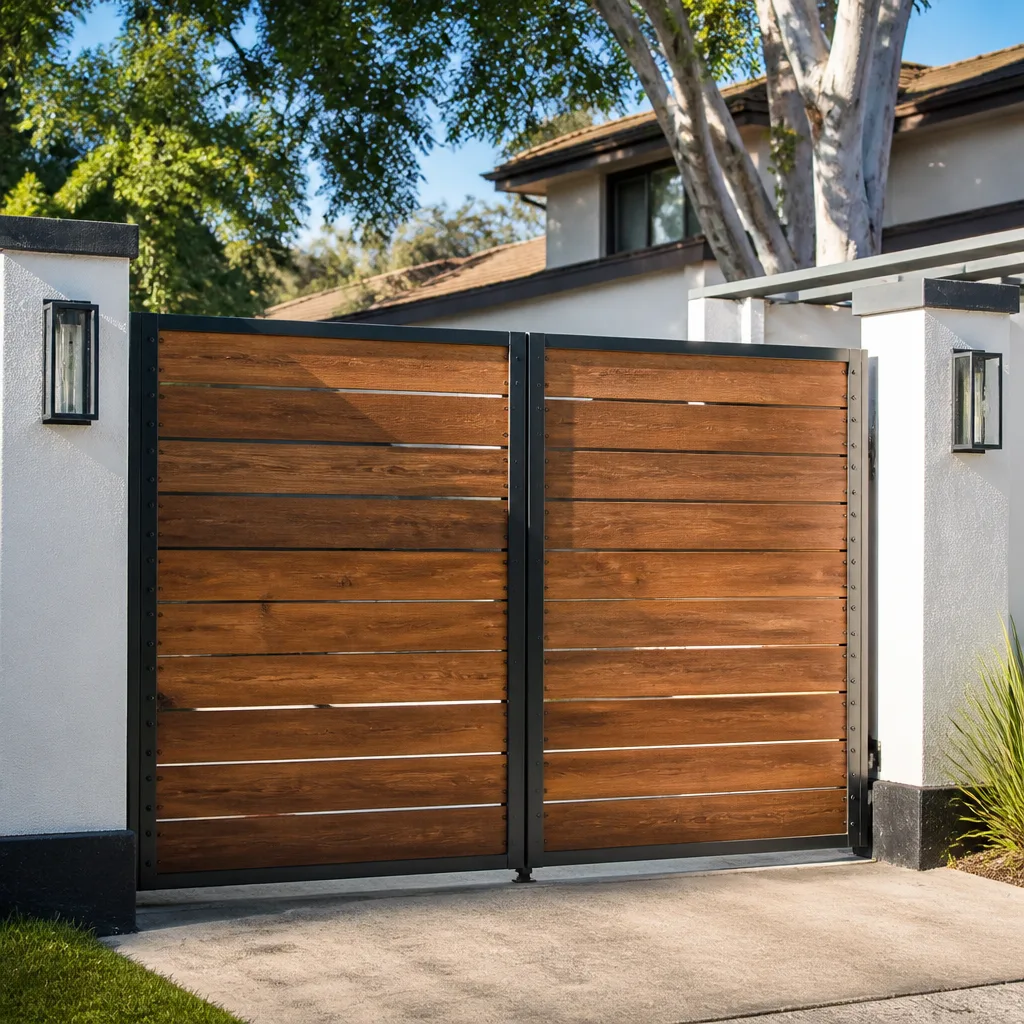 Wood & steel frame
 Farm & ranch
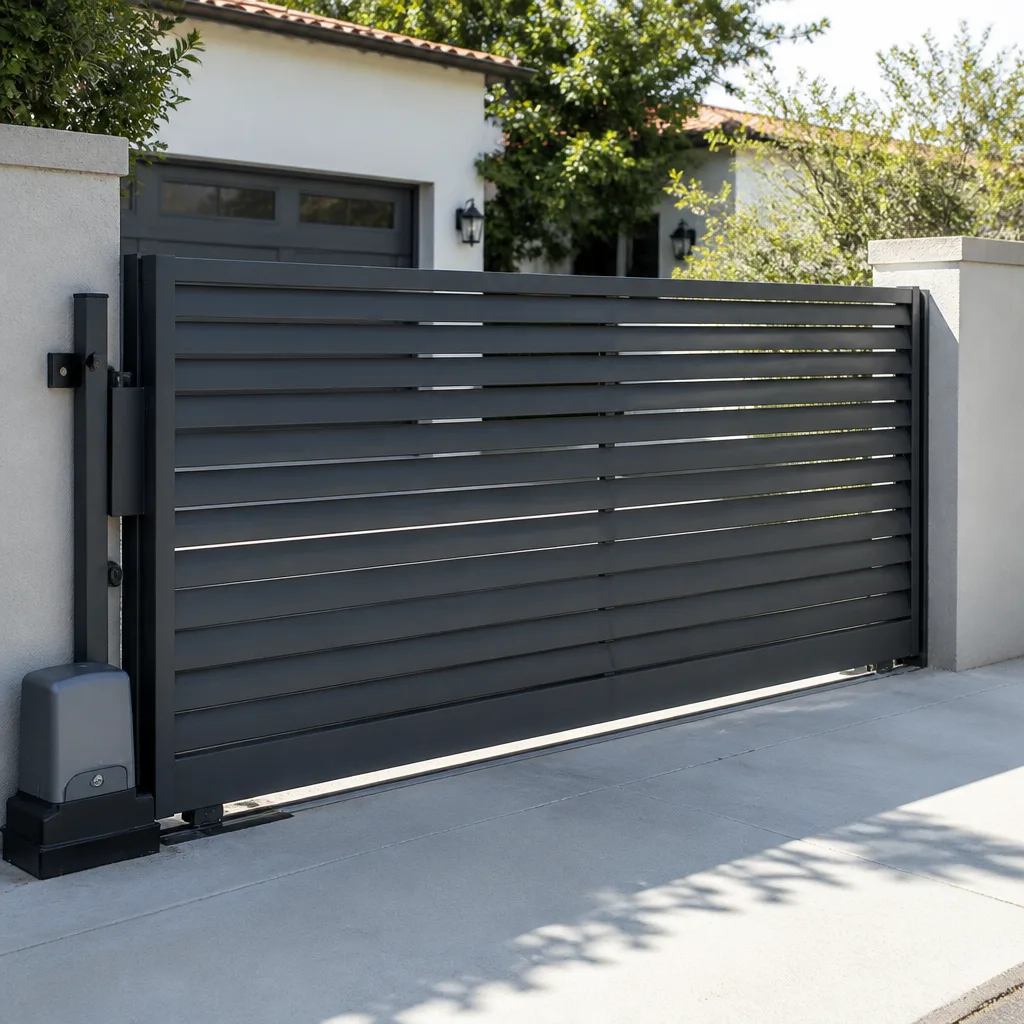 Sliding driveway gates
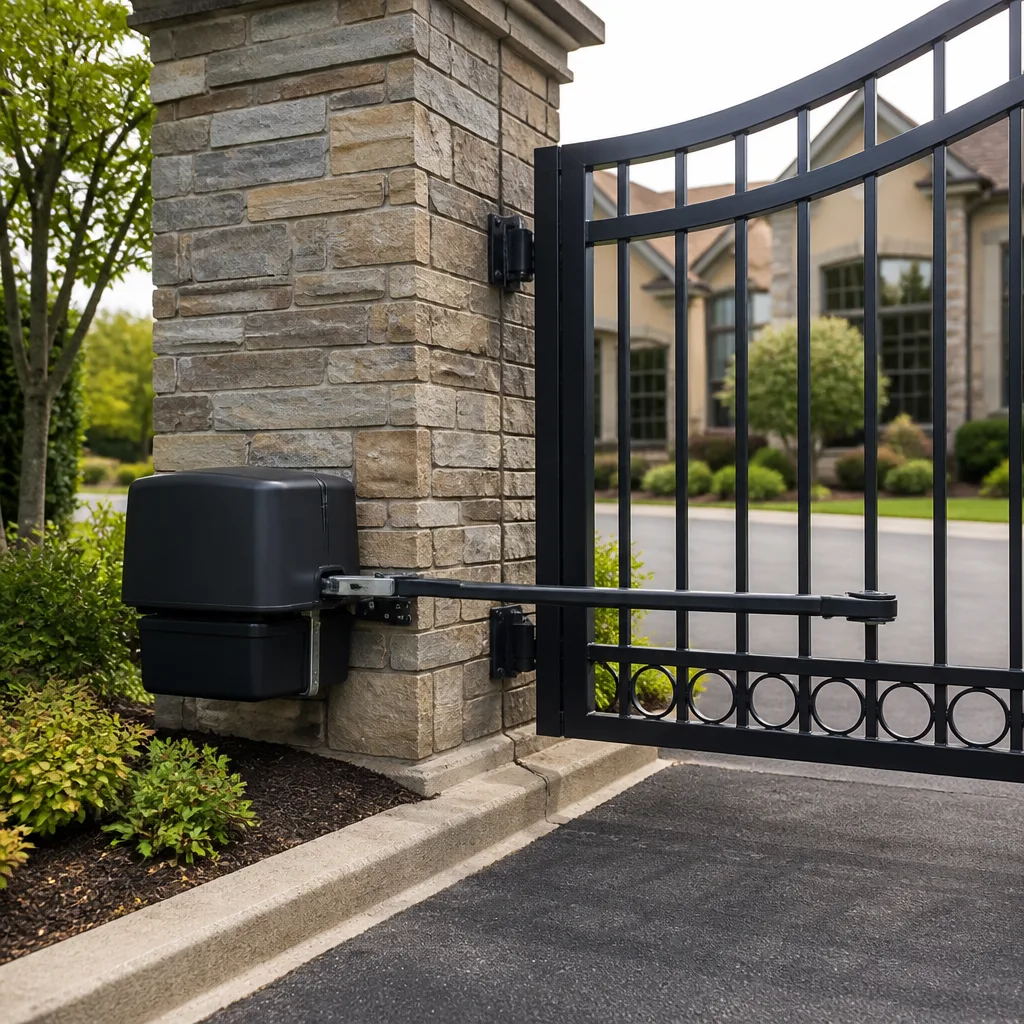 LiftMaster operators
Free on-site gate assessment - hinges, posts, and your LiftMaster or Nice gate operator checked before anything is quoted
The assessment is free and the quote is the invoice.
Get your free estimateThe Complete Guide to Gate Repair in Winchester
A gate that stops mid-travel usually isn’t a gate problem. In our experience across Winchester, it’s a wire problem, a soil problem, or a programming problem wearing a gate costume. The homeowner sees a stuck arm and assumes the motor is dead; the technician who knows what to test first often finds a voltage drop across 180 feet of driveway conduit, or a post footing lifted a half inch by caliche heave, or a limit switch that drifted after a battery swap.
Knowing which of those three is behind a failure routinely cuts a Winchester repair bill roughly in half, because you stop paying to replace a healthy motor and start paying to fix the actual cause. This guide maps every common repair category to its real-world cause, tells you what parts genuinely cost in this market, and shows you the one diagnostic you can run yourself before you call anyone. Whether you’re in the foothills or closer to the valley floor, gate repair in Winchester comes down to a short list of causes, and this page lays them out.
Quick Answer
Most gate failures in Winchester trace to three culprits: voltage drop across long driveway wire runs, alkaline caliche soil swelling and shrinking under post footings, and limit switches that drift out of position after a battery change or a power surge. Diagnosing the cause before quoting a repair is what separates a $200 fix from a $1,400 replacement, which is why a documented history of every previous visit matters as much as the technician’s tools.
Styles & brands we work with
- Wrought iron
- Wood & steel frame
- Farm & ranch
- Sliding driveway gates
- LiftMaster operators
Table of Contents
- The Three Root Causes Behind Most Winchester Gate Failures
- How Winchester’s Caliche Soil Attacks Post Footings
- Voltage Drop on Long Driveway Runs
- The Documentation Gap: Why Verbal Histories Cost You Money
- Desert Component Lifespan (Not the National Average)
- How to Read a Limit Switch Yourself
- What Gate Repair Costs in Winchester
- Common Mistakes to Avoid
- When to Call a Professional
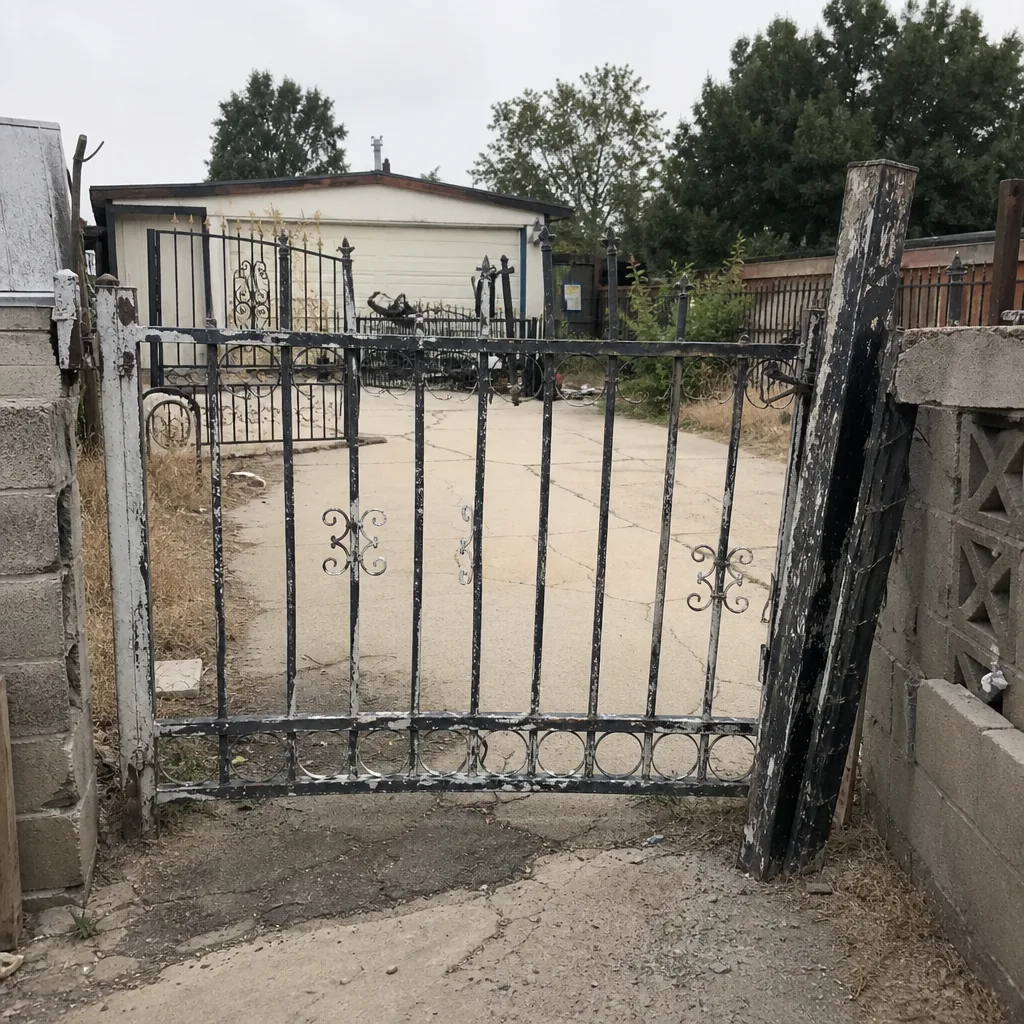 Before
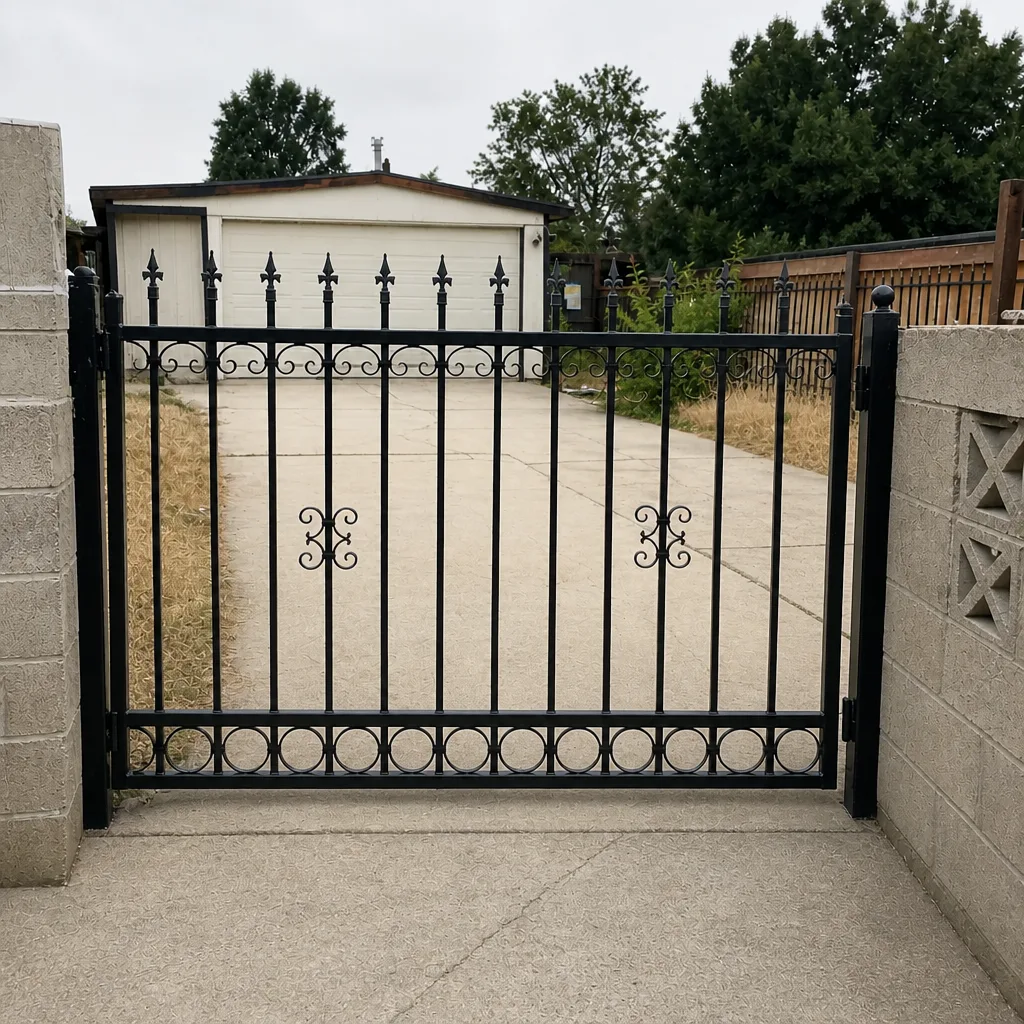 After
The Three Root Causes Behind Most Winchester Gate Failures
When a homeowner calls us because the gate won’t fully open, we’re listening for which of three failure families it belongs to. Each one presents almost identically from the driver’s seat. Each one has a completely different fix and a completely different price.
1. Wire and voltage problems. A motor needs the voltage its spec plate calls for. On a long rural lot, the run from the house panel to the operator can lose enough voltage that a perfectly healthy motor simply can’t deliver torque. The gate hesitates, stalls, or reverses. Nothing is broken; the wire is too thin or the connections have corroded.
2. Soil and footing problems. Winchester sits on caliche, an alkaline, calcium-cemented soil that behaves very differently from clay or sand under repeated wet-dry cycles. A post footing that was plumb at install can lift, tilt, or rotate a fraction of an inch, which throws the gate leaf out of plane and stresses the hinges, the operator arm, and the latch.
3. Programming and limit-switch problems. Operators, particularly BFT and Linear models, track travel distances with limit switches. A battery swap, a surge, or a manual release and reset can shift those settings. The gate then stops short, over-travels, or reverses for no visible reason.
We’ve found that pinning the cause first is the whole job. Skip that step and you’ll pay to replace a working part while the real culprit stays in place. If you want the broader repair menu, our Gate Repair in Winchester page covers each service category in detail.
How Winchester’s Caliche Soil Attacks Post Footings
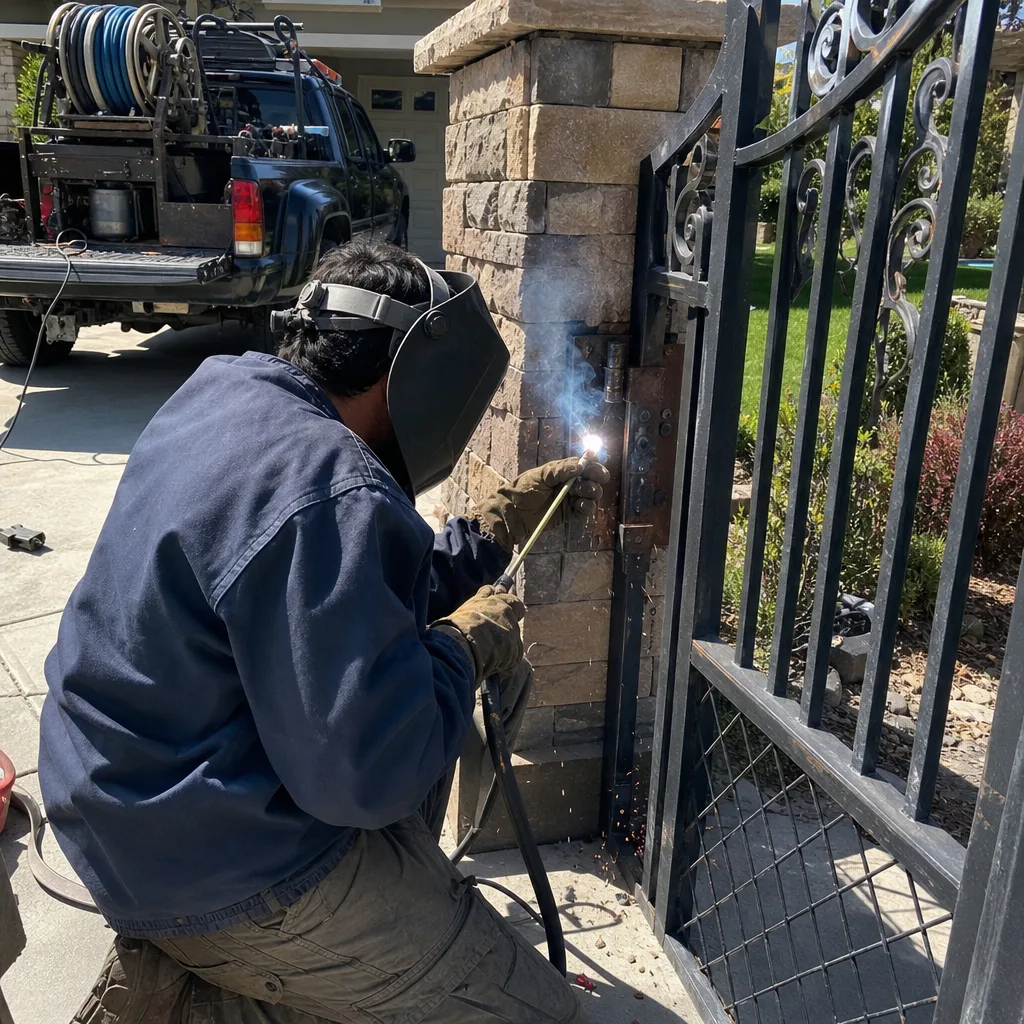
Caliche is the quiet reason swing gates and slide gates age so differently here than the national averages suggest. It’s a calcium-carbonate hardpan that forms in desert soils, and it’s alkaline. It doesn’t behave like the expansive clay of the Midwest or the loose sand of coastal areas. Instead it both cements (good for bearing) and moves with moisture (bad for plumb).
What that means in practice:
- Swing gates suffer first. A swing gate hangs its weight on two hinge posts that must stay perfectly vertical relative to each other. When caliche lifts one footing even a quarter inch, the leaf sags or drags. That drag loads the operator arm and shortens hinge life.
- Slide gates tolerate movement better. A slide gate rides a track on the ground, so small footing shifts matter less. But the track itself becomes the vulnerable part: caliche heave under the track bed can cause the gate to bind or derail.
- Alkaline soil accelerates steel corrosion. Posts, hinges, and the steel base plates on operators corrode faster in alkaline, high-UV conditions. Powder-coated hardware lasts noticeably longer than bare steel here.
- Watering matters. Landscape irrigation aimed at the footing line can swell caliche unpredictably. Moving a sprinkler head two feet away from a hinge post is sometimes the cheapest repair a homeowner can make.
In our experience, footing problems are the most-missed cause because they look like operator failures. A technician who only tests the motor will quote a motor replacement. A technician who checks post plumb will find the truth. When a gate needs re-hanging or a fresh install on corrected footings, our Gate Installation in Winchester page lays out what a proper footing and alignment job involves.
Voltage Drop on Long Driveway Runs
This is the cause that fools nearly everyone. An operator rated for a 20-foot gate on a standard run can fail on a Winchester property with a 250-foot driveway if the wire gauge wasn’t upsized to compensate. The motor isn’t broken. It’s starved. But it presents as a weak or dying motor, so the instinct is to replace it.
The math is simple enough to appreciate without doing it yourself: every foot of wire has resistance, and the longer and thinner the wire, the more voltage is lost before it reaches the operator. Add corroded connections, a tired transformer, or a splice buried in conduit, and the operator sees far less than its rated voltage. The gate hesitates at the heavy part of travel, stalls, or trips its safety reverse.
What we check on a call like this:
- Measure voltage at the house panel, then at the operator terminals, and compare. A meaningful gap points to the wire run.
- Inspect every accessible connection and splice for corrosion, especially in alkaline desert conditions.
- Confirm the transformer output matches the operator spec.
- Check the operator’s own low-voltage control wiring, which is a separate circuit from the power feed.
The fix is often upsizing the wire or replacing a failed transformer, not buying a motor. That’s the kind of finding that shows up on the written quote before any work starts. For the full operator and automation picture, see our Gate Motor & Opener in Winchester page. If your motor is a Viking or Ghost Controls unit that’s been blamed for a wire problem, this is exactly the call to make.
The Documentation Gap: Why Verbal Histories Cost You Money
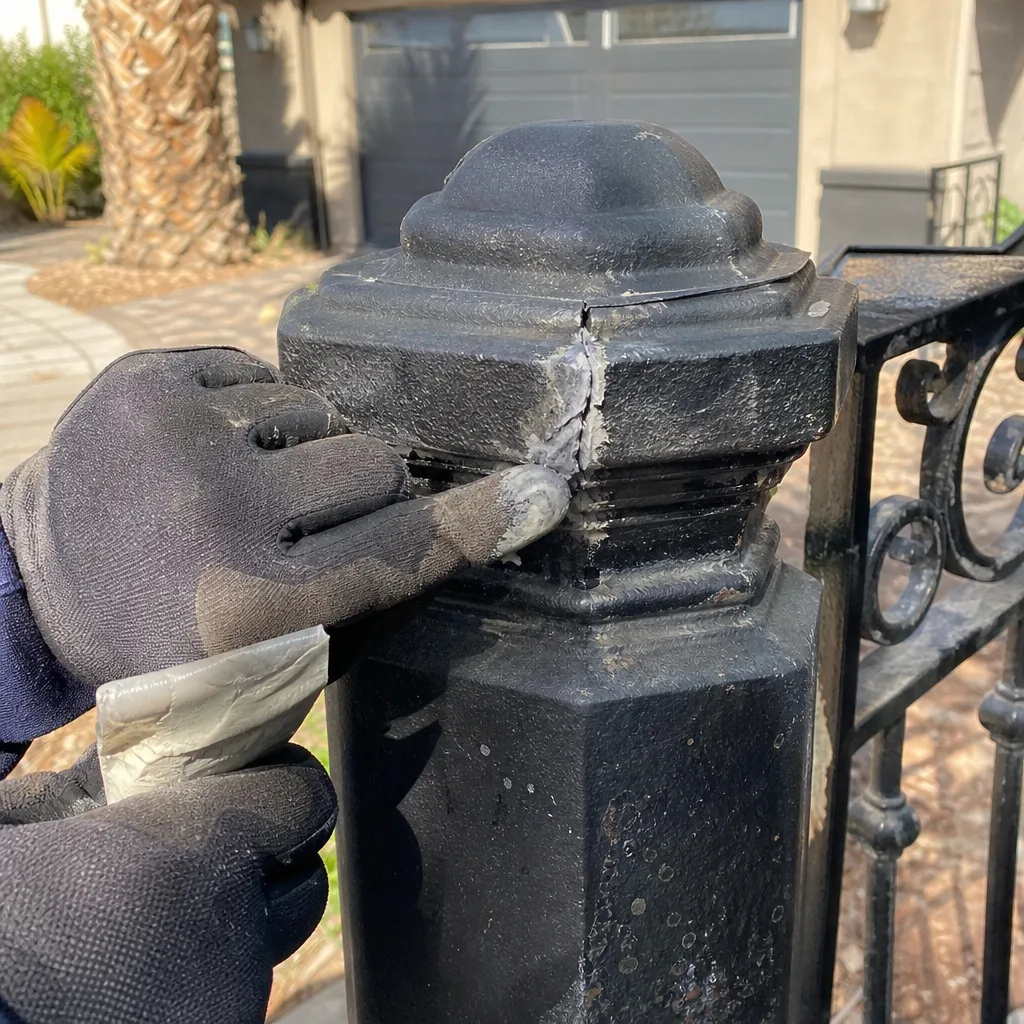
Here’s a problem no one advertises and every homeowner eventually feels. Most gate repairs are handed down verbally, or not at all. The second technician arrives with no idea what the first one adjusted, what part was installed, or which wire went where. That technician starts from zero, re-diagnoses from scratch, and you pay for work that was already done.
What a wiring diagram actually prevents is straightforward. It shows which terminal feeds which function, so a future tech doesn’t guess at a splice. A photo of the limit-switch reading records where travel was set, so a battery swap doesn’t erase that knowledge. A record of the exact part number means a warranty replacement or matching part is a phone call, not a second diagnostic visit.
This is the habit our technicians carried over from commercial access-control work, where a missing diagram can mean a locked gate at a job site. On residential gates it means something simpler and just as valuable: the next visit starts with answers instead of questions. Under the Haven Standard, every visit leaves a photographed record of what was found, what was adjusted, and what was installed, and you get a copy of it before we leave. You can read more about how we work on our Vance Gate Repair Winchester home page.
Desert Component Lifespan (Not the National Average)
National lifespan averages are written for moderate climates with regular humidity. Winchester is the opposite: high UV, low humidity, alkaline soil, and wide day-night temperature swings. Parts age on a different clock here, and planning around the national average leads to surprises. Below are the ranges we’ve come to expect on Winchester gates.
- Operator control boards: 6-10 years. Heat is the enemy; a shaded operator housing lasts toward the top of that range, full sun toward the bottom.
- Sealed lead-acid backup batteries: 2-3 years. Extreme heat kills these early, so expect the shorter end and replace proactively.
- Photo-eyes (the infrared safety beam that stops the gate if something crosses the path): 4-7 years before lens clouding or moisture intrusion causes nuisance trips.
- Hinges and hardware: 8-12 years for powder-coated steel; bare steel corrodes much faster in alkaline conditions.
- Operator arms and gears: 8-12 years, with the lower end on heavier gates or misaligned posts that add load.
- Limit switches: These don’t wear on a schedule so much as drift after battery changes, surges, or manual resets. They’re the most common false alarm in the whole system.
The pattern to remember: heat and UV age electronics and batteries on the short end, alkaline soil stresses steel hardware on the long end, and misalignment shortens everything in the middle. A documented record lets a tech catch a part near the end of its range before it fails in the middle of a gate cycle.
How to Read a Limit Switch Yourself
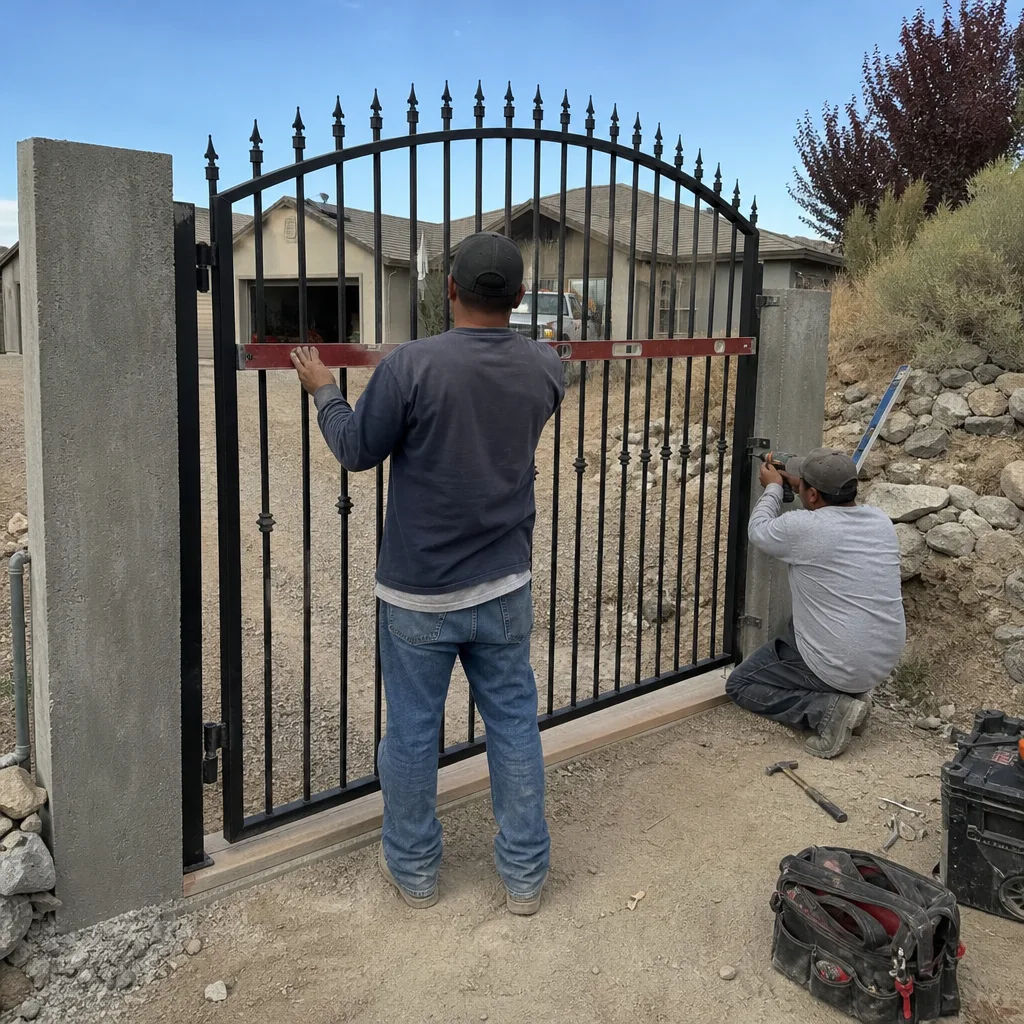
This one diagnostic eliminates about half of the service calls we field in Winchester, and you can check it in a few minutes without touching anything dangerous. A limit switch is the component that tells the operator where the gate’s open and closed positions are. When it drifts, everything downstream looks broken.
Here’s how to read it safely:
- Stop before anything mechanical. Turn the operator off at its disconnect or breaker. Never reach into the operator housing or the gate’s travel path while it has power.
- Locate the limit cams. On most swing and slide operators, these are small adjustable wheels or plates near the motor assembly, marked for open and closed travel.
- Look, don’t adjust. Note whether each cam sits where the operator manual says it should. If a cam appears to have moved after a battery swap or a power surge, that’s your likely culprit.
- Note the readings. If your operator displays a travel or position reading, photograph it before anything changes. That photo is worth more to the next technician than any description you can give over the phone.
- Restore power and listen. If the gate now stops short or reverses, the limit setting is off. This is a programming fix, not a hardware replacement.
We won’t walk homeowners through adjusting the cams themselves, because a wrong setting can make a gate reverse into a person or a vehicle. That’s a job for a trained technician. But reading the switch and photographing it lets you tell anyone you call exactly what you’re seeing, which is the difference between a fast fix and an expensive guess.
What Gate Repair Costs in Winchester
Below are the ranges we quote for common Winchester repairs. Actual pricing depends on the operator brand, the gate weight, and whether the cause turns out to be wiring, soil, or programming. The flat price is written and handed to you before any work starts, so the number you agree to is the number you pay.
- Limit-switch reset or programming: $120-$220. Usually the cheapest possible fix.
- Photo-eye misalignment or replacement: $120-$260, depending on whether the lens or the wiring is at fault.
- Backup battery replacement: $140-$280, depending on battery type and operator model.
- Voltage-drop diagnosis and wire/transformer repair: $200-$550. Cost scales with run length and whether conduit needs rework.
- Post re-alignment or footing correction: $350-$900, since this involves digging, concrete, and re-hanging the gate.
- Operator arm or gear replacement: $400-$1,200, higher on heavier gates or premium brands like BFT and Viking.
- Full operator replacement (when repair won’t do): $900-$2,400 installed, brand and features dependent.
Two things to keep in mind. First, the diagnostic step is what protects the rest of your budget: a $200 voltage check that saves a $1,200 motor replacement pays for itself. Second, every completed repair carries our 365-Day Done Right Promise, so if a fix isn’t right, we make it right at no additional charge within that year. If you’ve already got a written estimate from another company, we’ll review it at no cost as a second opinion. Call (866) 983-9213 to talk it through.
Common Mistakes to Avoid
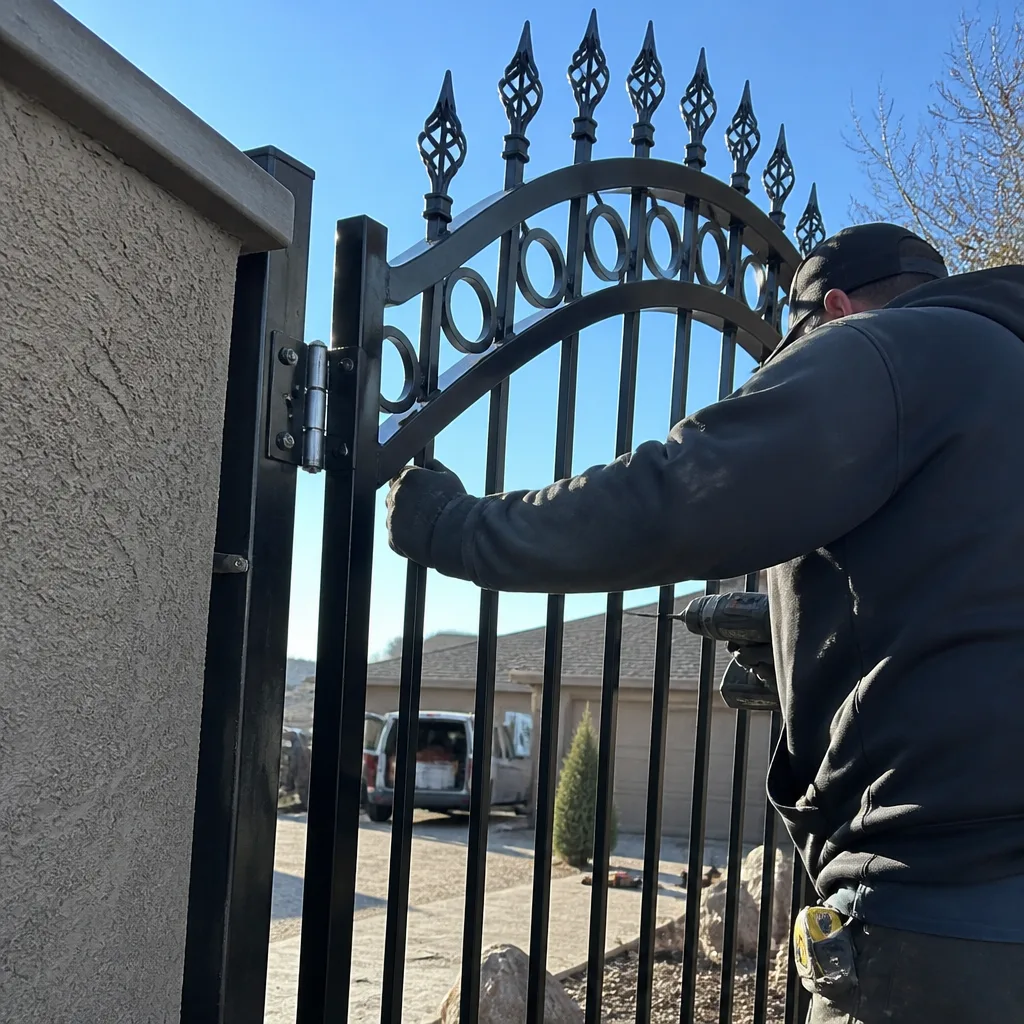
- Replacing the motor before checking the wire. A dead-looking motor is often a voltage-starved one. Test the wire run and transformer first, or you’ll pay to replace a healthy operator.
- Ignoring post plumb after a gate starts dragging. In Winchester’s caliche, a quarter-inch footing shift can stress everything above it. Chasing the symptom in the operator instead of fixing the footing is money wasted.
- Skipping the limit-switch check after a battery swap. This is the single most common preventable service call we see. Snap a photo of the reading before touching anything.
- Trusting a verbal repair history. If the last tech didn’t leave a diagram or a part number, the next tech starts from zero and you pay for the re-diagnosis.
- Letting an operator bake in full sun. A shaded housing can add years to a control board’s life in Winchester’s UV. If you’re installing or replacing, consider the placement.
- Watering right at the footing line. Irrigation aimed at a hinge post swells caliche unpredictably. Move the head a couple of feet away and you may fully prevent the next footing problem.
- Adjusting limit cams yourself. A wrong setting can make a gate reverse into a person or a vehicle. Read and photograph, then let a technician set the cams.
See the difference
BeforeAfter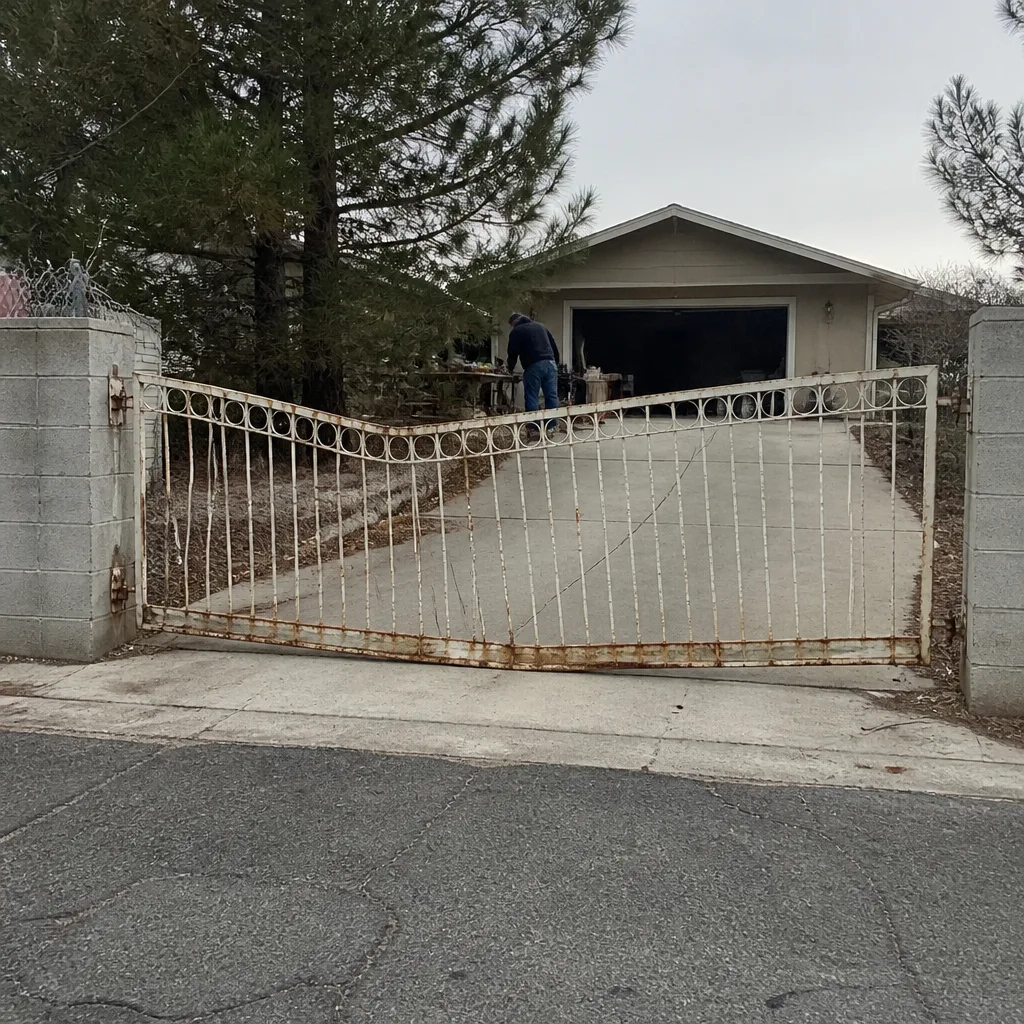 Before
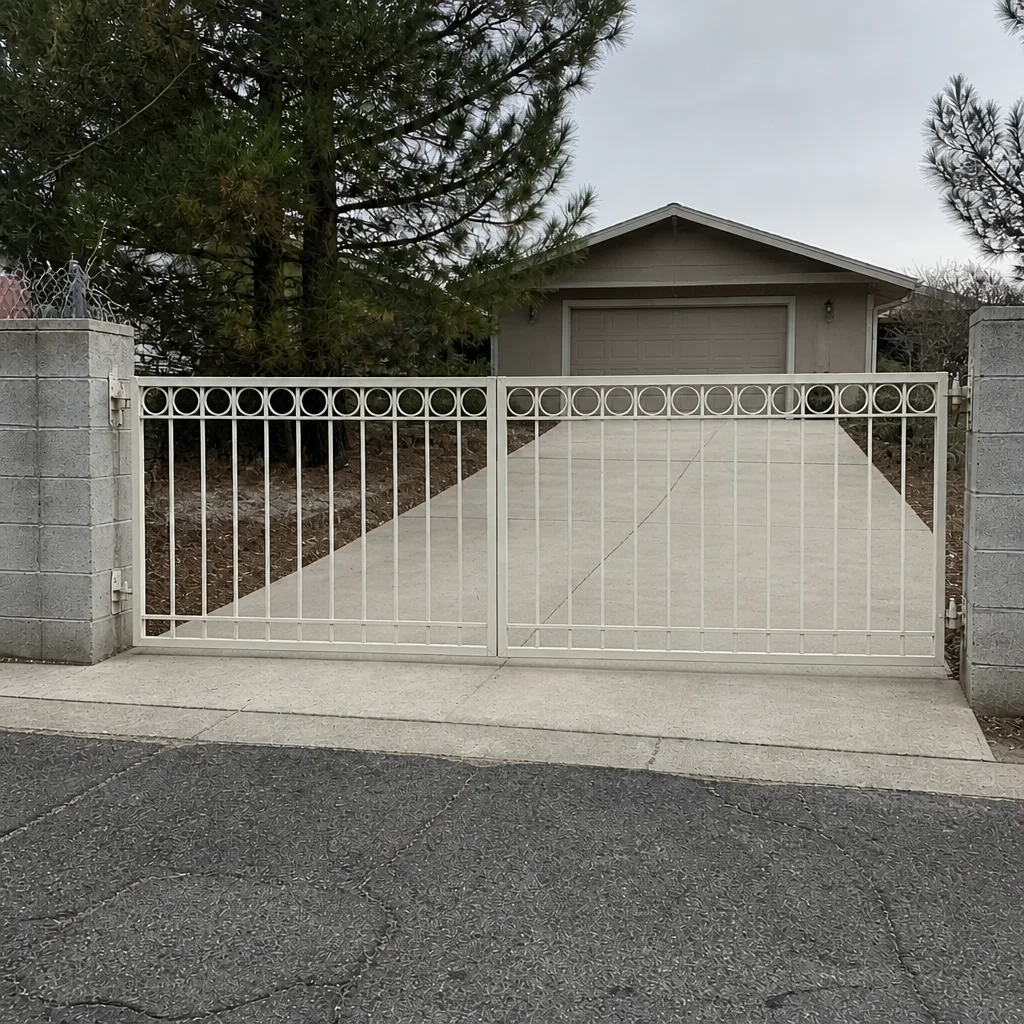 After
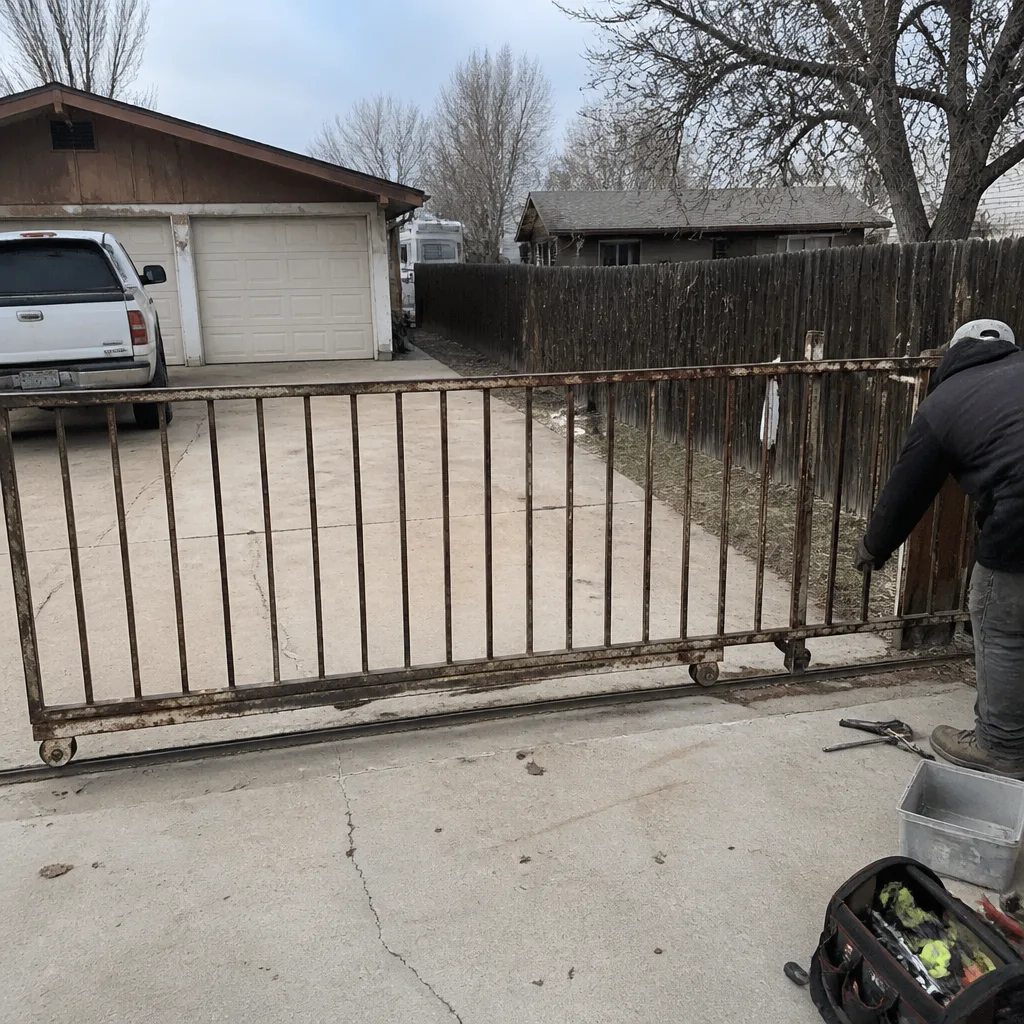 Before
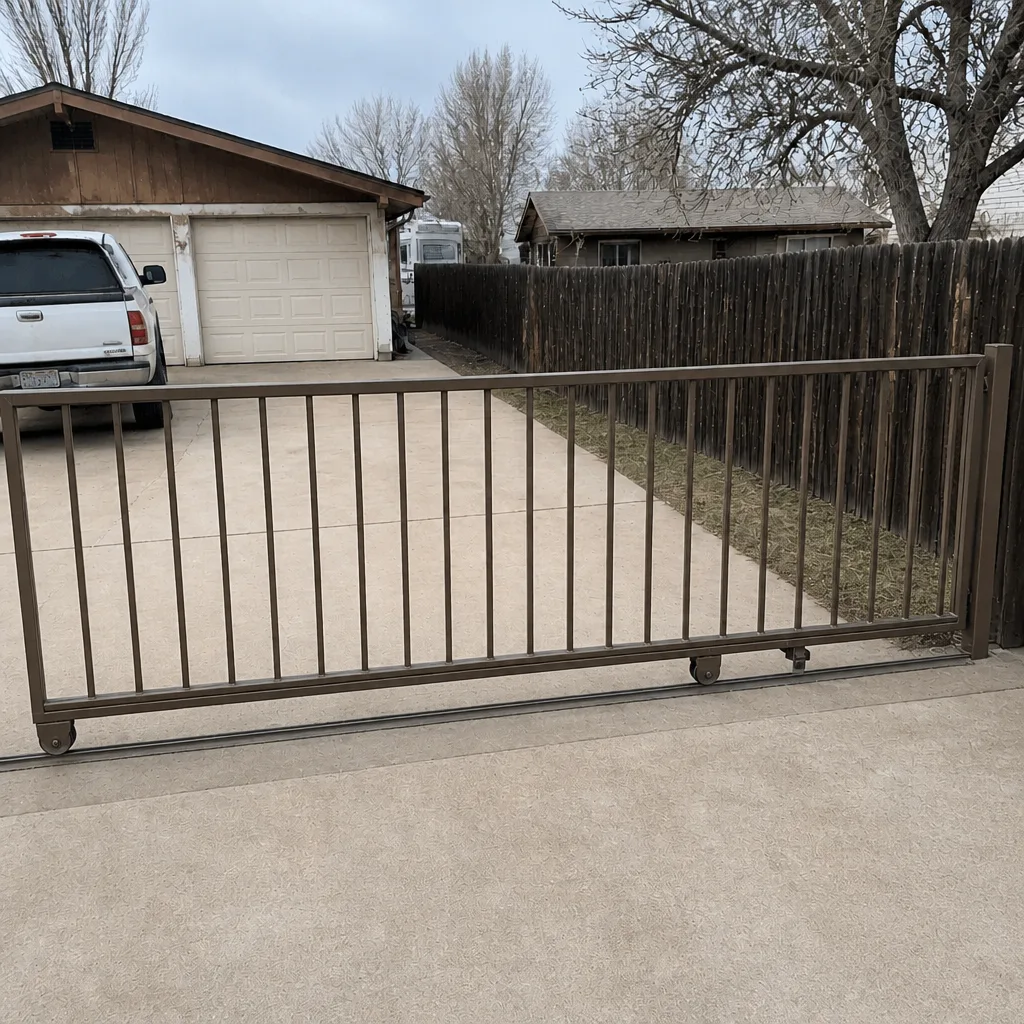 After
When to Call a Professional
Some things are worth checking yourself: a limit-switch reading, a photo-eye that looks physically knocked out of line, a battery that’s older than its expected life. Call a technician, though, when the gate hesitates or reverses for no obvious reason (likely voltage), when a post leans or the gate drags (likely caliche), when the operator trips a breaker, or when anything in the high-voltage feed looks damaged or hot. Gate operators combine stored mechanical energy with mains power, and the gate itself is heavy enough to injure. That’s not a job for a homeowner with a wrench.
Vance Gate Repair Winchester offers free estimates in Winchester. Our technicians have up to 12 years of experience, service nine major automation brands, and leave a written price and a documented photo record on every visit. Call (866) 983-9213 to get started.
Frequently Asked Questions
Most Winchester gate repairs run between $120 and $900, with the final number depending on whether the cause is programming, wiring, or a footing problem. Simple fixes like a limit-switch reset sit near $120-$220, while footing correction and operator-arm replacement climb higher. Call (866) 983-9213 for an exact quote (estimates are free), and you’ll get the price in writing before any work begins.
A gate that stops halfway and reverses is almost always hitting a safety signal or a limit-switch setting, not failing mechanically. The photo-eye beam may be misaligned, or the limit cams may have drifted after a battery swap or power surge. Check that the photo-eye lenses are clean and facing each other, then photograph any travel reading before calling; that detail speeds up the diagnosis.
Winchester sits on caliche, an alkaline calcium-cemented soil that swells and shrinks with moisture differently than clay or sand. That movement can lift or tilt a post footing by a fraction of an inch, which throws a swing gate out of alignment and loads the operator arm. Slide gates handle it better, but their ground tracks can heave. Keeping irrigation away from the footing line is the cheapest prevention.
Yes. On long driveway runs common in Winchester, undersized or corroded wire can starve a healthy operator of voltage, and the gate behaves exactly like a dying motor. We measure voltage at the panel and at the operator terminals to compare, which tells us whether the wire or the motor is at fault. That check alone often saves the cost of an unnecessary replacement.
You should get a written record of what was found, what was adjusted, and the exact part number installed, ideally with photos of any wiring or limit-switch settings. That record is what keeps the next technician from starting from zero. Under the Haven Standard, every Vance visit includes a documented photo record at no additional charge, and you keep a copy.
We service nine major automation brands, including BFT, Linear, Viking, and Ghost Controls, so we can work on whatever motor is already on your property. We repair first wherever repair is the right call rather than steering you toward replacement. Call (866) 983-9213 to confirm your model.
The Bottom Line
Most Winchester gate failures come down to three causes: voltage drop on long driveway runs, caliche soil moving post footings, and limit switches that drift after a battery swap. Pin the cause first and you halve the repair bill. Check the limit switch yourself, keep irrigation off the footing line, and insist on documentation so the next technician isn’t guessing. Every repair we complete gets a written price before work starts, a photographed record when we leave, and our 365-Day Done Right Promise behind it. That’s what turns a repeated problem into a solved one.
Ready to stop paying for symptoms? Call Vance Gate Repair Winchester at (866) 983-9213 for a free estimate. A live person answers the phone day or night, and you’ll have the price in writing before anyone picks up a tool.
Written by the team at Vance Gate Repair Winchester.