
Last updated November 18, 2026
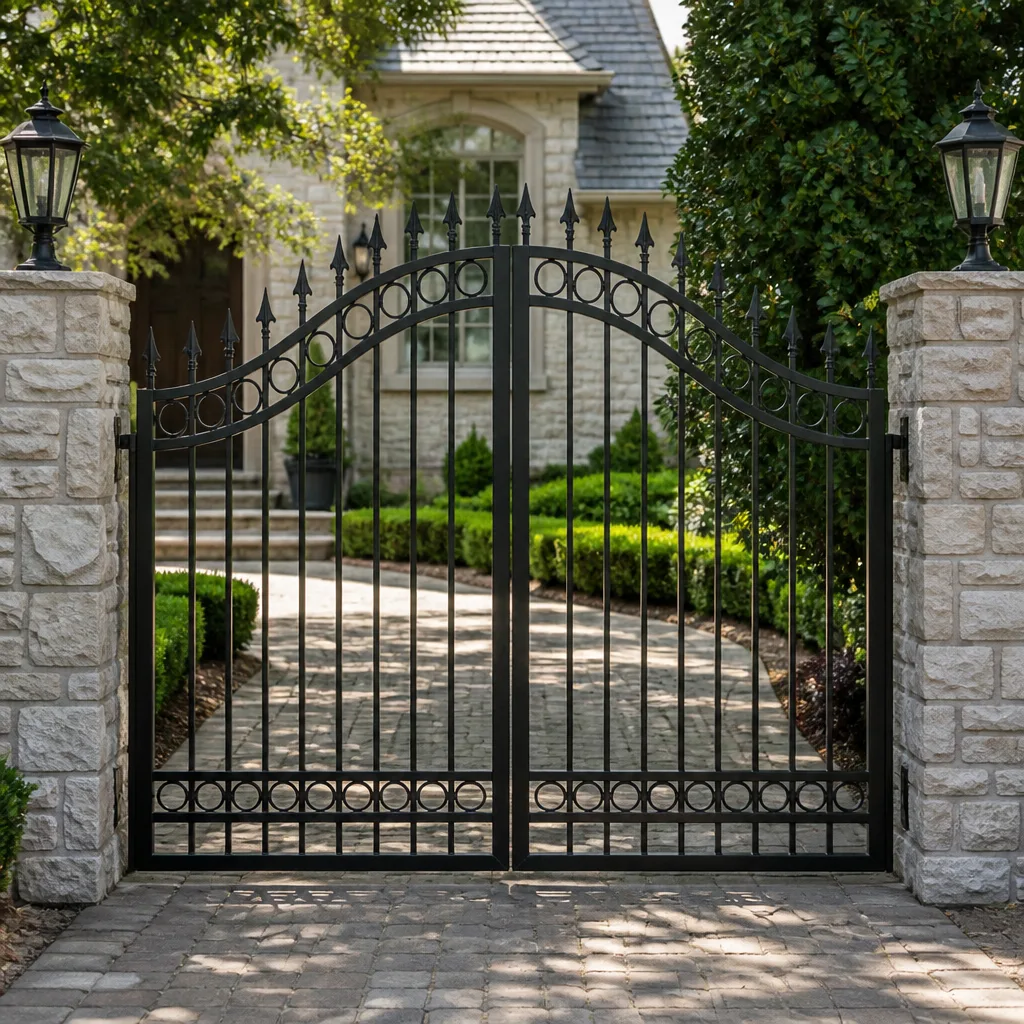 Wrought iron
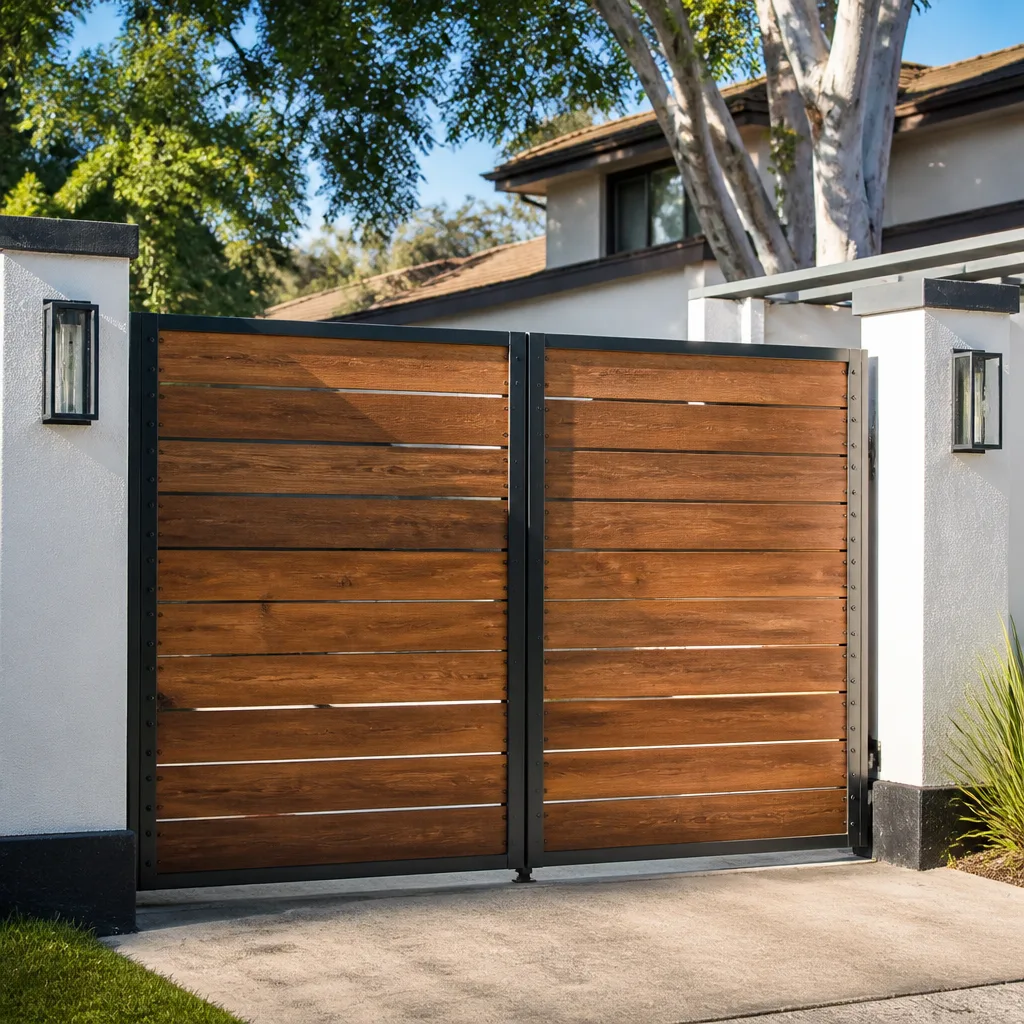 Wood & steel frame
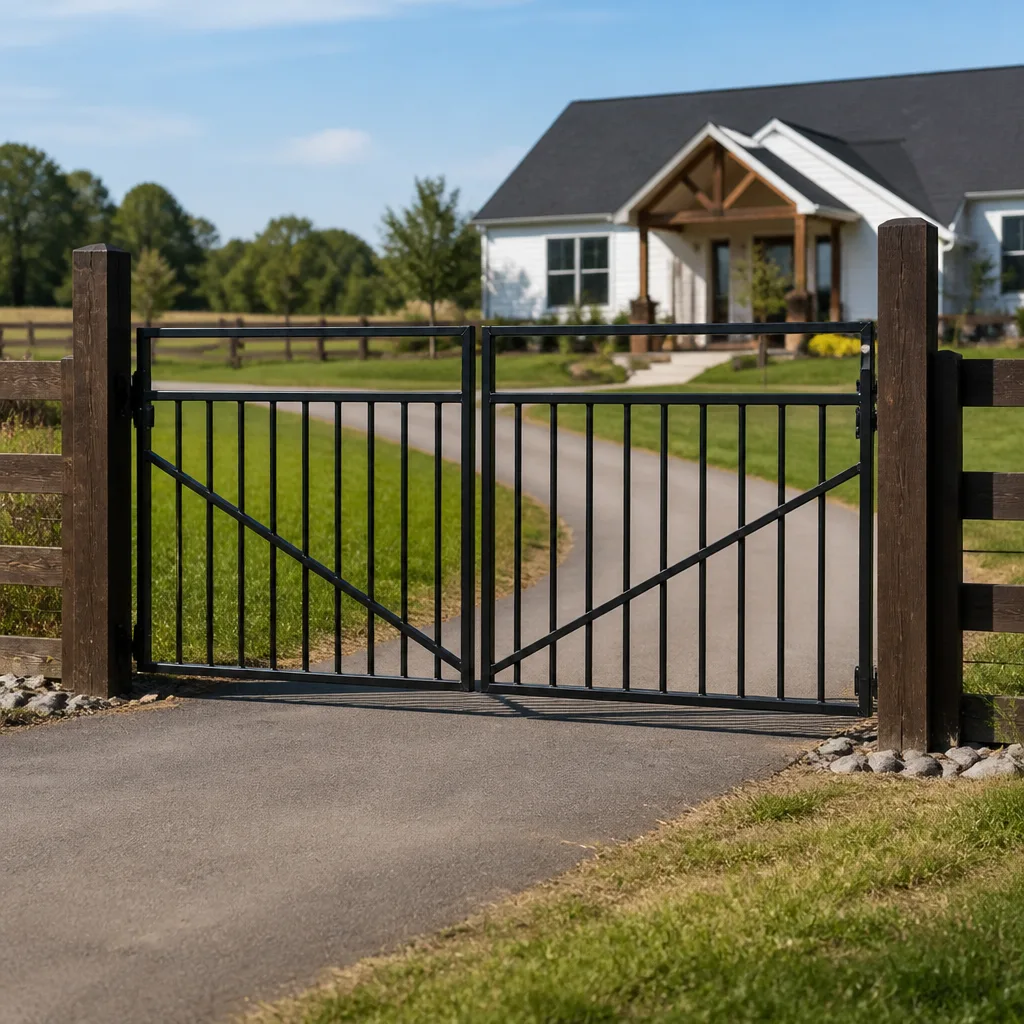 Farm & ranch
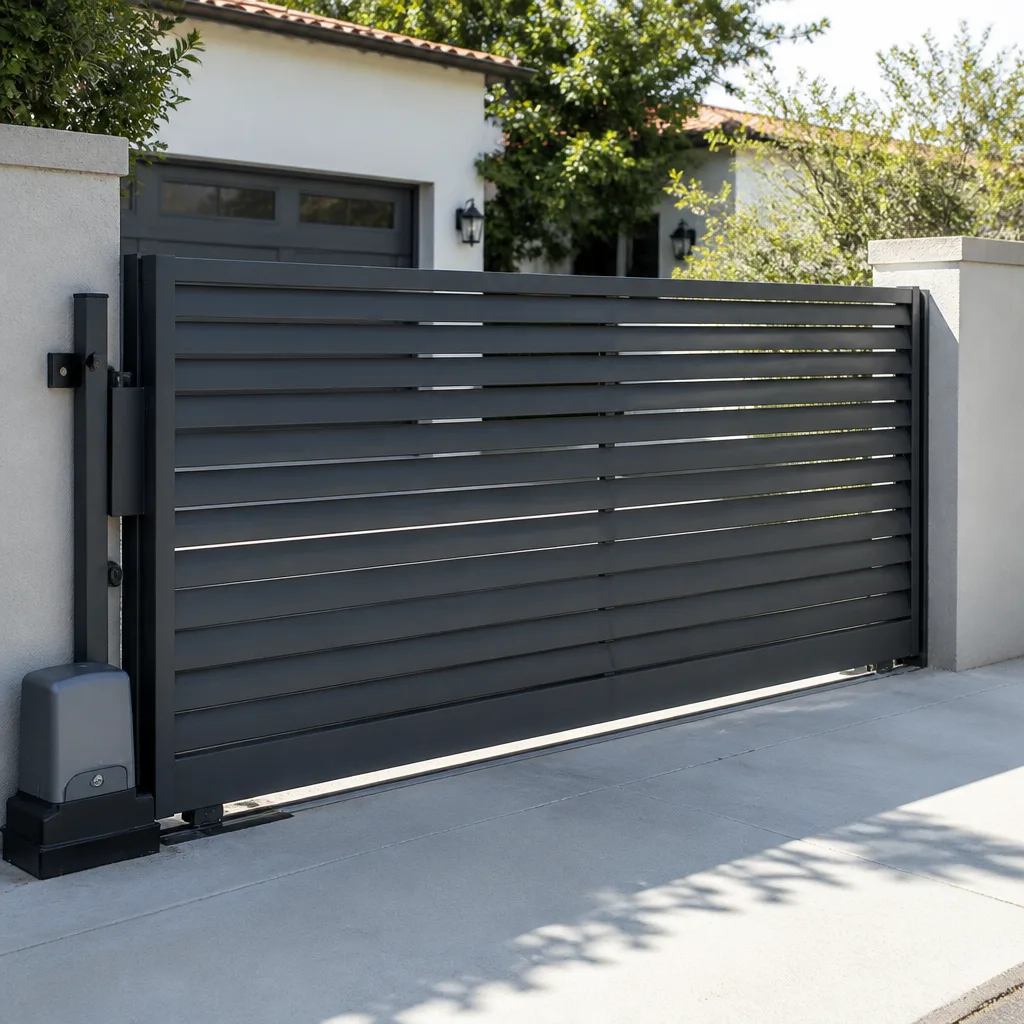 Sliding driveway gates
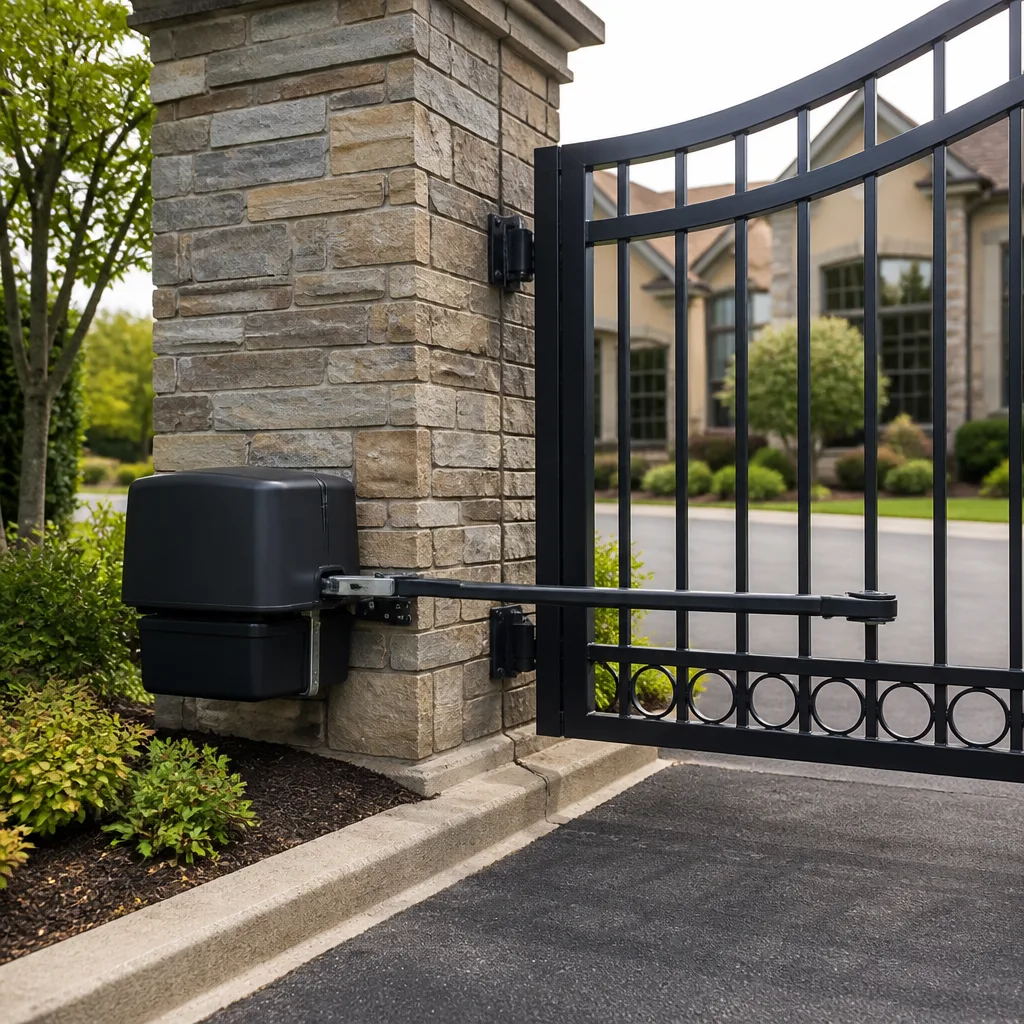 LiftMaster operators
Free on-site gate assessment - hinges, posts, and your LiftMaster or Nice gate operator checked before anything is quoted
The assessment is free and the quote is the invoice.
Get your free estimateGate Repair Emergency Preparedness Guide for Winchester Homes
A gate stuck in the open position at 11pm is a security event, not a repair event. The first call usually isn’t to a gate company at all. It’s to whoever can physically secure the property while you wait for a technician to arrive. Most Winchester homeowners work this out in real time, standing in a driveway in the dark, phone in one hand and a flashlight in the other. We’d rather you had a plan before that moment.
This guide covers the two failure modes every gate eventually produces – stuck open and stuck closed – and gives you a distinct response sequence for each. You’ll get the manual release procedure for the most common operators installed in Winchester, the diagnostic checks that tell you whether the problem is power, operator, or mechanical, and a short list of documentation to keep on hand so an emergency call moves fast instead of turning into a guessing game.
Quick Answer
Every gate emergency in Winchester falls into one of two categories: gate stuck open (a security problem you fix physically first, then call for repair) or gate stuck closed (an access problem you diagnose for power, operator, or mechanical failure before calling anyone). Your operator model number, wiring photo, and last service date stored in one place cut emergency response time significantly. Call (866) 983-9213 when the gate won’t secure or won’t open – estimates are free and a live person answers any hour.
Styles & brands we work with
- Wrought iron
- Wood & steel frame
- Farm & ranch
- Sliding driveway gates
- LiftMaster operators
Table of Contents
- The Two Failure Modes: Stuck Open vs. Stuck Closed
- Stuck-Open Response Sequence: Secure First, Diagnose Later
- Stuck-Closed Response Sequence: Power, Operator, or Mechanical
- Manual Release for the Five Most Common Winchester Operators
- What to Tell an Emergency Dispatcher
- The Pre-Failure Documentation That Makes Every Emergency Faster
- Winchester Conditions That Trigger Gate Failures
- The Quarterly Check That Prevents Most Midnight Calls
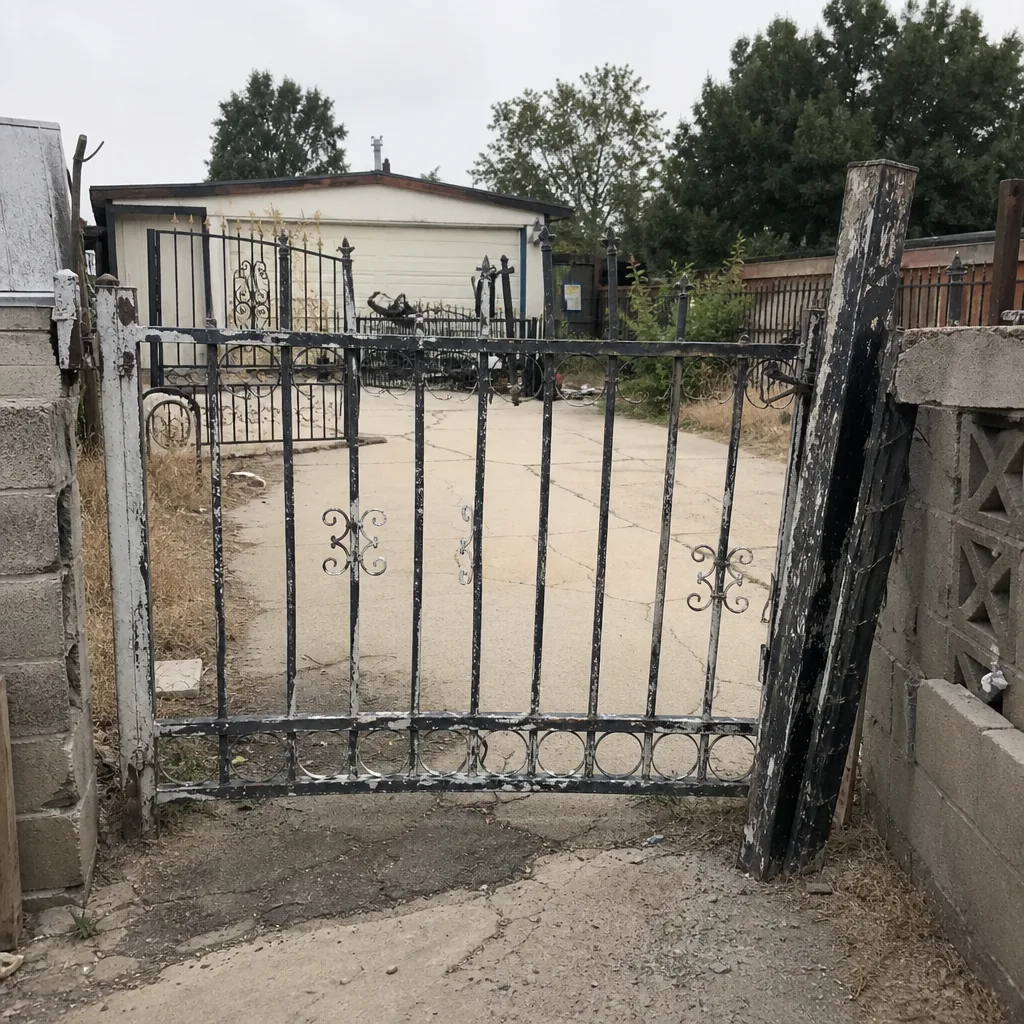 Before
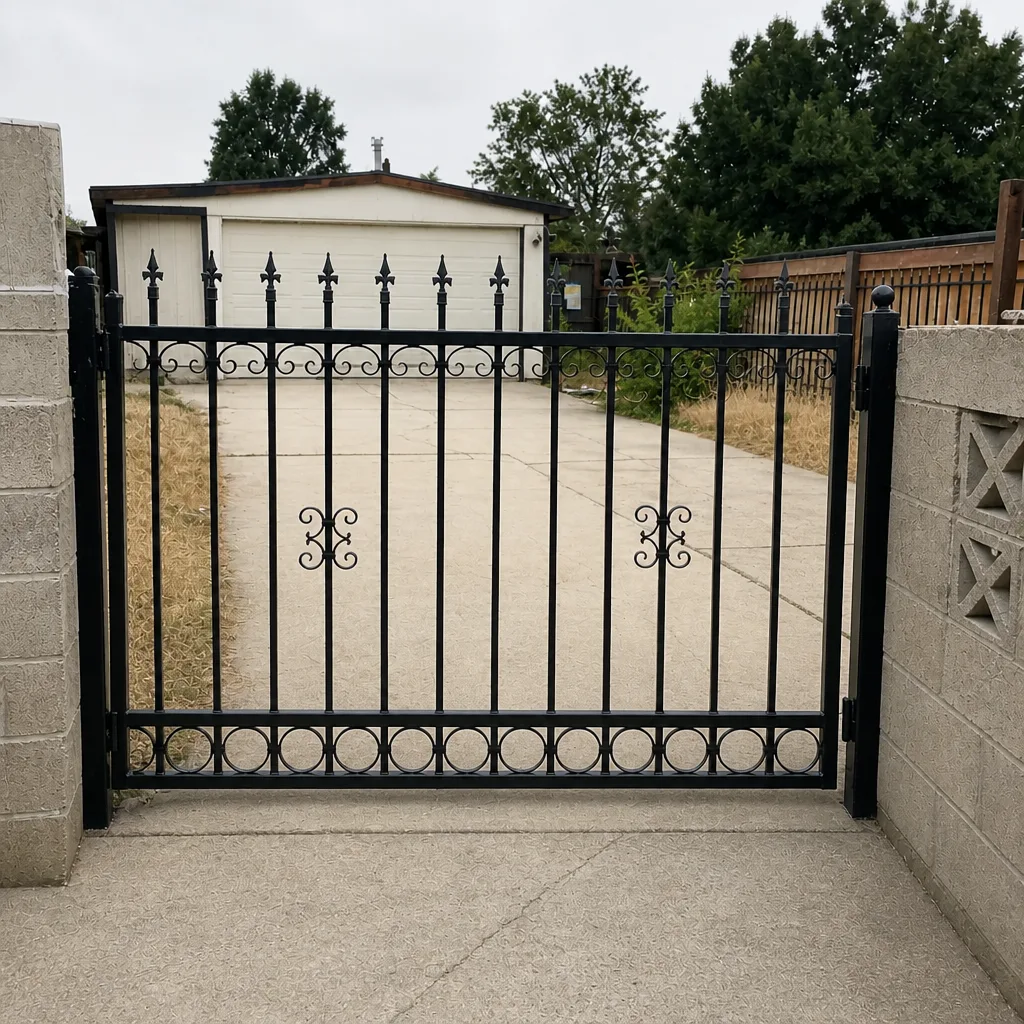 After
The Two Failure Modes: Stuck Open vs. Stuck Closed
These are not the same problem with a different symptom. A gate stuck open leaves your property exposed, and the repair can wait while you handle security. A gate stuck closed traps vehicles inside or keeps you from pulling in, and the repair can’t wait if someone needs to leave. The sequence you follow changes entirely depending on which one you’re facing.
Think of it as two separate protocols that share one technician at the end. In Winchester, we’ve seen homeowners reverse the order on both – trying to diagnose a stuck-open gate before securing it, or sitting in a car waiting for the gate to move when the battery in the operator is dead and no amount of waiting will help.
- Stuck open = security event. Physical barrier and lighting first, wiring and operator diagnostics second.
- Stuck closed = access event. Determine whether it’s power, operator logic, or something mechanical before you call.
- Both end with a documented repair under a written price. Neither should end with a verbal estimate and a handshake.
The operating brands installed on Winchester properties vary widely – Ghost Controls on DIY-friendly swing gates, DoorKing on heavier driveway systems, Elite and Mighty Mule on smaller residential lifts. Each responds differently to a release procedure, which is why the operator model matters before anything else.
Stuck-Open Response Sequence: Secure First, Diagnose Later
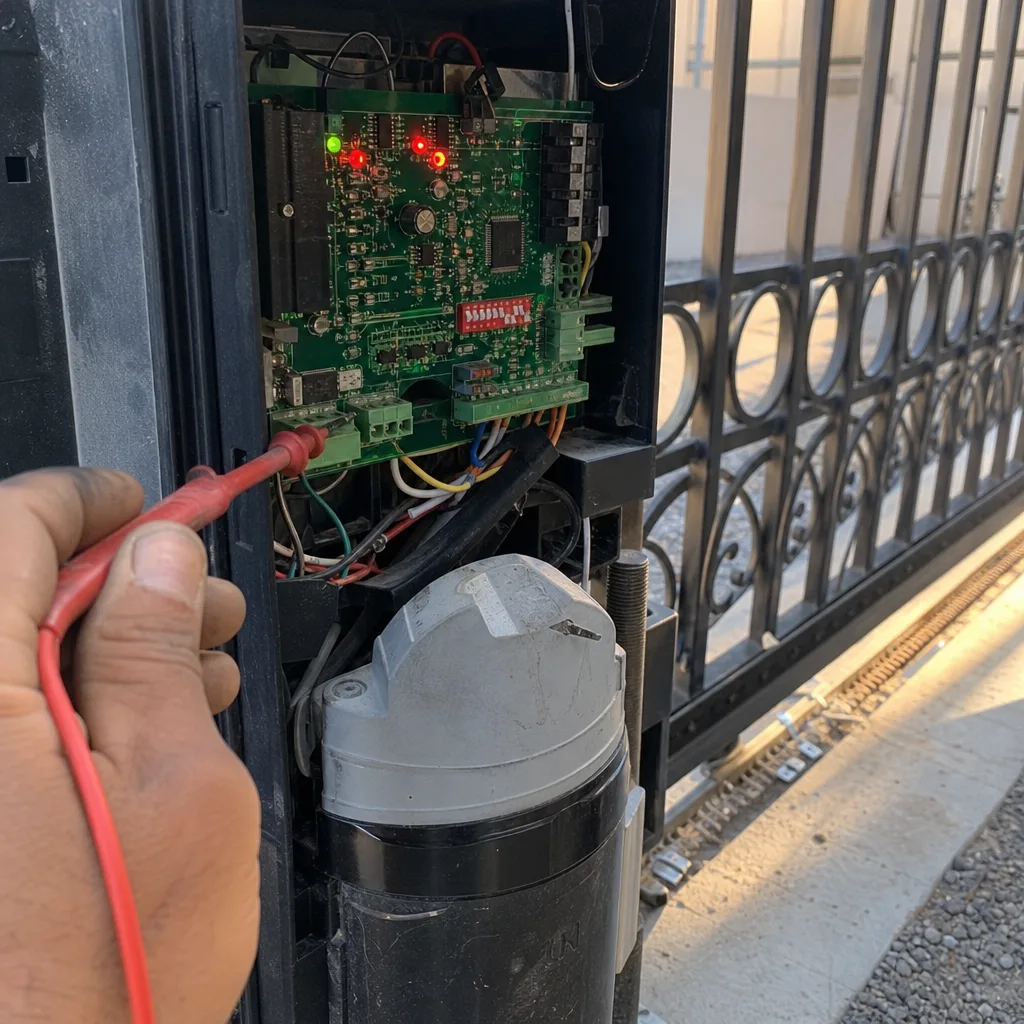
A gate stuck at full open with your house behind it needs to stop being open before it needs to be repaired. The repair can happen in an hour or in the morning. The exposure is happening now.
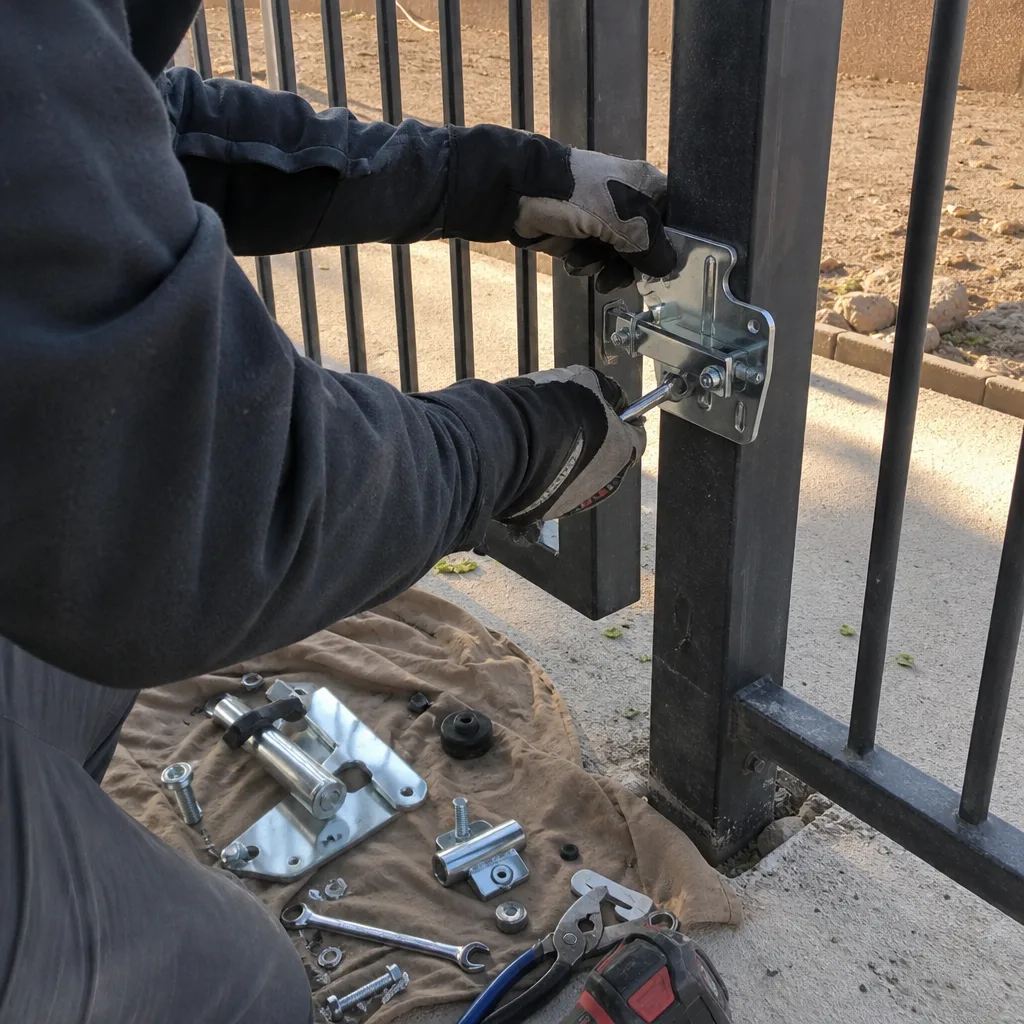
- Physically close the gap. A car, a portable barricade, or the manual release lever on most operators will get the gate leaf back to the closed position. On a swing gate, that usually means disengaging the motor arm and walking the leaf shut.
- Lock the gate in place. Most residential swing gates have a drop rod or a lockable latch on the trailing edge. If it doesn’t, that’s the first thing to fix after the emergency.
- Add light. Motion-activated flood lights on the driveway side make the property read as active rather than empty. This is cheap and effective.
- Photograph the operator and the wiring. The panel state, any fault LED code, and the position of the arm tell the technician what happened.
- Call for repair. You now control access. The technician arrives to a diagnosed problem rather than a scene.
We’ve had Winchester calls where the gate had been open for two hours while the homeowner walked the property checking every window. Securing the gate first would have handled the same fear in four minutes. The documentation piece matters here too – under Vance Gate Repair Winchester practice, every job leaves a photographed record of the fault and the fix, so the next event starts from evidence instead of memory.
Stuck-Closed Response Sequence: Power, Operator, or Mechanical
A gate that won’t open is easier to diagnose than most homeowners expect. Three checks in this order tell you most of what you need to know before you pick up the phone.
- Check power at the source. Is the operator’s control box lit? Is there a breaker in the panel that’s tripped? A solar-charged operator (common on Ghost Controls units) may have a depleted battery, not a dead control board.
- Check the operator’s LED status. Every major brand uses diagnostic LEDs or a small display. A steady fault light on a DoorKing controller means something different than a blinking one. Note the pattern.
- Check for mechanical binding. With the operator disengaged (using the release procedure below), walk the gate by hand. If it drags, catches, or won’t complete its arc, the failure is in the gate, the hinges, or the frame – not the motor.
If the power is on, the LED shows a fault, and the gate moves freely by hand, you’re looking at an operator or control board problem. If the gate binds by hand, no amount of motor repair will fix it and you’ll want a mechanical service call. If there’s no power at all, start with the electrical side.
This is where the model number and wiring photo you kept from the last service earn their place. A technician who knows they’re looking at a FAAC or a Linear before they leave saves a trip, and a written scope under Haven Standard means you know the price before anyone touches the panel. For repair-specific detail, see Gate Repair in Winchester.
Manual Release for the Five Most Common Winchester Operators
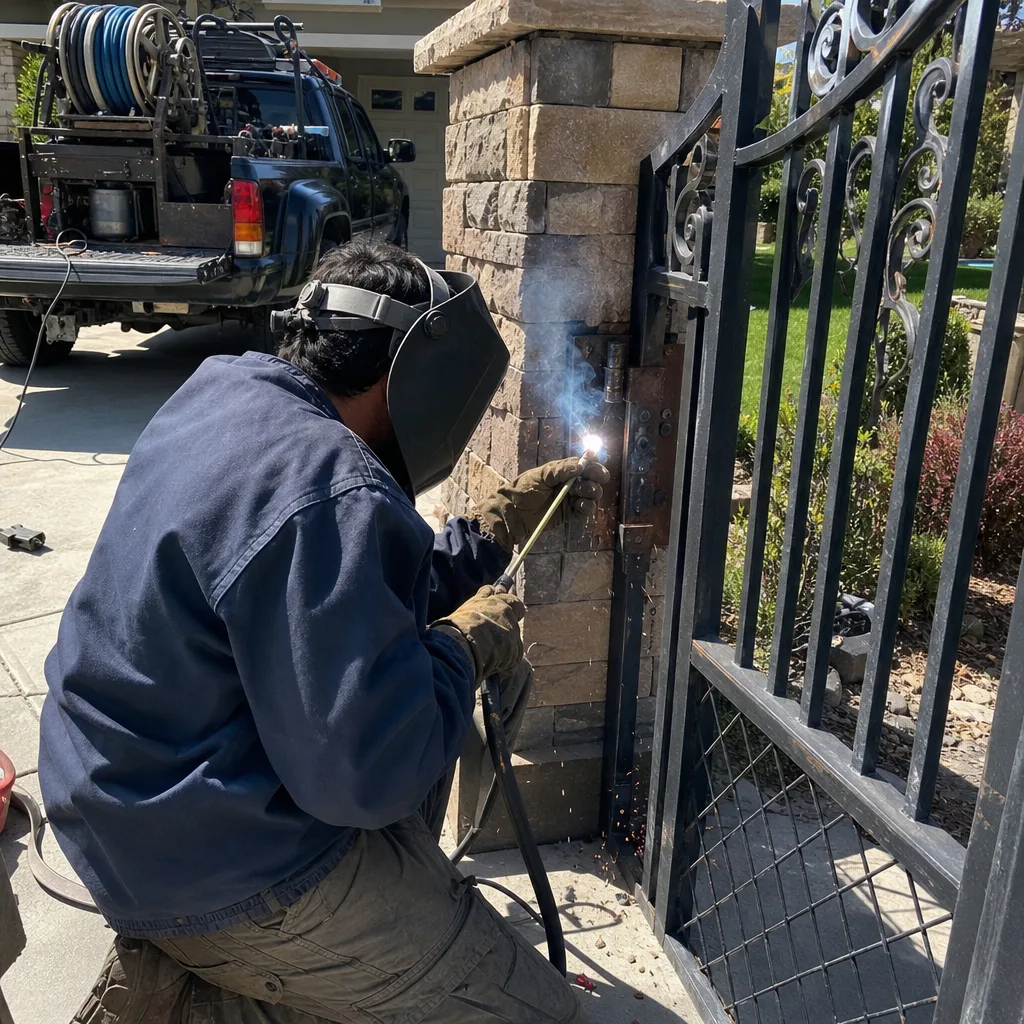
Manual release is how you move the gate when the motor is stuck or the power is out. It’s mechanical, not electrical, and it’s different on every brand. Know where yours is before you need it – in the dark, the release lever or key is easy to miss.
- LiftMaster (sliding and swing operators): A manual release key or lever is usually on the side or top of the operator housing. Turn the key or pull the release handle, then slide the gate by hand. The lever is often marked with a small icon. Sliding-gate models typically use a chain-hoist release.
- Ghost Controls (residential swing): A pin or release pin on the actuator arm. Pull the pin, lift the arm off the gate bracket, and the gate swings free by hand. This is the most homeowner-friendly of the common residential units.
- DoorKing (heavier driveway and commercial-grade): A manual release key usually located on the operator’s side panel or at the top cover. Turn it, then walk the gate. Do not force the release – if it won’t turn, the mechanism needs a technician.
- Elite (residential swing and slide): Release lever or key on the operator housing. On slide units, a chain-release handle disengages the motor. On swing units, a pin-release on the arm.
- Mighty Mule (lighter residential swing): A release key at the actuator arm. Insert the key, rotate, and the arm decouples. The gate should then swing by hand with light pressure.
The tool matters. LiftMaster and DoorKing often require a physical key that came with the unit – keep a spare on a hook by the garage door. Ghost Controls and Mighty Mule use a pin you can pull by hand. If you can’t find yours, that’s a call to make before you have an emergency. For motor-specific service, see Gate Motor & Opener in Winchester.
What to Tell an Emergency Dispatcher
The difference between an accurate ETA and a five-call runaround is the information you have ready in the first 60 seconds. Here’s the script.
- The operator brand and model number. “It’s a Ghost Controls” is faster than “some gate opener.” If you don’t know, say so – a photo of the label is worth more than a guess.
- Stuck open or stuck closed. Both are emergencies. They dispatch differently.
- The LED or fault code. Read it off the panel if it’s visible.
- Whether the gate moves freely by hand with the operator released. This single answer separates a mechanical call from an operator call.
- The gate type and approximate width. A single-leaf 12-foot swing gate and a 20-foot slide gate are different jobs.
- The property type. Residential vs. light commercial changes the operator class. Knowing the difference upfront avoids a residential rate quoted for commercial-grade equipment – or the reverse.
Have your address, gate location, and any gate code or access instructions ready. In Winchester, we’ve had calls where the gate code wasn’t provided until the technician was on the street, adding 20 minutes to an otherwise straightforward repair. One live person answers the phone at Vance Gate Repair any hour – no voicemail loop, no callback queue – so the dispatcher can take your information in one call.
The Pre-Failure Documentation That Makes Every Emergency Faster
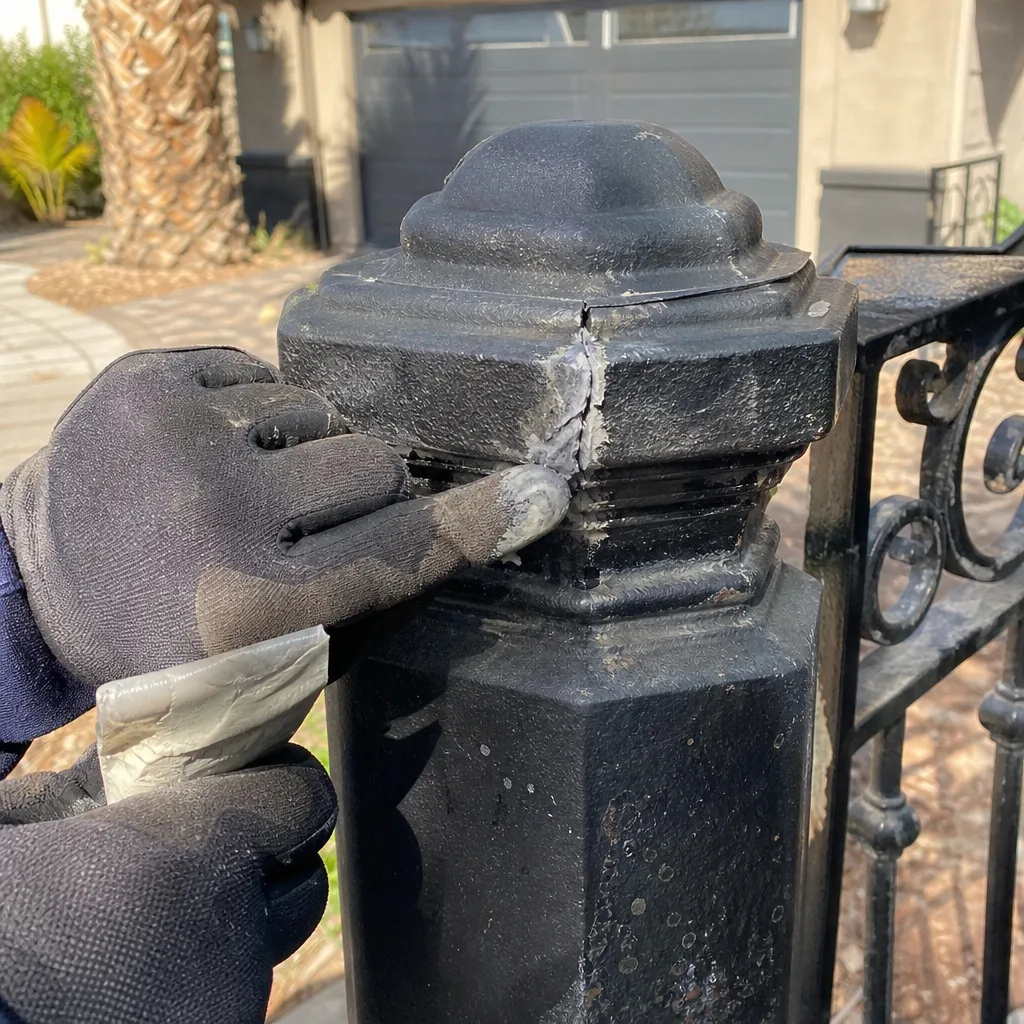
The single most useful thing you can do tonight is store five pieces of information where you can find them in the dark. This isn’t busywork. It’s what turns an emergency into a scoped, priced repair.
- Photo of the operator model label. The plate with the brand and model number, usually inside the housing cover or on the underside.
- Photo of the wiring diagram and the control board. Every major unit has a wiring diagram either silk-screened inside the cover or on a sticker. Photograph it. Then photograph the terminal connections before anyone touches them.
- The last service date and what was done. A single note on your phone – “limit switch reset, arm bracket replaced, August” – saves a diagnostic call.
- The manual release location and tool. A photo of where the release lever or key sits, plus a spare key on a hook.
- The gate’s original install paperwork. If you have it, the spec sheet tells a technician the gate weight, hinge type, and power run. If you don’t, that’s fine – the photo record from the last visit fills the gap.
We photograph every visit and leave the record with the homeowner, under Haven Standard Clause 4 (Evidence on every job). That’s not a marketing line. It’s the reason a repeat call on the same gate takes half the time.
Winchester Conditions That Trigger Gate Failures
Winchester sits in a desert climate, and the seasonal pattern shows up in gate failures the same way it does everywhere else in the valley. The failure patterns we see most often here are tied to three conditions:
- Summer heat. Control boards, batteries, and gearboxes run hotter than their design spec during July and August. Solar-charged operators see the most failures when batteries degrade faster than the panels can recharge them.
- Dust and wind. Dust collects on limit switches, photo-eyes, and chain tracks. A photo-eye misaligned by an eighth of an inch from dust or wind-driven debris will stop a gate mid-travel with a fault code the homeowner can’t interpret.
- Winter temperature swings. Metal expands and contracts. Hinges that were quiet in September develop a bind by January. Most “the motor failed” calls we see in Winchester in cold weather are actually mechanical.
Spring brings wind and pollen. Pollen coats the photo-eye lens and stops the gate from closing because the safety beam is interrupted. That’s a two-minute fix on a service call, but it reads as a catastrophic failure to a homeowner at 10pm.
The Quarterly Check That Prevents Most Midnight Calls
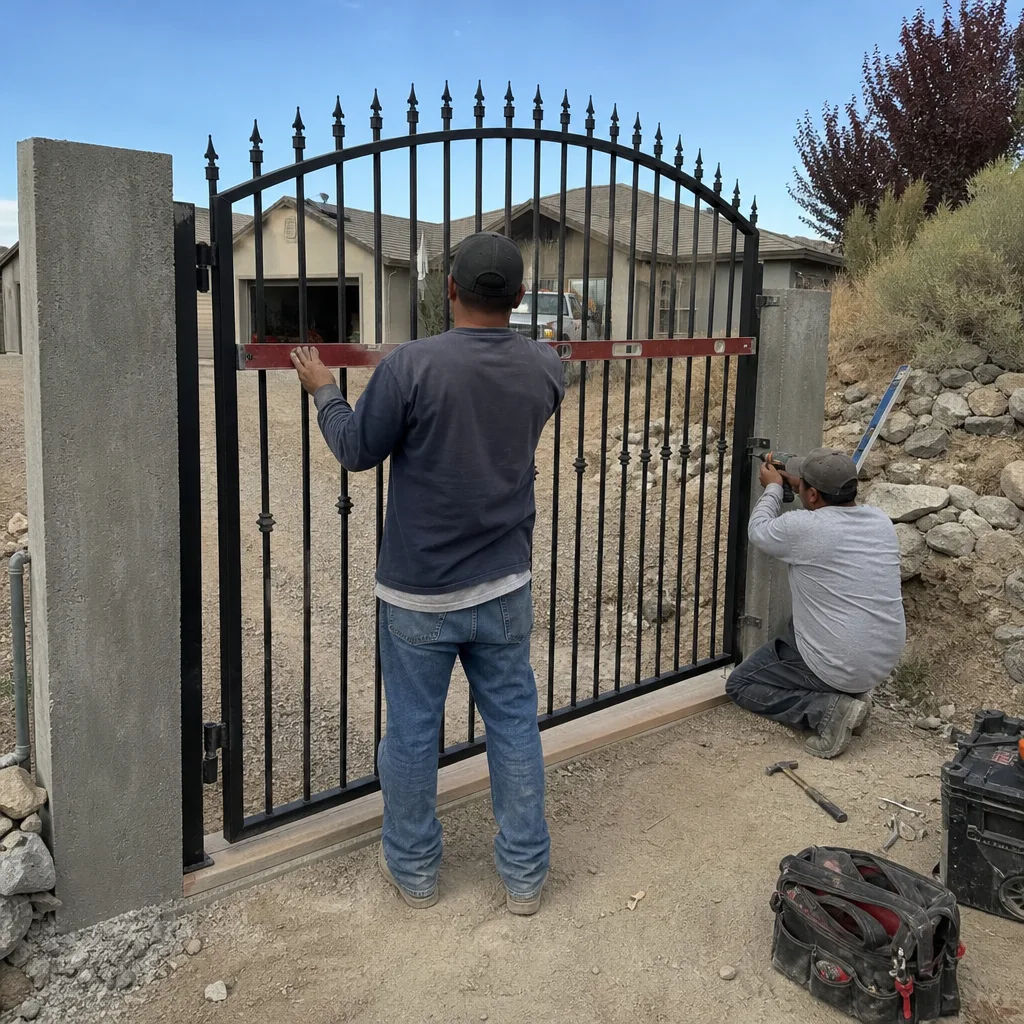
Four times a year, walk your gate. Ten minutes. This is what a trained technician checks on a service visit, done at a level a homeowner can safely handle.
- Walk the gate by hand with the operator released. It should move smoothly. If it binds, that’s a hinge or frame problem starting, not a motor problem.
- Wipe the photo-eye lens with a soft cloth. Both sides. Dust and pollen are the number one cause of gates that won’t close.
- Listen for the operator. Grinding, clicking, or a motor that sounds labored is a warning, not a mystery.
- Check the release lever or key. Does it move freely? If it’s seized, schedule service before you need it.
- Test the safety edges. Walk into the beam path. The gate should stop or reverse. If it doesn’t, stop using the operator until it’s serviced.
Anything that involves opening the operator housing, adjusting limit switches, or tracing wiring, leave to a technician. Gate operators hold stored mechanical energy and the electrical panels run line voltage. Both can hurt you. For a new gate or a full replacement, see Gate Installation in Winchester – the specs on the new install shape the maintenance schedule for years.
Common Mistakes to Avoid
- Diagnosing before securing a stuck-open gate. The security exposure is happening while you’re reading the panel. Close the gate first, diagnose second.
- Forcing the manual release. If a LiftMaster or DoorKing release key won’t turn, stop. Forcing it damages the release mechanism and turns a repair into a replacement.
- Assuming a photo-eye fault means a dead motor. In Winchester, pollen on the lens is the single most common cause of a gate that won’t close. Wipe it before you call.
- Calling without the model number. A technician who knows the brand and model before dispatch quotes faster and arrives with the right parts. “Some automatic gate” costs you a trip.
- Paying for a verbal estimate. If a company won’t put a price in writing before the work starts, that’s the fastest way to pay twice for the same problem.
- Replacing an operator when the gate is binding. A motor that “isn’t strong enough” is often a hinge that’s seized. Service the mechanics before you consider replacing the motor.
- Skipping the safety edge test. A gate that reverses on a person or a pet is not a working gate. If the test fails, stop using it until a technician inspects.
See the difference
BeforeAfter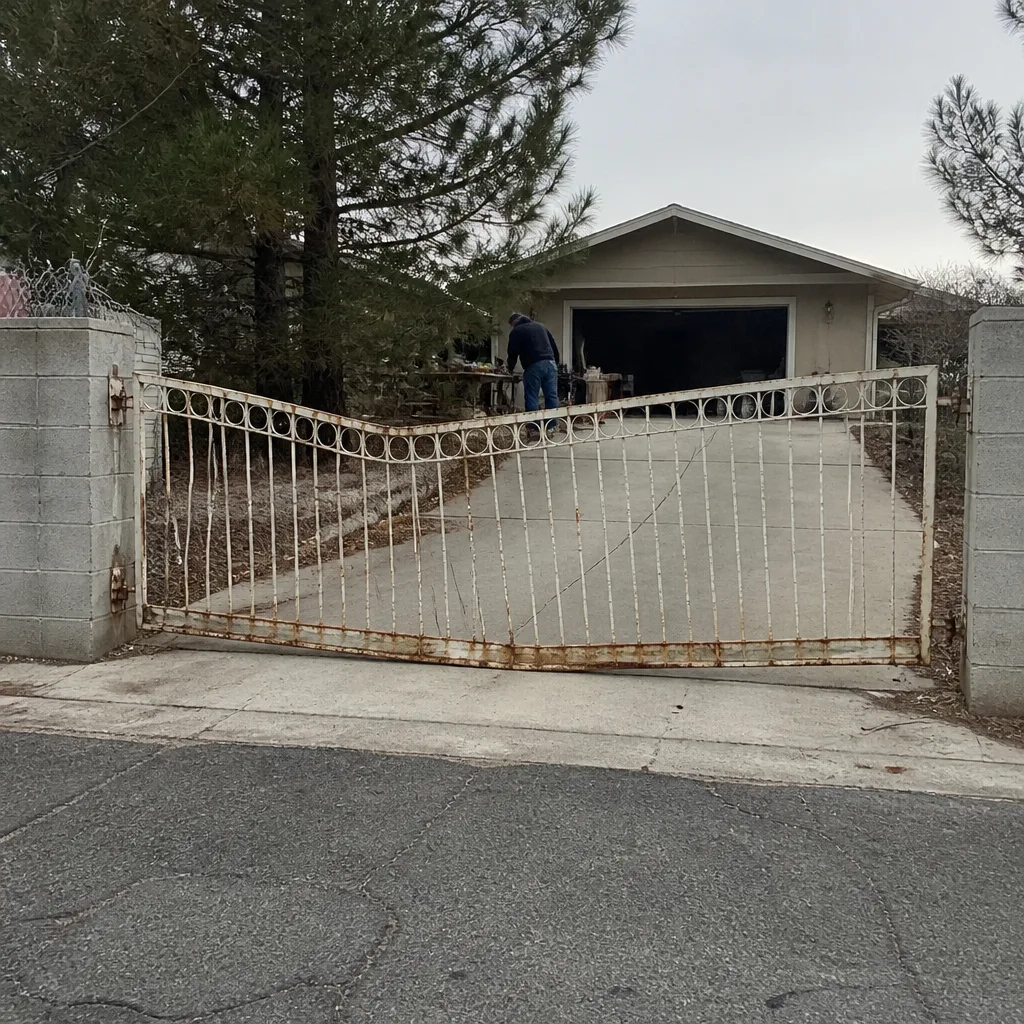 Before
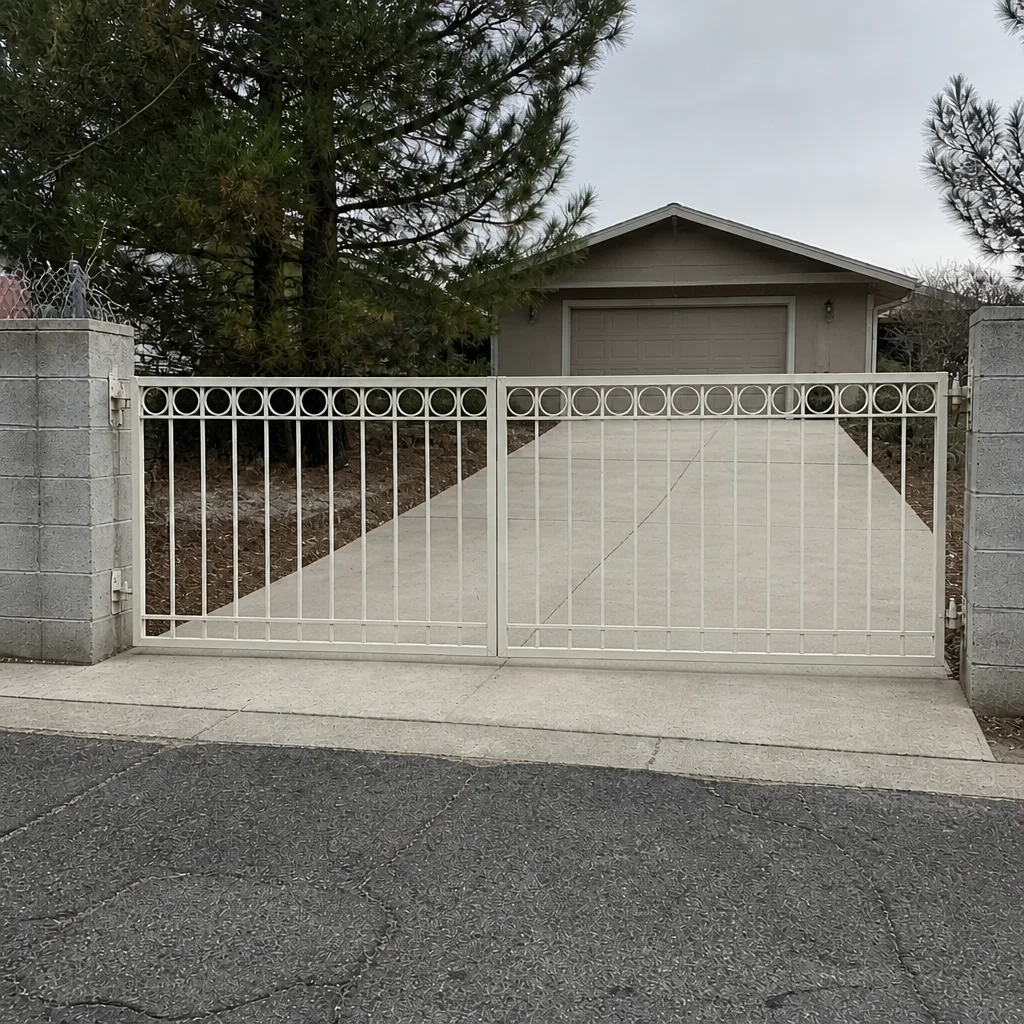 After
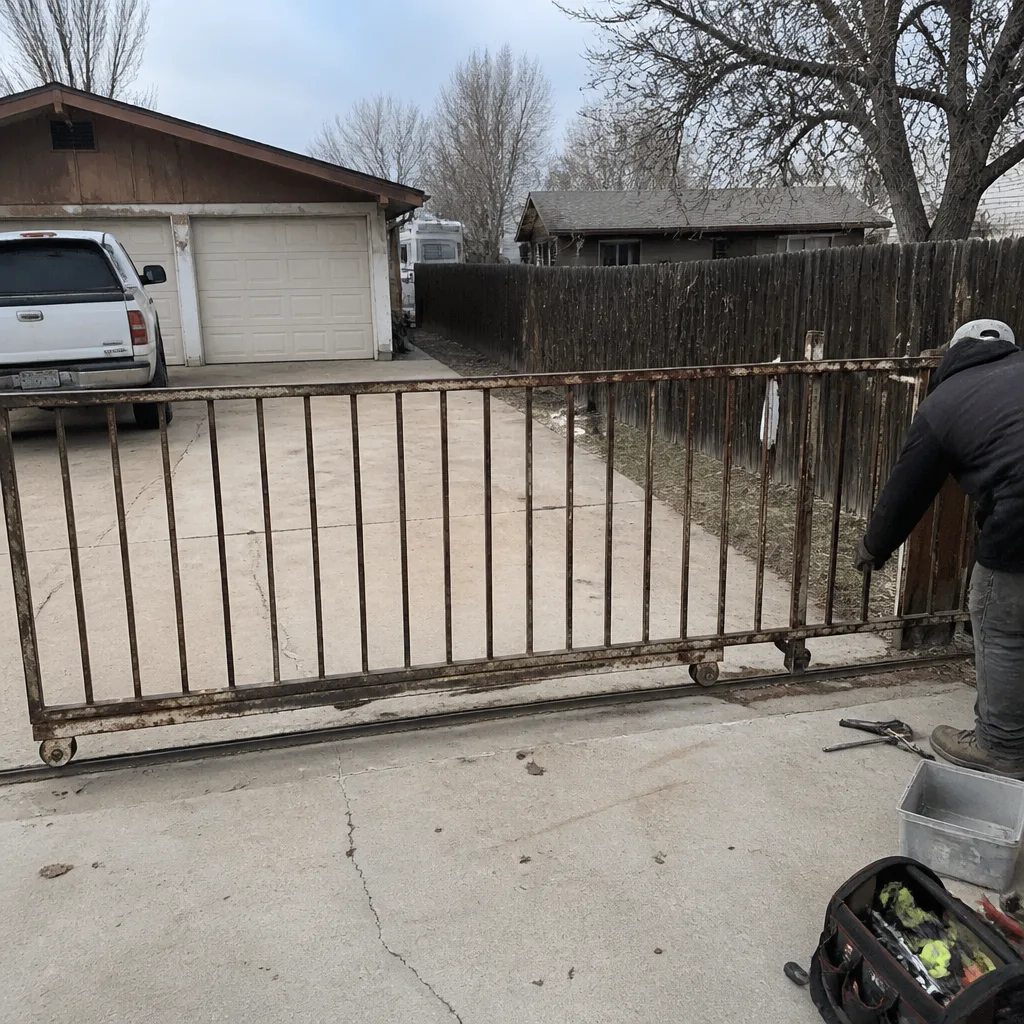 Before
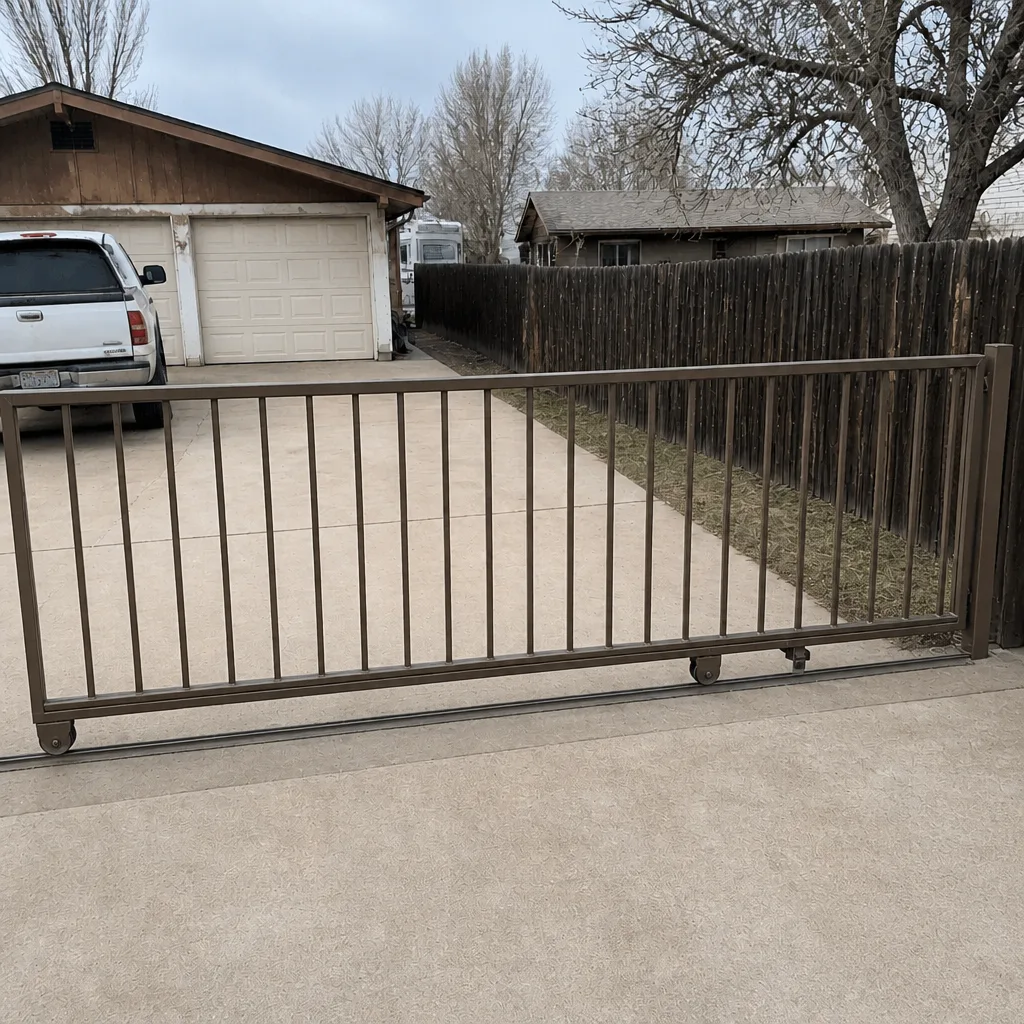 After
When to Call a Professional
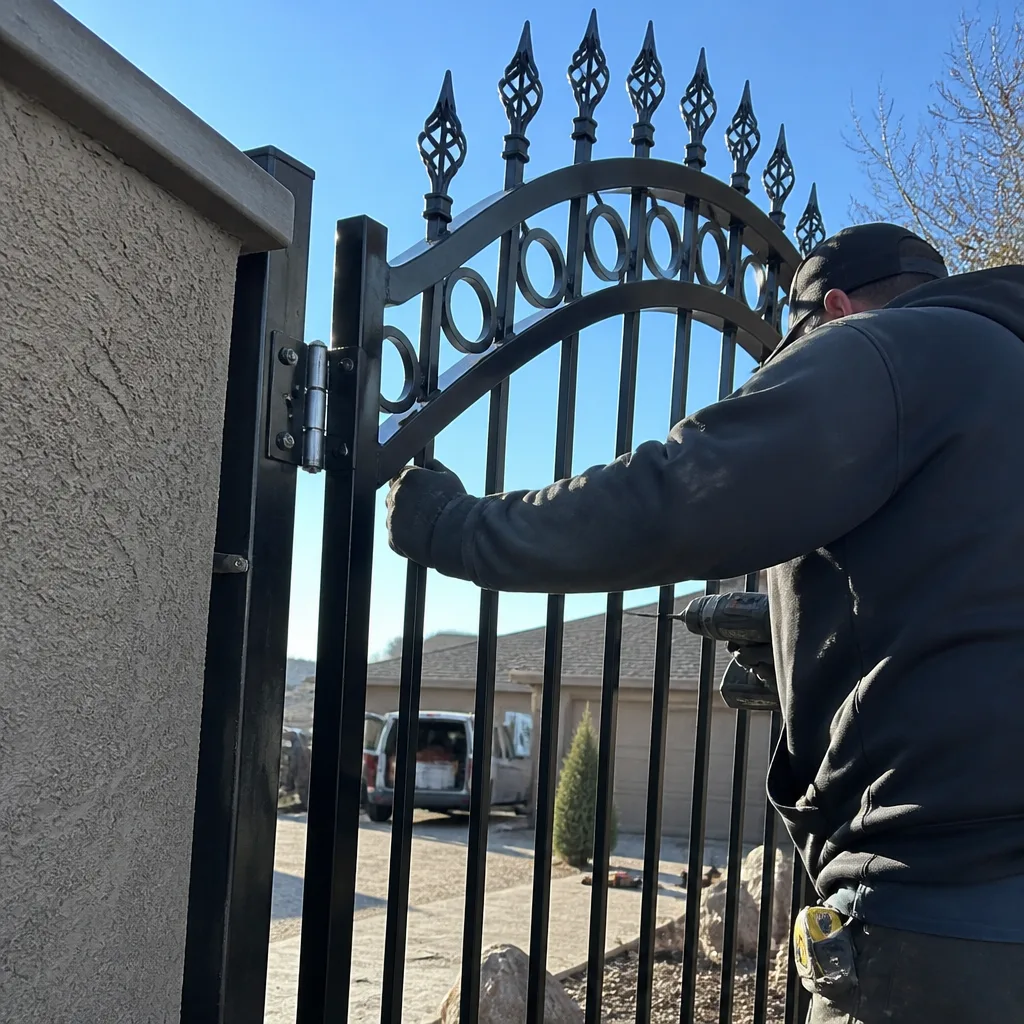
Call a professional immediately if the gate will not secure, if the operator runs but the gate doesn’t move, if you smell burning from the control box, or if the safety edges fail the beam test. Call before you use the operator again if any stored fault code stays lit after a power cycle. On heavier DoorKing or commercial-grade systems, do not attempt the manual release procedure yourself unless you’ve been shown it before – the mechanical load can cause a serious injury. Vance Gate Repair Winchester offers free estimates in Winchester – call (866) 983-9213. Our technicians have up to 12 years of experience, and every visit leaves a documented photo record of what was found and what was fixed.
Frequently Asked Questions
Most emergency gate repair calls in Winchester land between $180 and $380 depending on whether the issue is mechanical, operator, or electrical. Operator or control board replacement on a residential swing gate typically runs $400 to $850 with the part. The written price is handed over before work starts – no surprise invoice at the end. Call (866) 983-9213 for an exact quote – estimates are free.
Yes. A gate stuck open is a security emergency and it goes to the top of the queue. A live person answers the phone any hour at (866) 983-9213, so you won’t hit voicemail. Have the operator brand and model ready if you can – it speeds up dispatch and gets you a more accurate ETA.
The manual release location depends on the brand. LiftMaster and DoorKing typically use a key or lever on the operator housing. Ghost Controls and Mighty Mule use a pin at the actuator arm you pull by hand. Elite uses a lever or key on the housing. If you can’t find yours, a photo of the operator sent to a technician will locate it in one look.
Wipe both photo-eye lenses first. Pollen and dust on the infrared beam are the number one cause of a gate that won’t complete its close cycle in Winchester. If the gate still won’t close with clean lenses, check the LED status on the operator, then call for a service visit. Do not bypass a safety edge – it’s there to stop the gate on a person or a pet.
Yes. Vance Gate Repair works on nine major gate automation brands – including Ghost Controls, DoorKing, Elite, and Mighty Mule – so the technician arrives able to repair whatever motor is already on the property. There is no reason to steer toward replacement when a control board, limit switch, or arm bracket solves the problem. Call (866) 983-9213 to book a free estimate.
Five things: a photo of the operator model label, a photo of the wiring diagram on or inside the unit, the last service date, the location of the manual release tool, and any fault code you saw. Store them in one place on your phone. If your previous company left a documented photo record, keep that too – it saves 15 to 30 minutes on the next call.
The Bottom Line
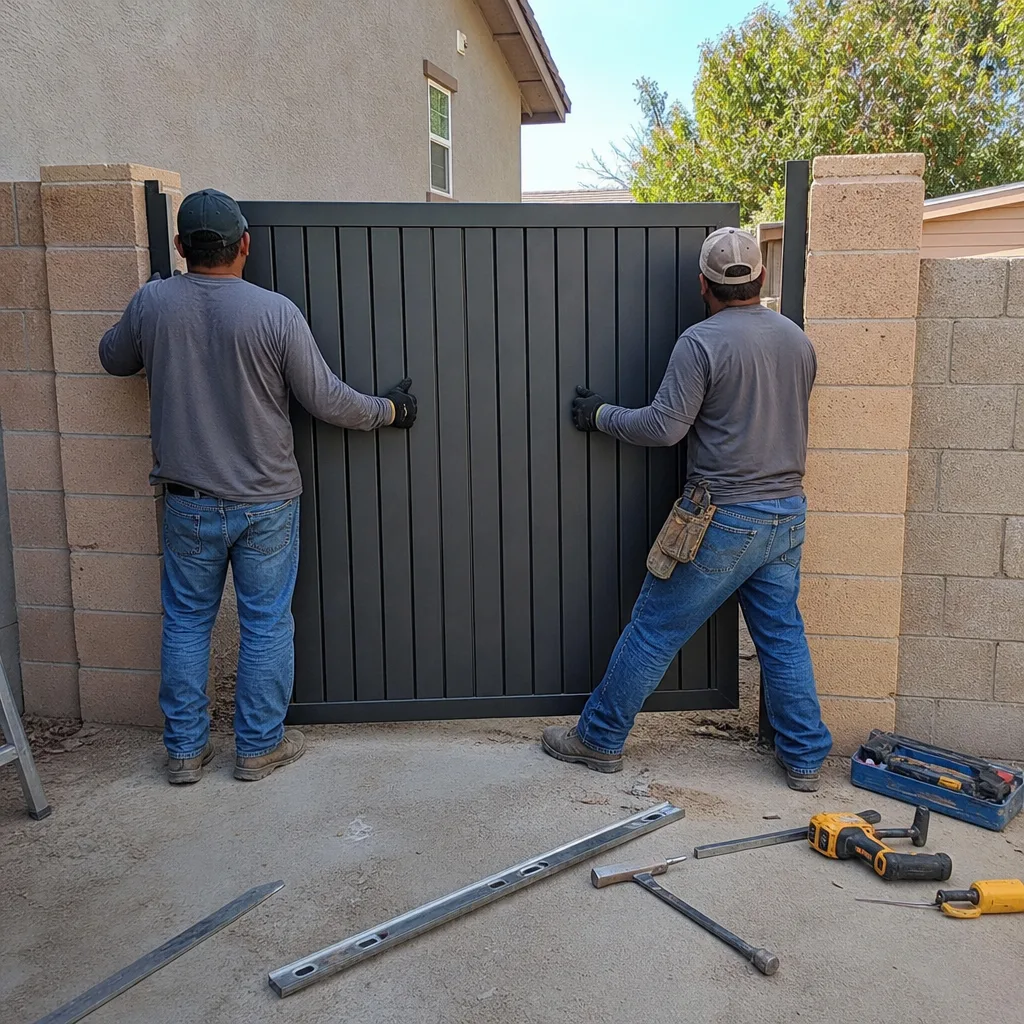
Gate emergencies in Winchester split cleanly into stuck-open and stuck-closed, and the two demand different responses. Stuck open is a security event: close the gap, lock the gate, add light, then call. Stuck closed is an access event: check power, read the operator’s LED, and walk the gate by hand before you call. The information that gets you a fast, correctly-priced repair – model number, wiring photo, last service date, release location – costs you ten minutes to gather tonight. Ten minutes tonight saves hours during the next midnight call. Every repair from Vance Gate Repair is priced in writing before work starts and documented in photos when the technician leaves, under the Haven Standard. Call (866) 983-9213 for a free estimate in Winchester – a live person answers any hour.
Written by the team at Vance Gate Repair Winchester.