
Last updated November 18, 2026
 Wrought iron
 Wood & steel frame
 Farm & ranch
 Sliding driveway gates
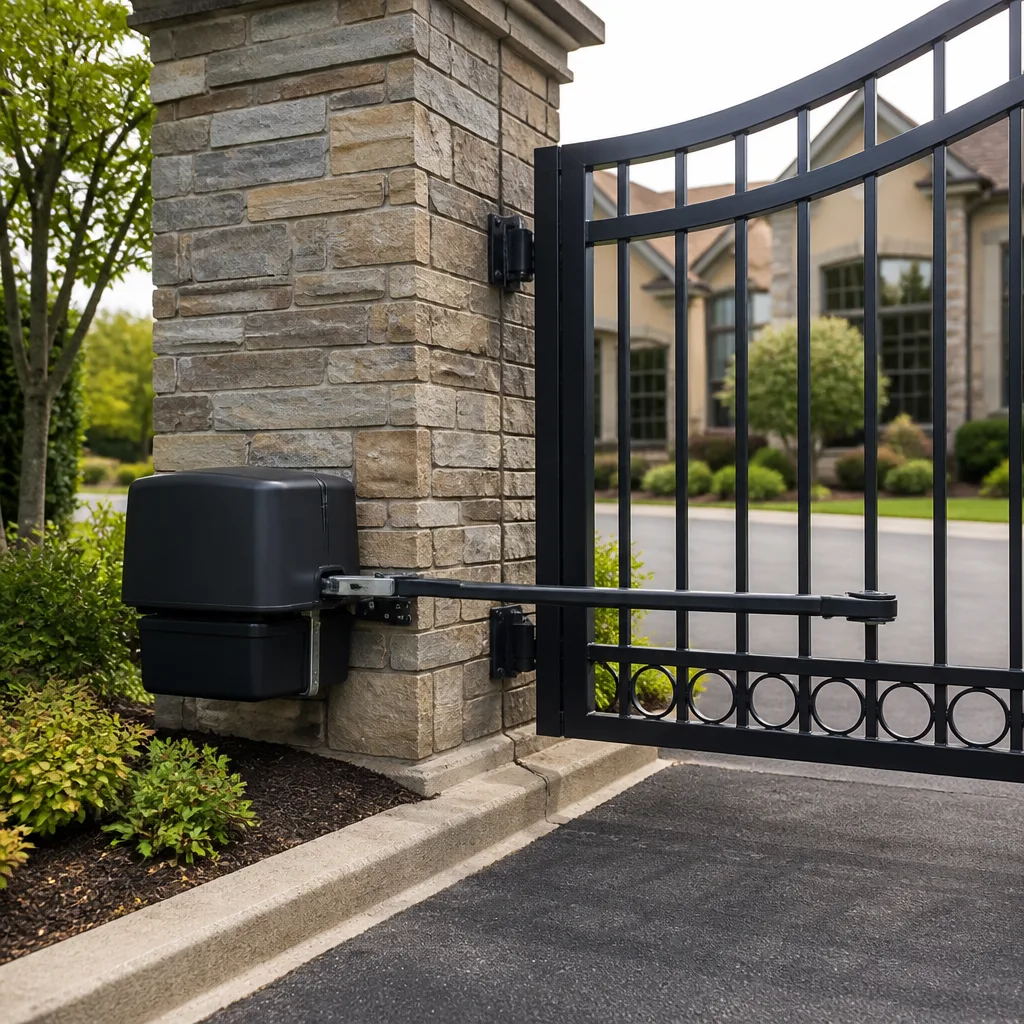 LiftMaster operators
Free on-site gate assessment - hinges, posts, and your LiftMaster or Nice gate operator checked before anything is quoted
The assessment is free and the quote is the invoice.
Get your free estimateGate Motor & Opener Troubleshooting: Common Problems and How to Fix Them
Replacing a gate motor when the actual fault is a worn capacitor or a corroded ground connection is the single most preventable expense in gate repair. The motor was fine. The diagnostic was not. We’ve pulled perfectly healthy operators off driveways in Winchester after a homeowner spent money on a replacement that solved nothing, because nobody checked whether the gate itself was binding before blaming the electronics. This guide teaches the diagnostic sequence we use: mechanical load first, electrical supply second, control-board logic third. It won’t turn you into a gate technician, but it will tell you what’s worth checking yourself, what a fault code is actually saying, and when the honest answer is to put the phone down and call someone.
Quick Answer
Most gate motor faults trace back to one of three root causes: a gate that physically binds or drags (mechanical), a transformer or battery not delivering specified voltage (electrical supply), or a controller fault code pointing to a mis-set limit switch or failed logic board (control). Diagnose in that order. Replacing parts before you’ve isolated the branch is how homeowners pay twice for the same problem.
Styles & brands we work with
- Wrought iron
- Wood & steel frame
- Farm & ranch
- Sliding driveway gates
- LiftMaster operators
Table of Contents
- The Three-Branch Diagnostic Tree
- The Five Failure Symptoms and What They Usually Mean
- How to Read Fault Codes and LED Blink Patterns
- What Evidence Should Exist Before Any Part Is Replaced
- What’s Safe to Check Yourself vs. What Requires an Electrician
- Why Winchester Heat and Dust Wear Gate Motors Differently
- Brand-Specific Notes: Linear, Viking, Ghost Controls, DoorKing
- The Documentation Habit That Stops Repeat Failures
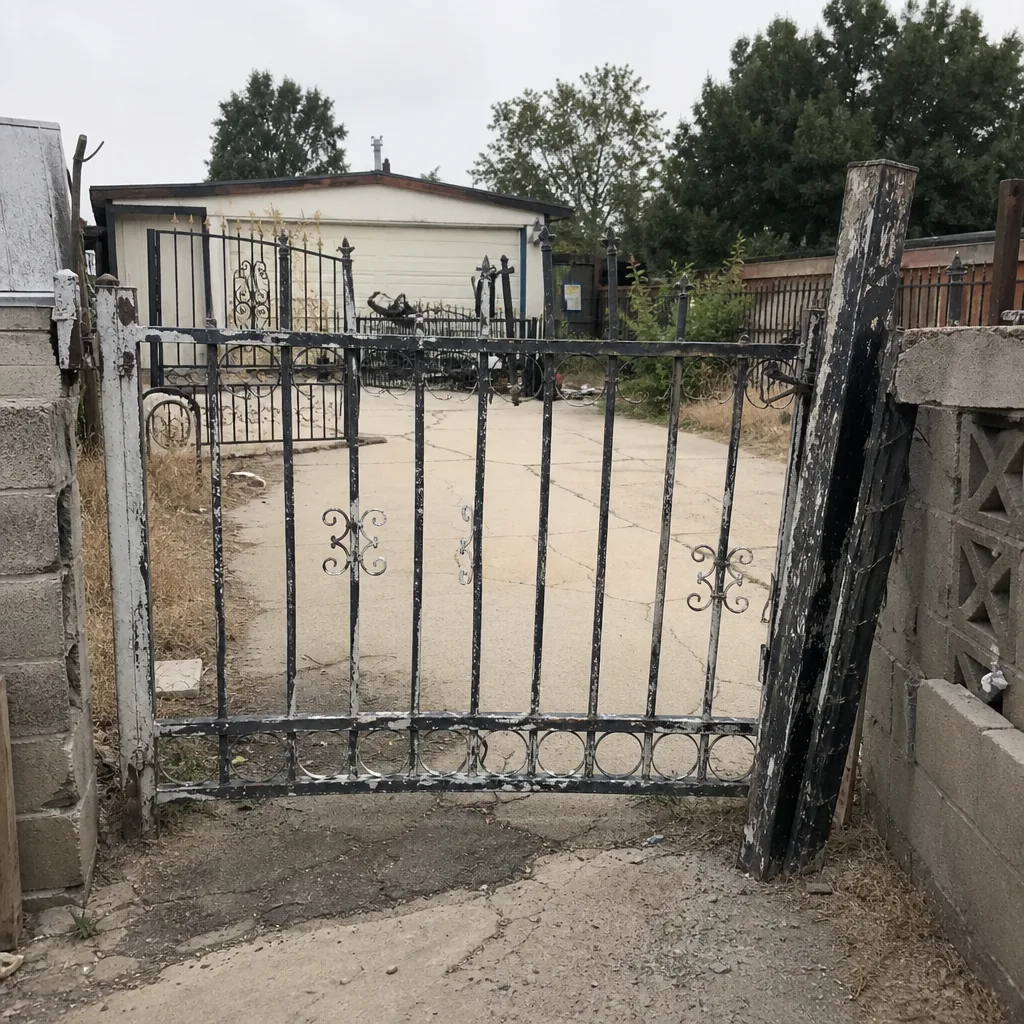 Before
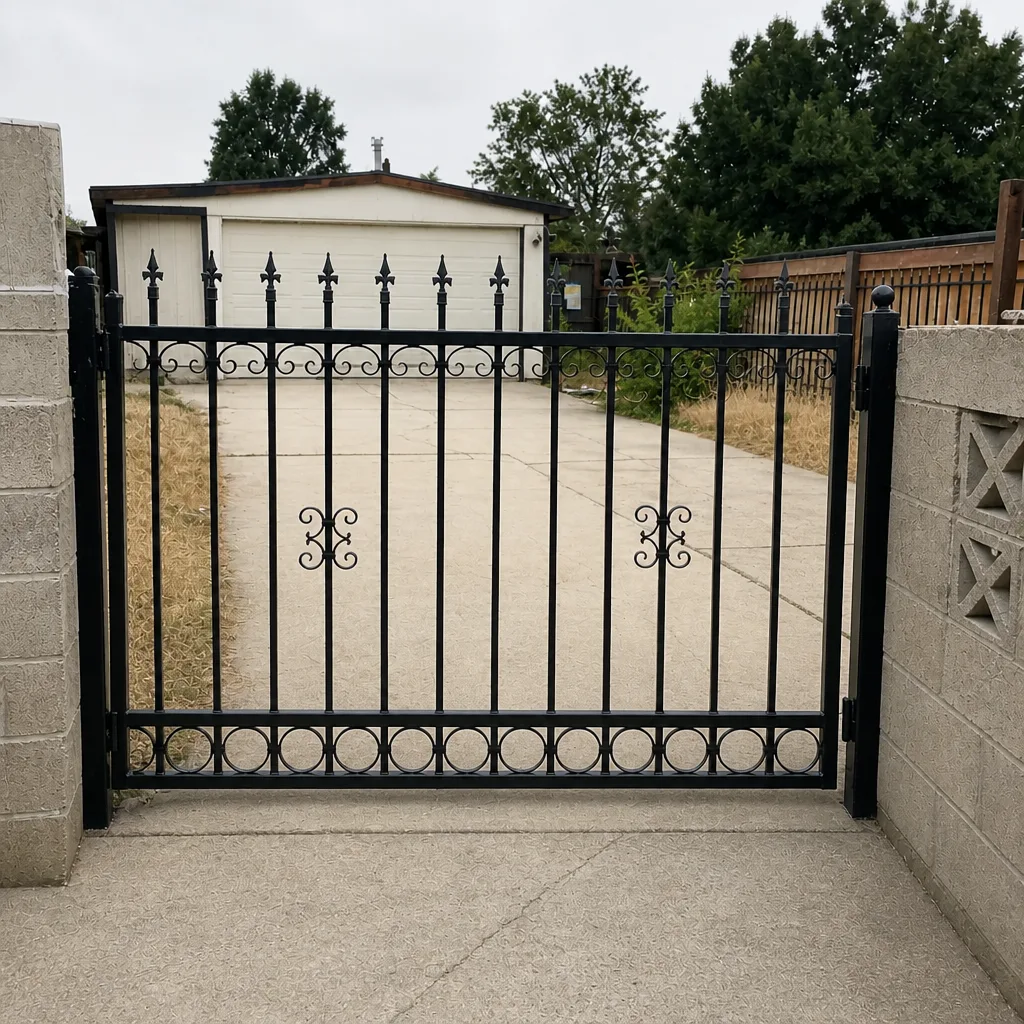 After
The Three-Branch Diagnostic Tree
Here’s how we approach every non-responsive gate in Winchester. It’s a sequence, not a menu: you work the branches in order, and you stop when you find the fault. Skipping a branch is what causes the wrong part to get replaced.
- Mechanical load. Disconnect the operator (most residential units have a manual release lever or key). Push the gate through its full arc by hand. It should move with two fingers. If it drags, scrapes, binds at one point, or won’t hold open, the motor isn’t your problem – the gate is. Common culprits: a hinge pin that’s seized from the dust that blows through the valley, a wheel that’s flat-spotted, or a track that’s out of plumb.
- Electrical supply. Is the transformer putting out its rated voltage at the terminals? Is the battery (on solar or battery-backup units) holding charge above its cutoff? Ghost Controls and Linear battery-backup operators are especially sensitive to a battery that’s dropped below threshold after two or three of Winchester’s summers.
- Control-board logic. Only now do you read the fault code. If the gate moves freely and the supply is good, the controller is telling you something specific – a limit switch reading, a photo-eye interruption, a board fault.
Working in this order is how you avoid the trap at the heart of this guide: buying a $400 motor to fix a $6 hinge pin. If you need a baseline on what the repair itself typically involves, our gate motor & opener service in Winchester page covers the service side.
The Five Failure Symptoms and What They Usually Mean
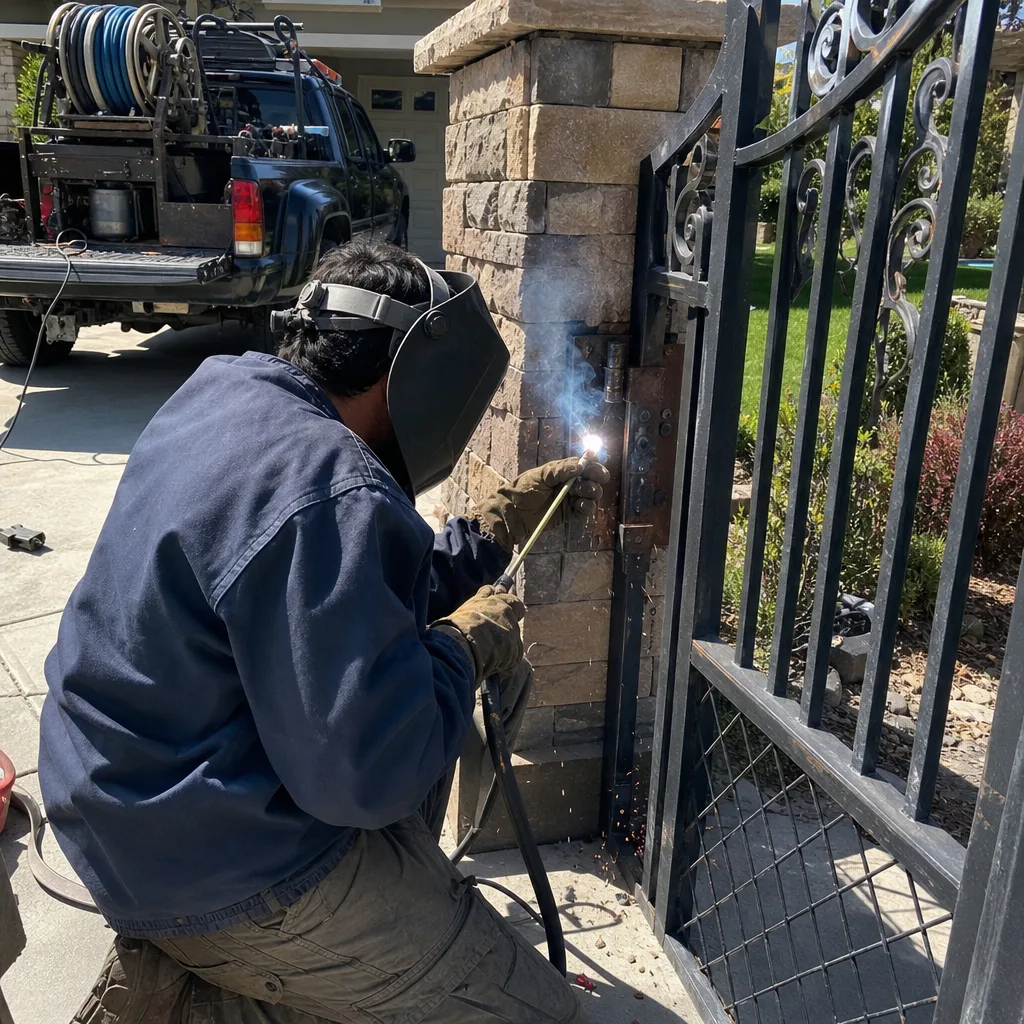
Almost every call we take in Winchester falls into one of these five buckets. The root causes are listed in order of probability, because frequency is what makes a diagnostic useful.
1. Gate won’t start at all
- Most likely: dead battery or failed transformer (check supply voltage first), a tripped breaker feeding the operator, or the control board in a lockout state after a power surge.
- Less likely: failed motor winding, or a photo-eye that’s been knocked out of alignment and is holding the gate in a safety stop.
2. Gate reverses immediately after starting
- Most likely: a photo-eye (the infrared beam that stops the gate if something crosses the path) misaligned by even an inch, or a safety edge that’s shorted. This is the number-one cause of the “it starts then backs up” call.
- Less likely: an obstruction sensor set too sensitive, or a limit switch set inside the travel so the gate hits its own stop and bounces.
3. Gate stops mid-travel
- Most likely: a mechanical bind the operator torque-sensing limps out on, or a limit-switch magnet that’s drifted. We routinely find limit switches set several degrees past travel on sway gates here.
- Less likely: an overheating motor that’s cycling out on thermal protection.
4. Gate opens but won’t close
- Most likely: a reversed or failing photo-eye. The operator’s designed behavior is to refuse to close if it thinks something is in the path, so a bad eye mimics a permanent obstruction.
- Less likely: a stuck “open” limit or a wiring fault in the close-loop.
5. Remote works intermittently
- Most likely: a weak remote battery, a receiver antenna that’s been moved or shielded, or interference from a nearby transmitter.
- Less likely: a receiver board fault, or a keypad/access reader competing on the same channel.
Notice the pattern: most of these are not motor failures. They’re sensor, supply, or limit-switch failures. The motor is typically the last thing to fail and the first thing people replace.
How to Read Fault Codes and LED Blink Patterns
Residential controllers don’t usually give you a text message, but almost all of them give you a blink pattern on an LED. Reading it correctly is the difference between guessing and knowing. The important thing is to count the blinks and match them to the manual for your exact model, because the codes are not universal across brands.
On a Linear operator, the diagnostic LED typically blinks a fixed count for a given fault (limit, safety, supply), and the manual maps each count to a meaning. On a DoorKing unit, the display or LED often distinguishes a hard fault from a soft one, so it’s worth noting which state it’s in before you clear anything. On a Viking board, power and fault LEDs are separate, which is useful because a live power LED with a dark fault LED points you at the supply branch rather than the logic branch. Ghost Controls units often show a battery or charger state as well as a fault, which is exactly the information you want when the gate is on a solar kit that’s been through a Winchester summer.
Two rules that matter regardless of brand:
- Write the blink count down before you clear the fault. Clearing it erases your evidence.
- Photograph the LED, the label with the model number, and the board before touching a wire. That’s the record a technician needs to pick up where you left off.
We’ve built a habit out of this on commercial access-control work: the code, the reading, and the photo travel together. If you want the broader picture on what a proper repair looks like when the fault turns out to be a real failure, see gate repair in Winchester.
What Evidence Should Exist Before Any Part Is Replaced
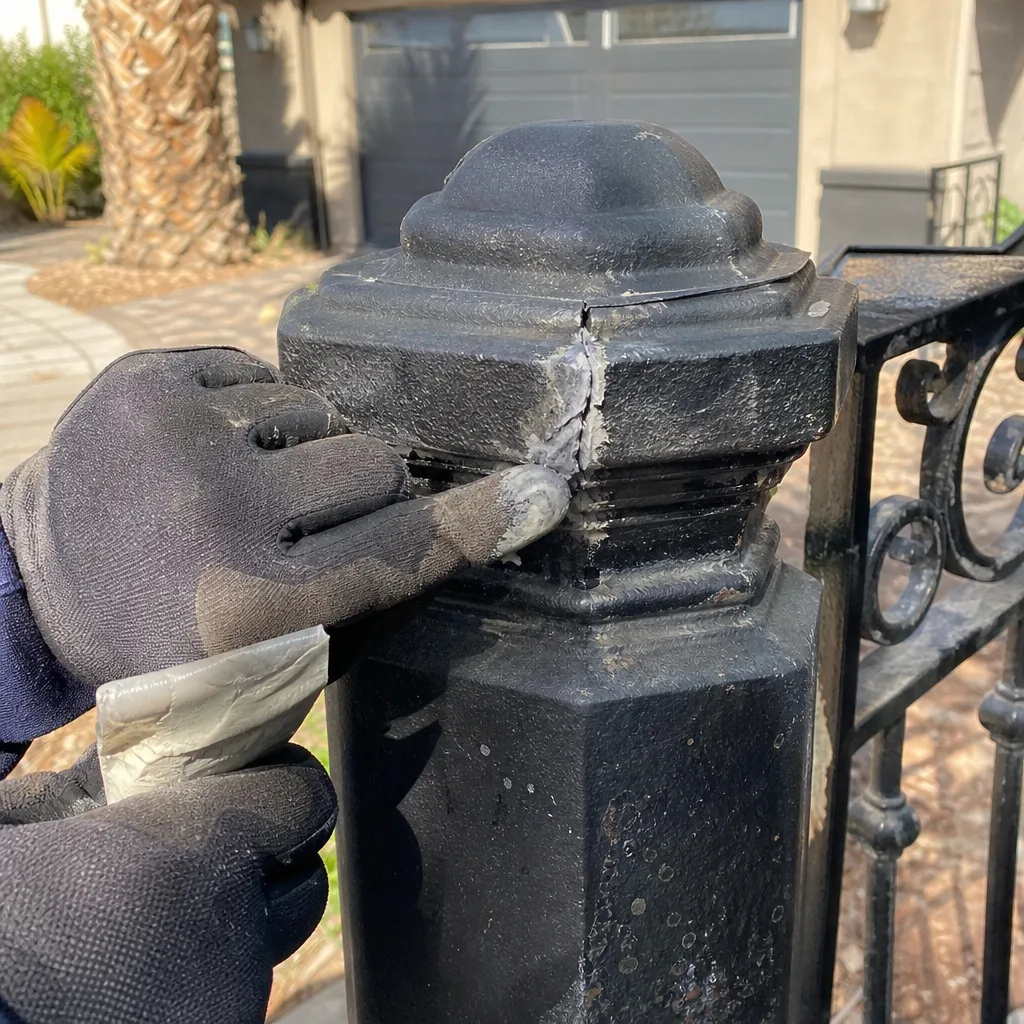
This is the part that separates a diagnostic from an expensive guess. Before anyone replaces a motor, a board, or a battery, there should be documented evidence behind the decision. Here’s what we record on every visit, and what you should ask for from anyone working on your gate.
- Voltage at the motor terminals – not just at the wall. A transformer can read fine at the outlet and sag under load at the motor.
- Supply voltage at the transformer and battery, written down as a number, not “it looks fine.”
- Limit-switch readings – the resistance or continuity reading that confirms whether a switch is actually making contact, plus where the limits are set relative to travel.
- Photos of any corrosion, chafed wiring, or water intrusion at the board, the terminals, and the housing entry point.
- The fault code or blink count observed before clearing, with the model number captured.
When a homeowner has this record on paper, a second technician doesn’t have to re-discover the whole problem from scratch, and nobody pays twice. That’s why our service uses gate installation in Winchester documentation standards on repairs too: a wiring diagram of what was found and what was set, left behind with the gate. If you want a free second opinion on a written estimate someone else gave you, bring the paperwork and we’ll review it at no cost.
What’s Safe to Check Yourself vs. What Requires an Electrician
We’d rather you check the safe three than touch the two that can hurt you. Here’s the honest split.
Three steps that are genuinely safe for a homeowner:
- Manual release and travel test. Use the manual release key or lever, disconnect the operator, and push the gate by hand through its full arc. This validates the mechanical branch without touching a wire.
- Visual photo-eye check. Look for an obstruction, a knocked-out-of-line eye, dirt on the lens, or a misaimed beam. You can realign an eye by eye; you don’t need a meter for a first pass.
- Power-cycle and blink-count. Kill power at the breaker, wait for the controller to discharge, restore power, and count the blinks on the LED. Note the count and the model number. That’s information, not repair.
Two steps that require licensed electrical work or a technician:
- Opening the control enclosure or testing line voltage at the transformer. Line voltage at the board can hurt you, and a mistake on the supply side can damage the board beyond repair. Don’t do this yourself.
- Replacing a battery, capacitor, or board on a live unit. Even low-voltage side work has a correct sequence, and a discharged capacitor or a mis-wired board is a real risk. Have it done properly.
The line is clear: mechanical checks and visual inspection are yours; anything that involves opening the enclosure or metering live circuits is not. If it’s the latter, call a professional.
Why Winchester Heat and Dust Wear Gate Motors Differently
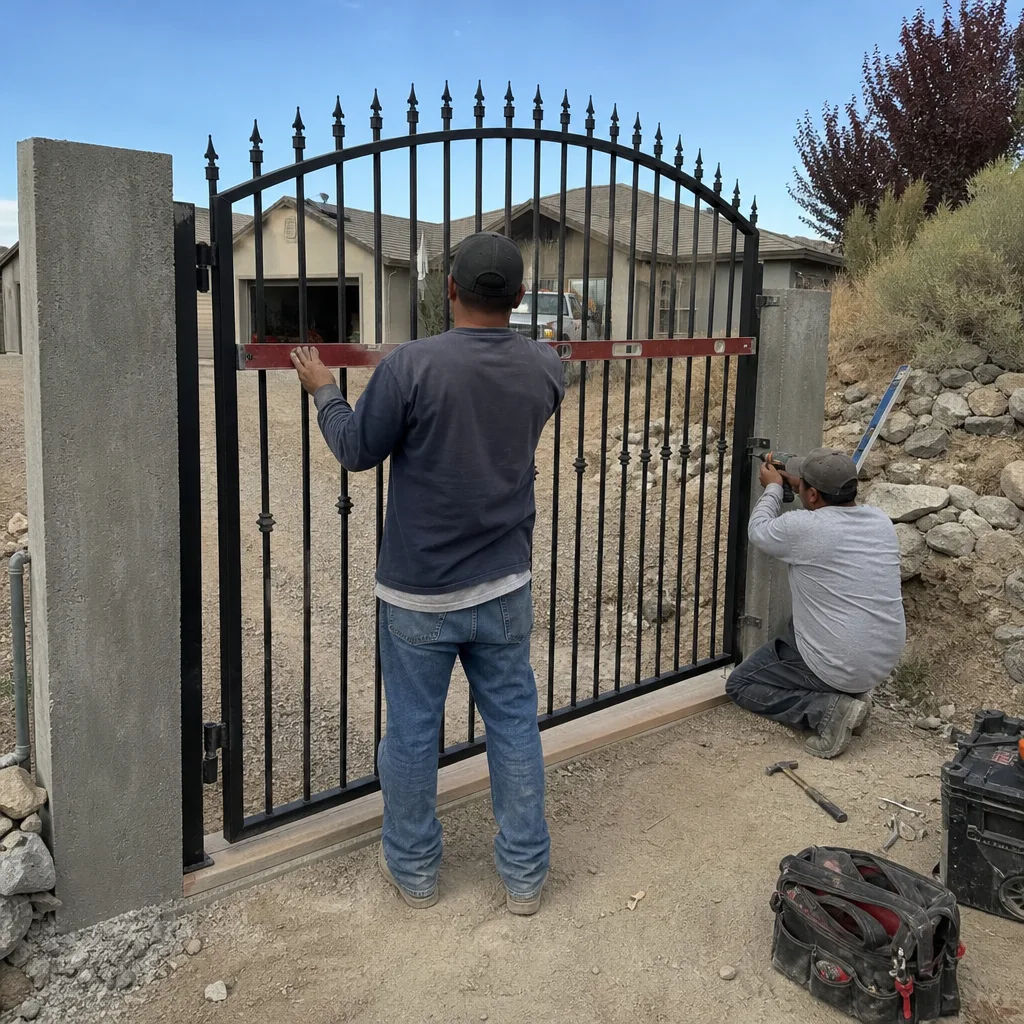
Gates in Winchester live in a specific environment, and it changes the failure pattern from what you’d read in a generic manual. The dry heat and the dust that blows through the valley do two things to operators. First, the dust gets into hinge pins and wheel tracks and turns a free gate into a binding one – which then presents as an “intermittent motor,” because the operator keeps hitting its torque-sensing limit on the bind. Second, sustained summer heat ages batteries and capacitors faster than the manual’s service interval suggests.
In our experience across Winchester, the practical implication is that the mechanical branch fails first and the electrical branch second, and the two get mistaken for each other. A gate that pops its limits every summer is usually a hinge-pin-and-track problem, not a motor problem – which is why we clean and inspect the mechanical side on every call before we ever meter the electronics. If your operator keeps cycling out after a hot spell, have the mechanical side checked before you buy a replacement.
Brand-Specific Notes: Linear, Viking, Ghost Controls, DoorKing
The diagnostic tree is the same across brands, but the way you read the evidence differs, and knowing that saves time.
- Linear operators on residential swing gates are common in Winchester, and their diagnostic LED blink patterns are the fastest path to the control-board branch. Match the blink count to the manual for the model before you clear anything.
- Viking boards separate power and fault indication, which is genuinely useful: a live power LED with no fault LED points you away from the supply and toward the logic. Chafed wiring at the board terminals is a recurring find.
- Ghost Controls units frequently run on solar and battery backup, so the electrical branch deserves extra attention. When the gate gets sluggish or stops mid-travel, check battery state before the motor.
- DoorKing residential and light-commercial operators often give you a clearer display or LED state that distinguishes a hard fault from a soft one, so write down which state you saw.
We work on whatever motor is already on the property rather than steering anyone toward a replacement, and the model number on the board is the single most useful thing to photograph before calling. When the diagnosis points to a real failure on the operator itself, the gate motor & opener page lays out how we handle the repair side.
The Documentation Habit That Stops Repeat Failures
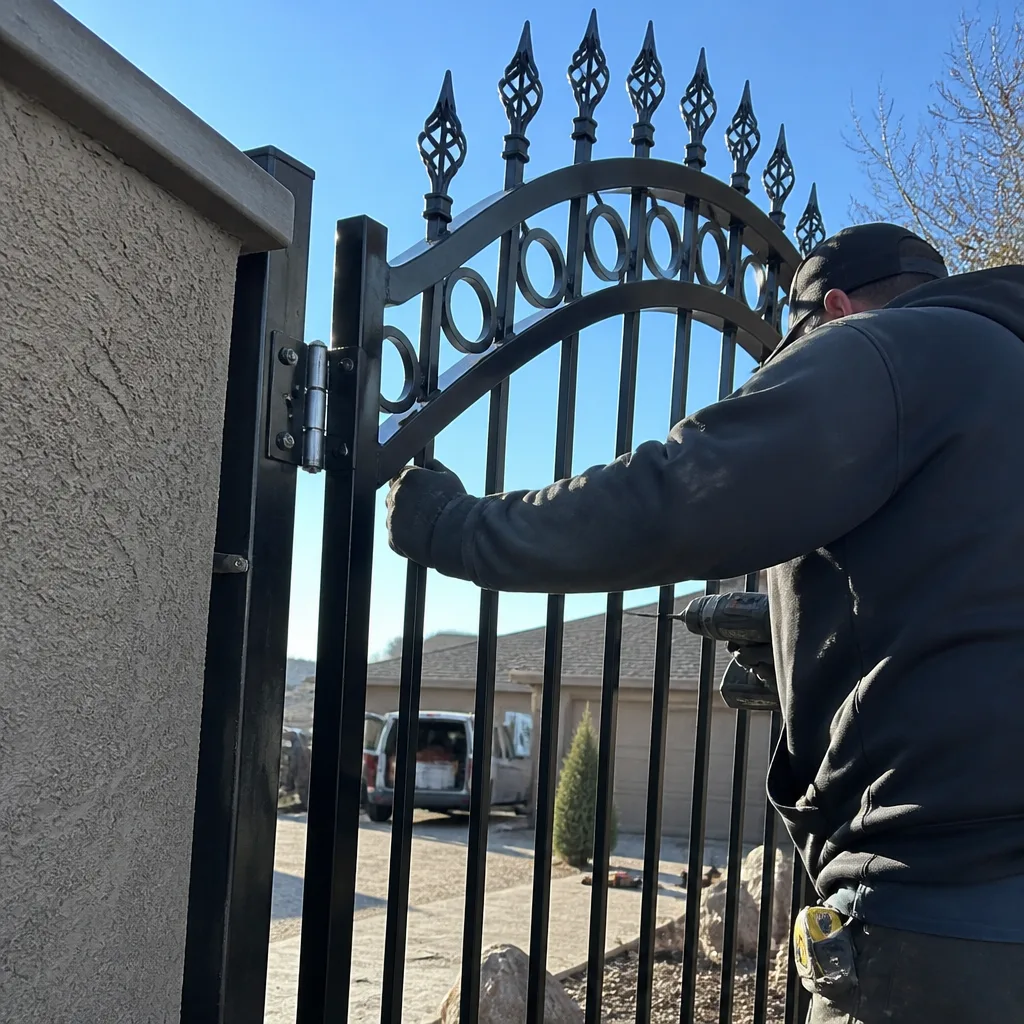
Gate problems come back when nobody wrote down what was found the first time. A technician sets a limit by feel, photographs nothing, and leaves no wiring diagram. Six months later the gate drifts, and the next technician starts from zero – re-metering, re-testing, sometimes guessing – and the homeowner pays to re-discover a problem that was already solved once.
The fix is simple and it’s the whole reason our service runs the way it does: write down the reading, photograph what you found and what you set, and leave that record with the customer. Before we leave any gate in Winchester, you get a photo log of every adjustment and a part number for anything installed. That record is what lets you or any future technician confirm what was done, rather than start guessing. If you’ve been handed a gate with no history, ask for that record – or free second-opinion review of whatever paperwork exists. Start from our Vance Gate Repair Winchester home page to see how the documentation standard applies to every visit.
Common Mistakes to Avoid
- Replacing the motor before checking the gate. If the gate binds, a new motor will bind too. Disconnect the operator and push the gate by hand before you spend a dollar on electronics.
- Clearing the fault before reading the code. A cleared code erases your only diagnostic evidence. Count the blinks, write them down, then clear.
- Assuming a dead battery is a dead motor. On battery-backup and solar units in Winchester’s heat, a battery past its service life reads fine at rest and sags under load. Check the battery first.
- Ignoring a misaligned photo-eye because “it looks fine.” An eye out of line by an inch can hold a gate in a permanent safety stop. Always check alignment before blaming the board.
- Setting limit switches by feel. A limit set past travel will make the gate hit its own stop and bounce, and it will keep happening until it’s reset to spec and photographed.
- Accepting a verbal estimate with no evidence. “Probably the board” is not a diagnosis. Ask for the voltage reading, the limit-switch reading, and the fault code that led to the conclusion.
- Buying a replacement instead of asking whether the operator is repairable. Most of the brands on your gate are repairable, and a part that costs a fraction of a new motor usually fixes the real fault.
See the difference
BeforeAfter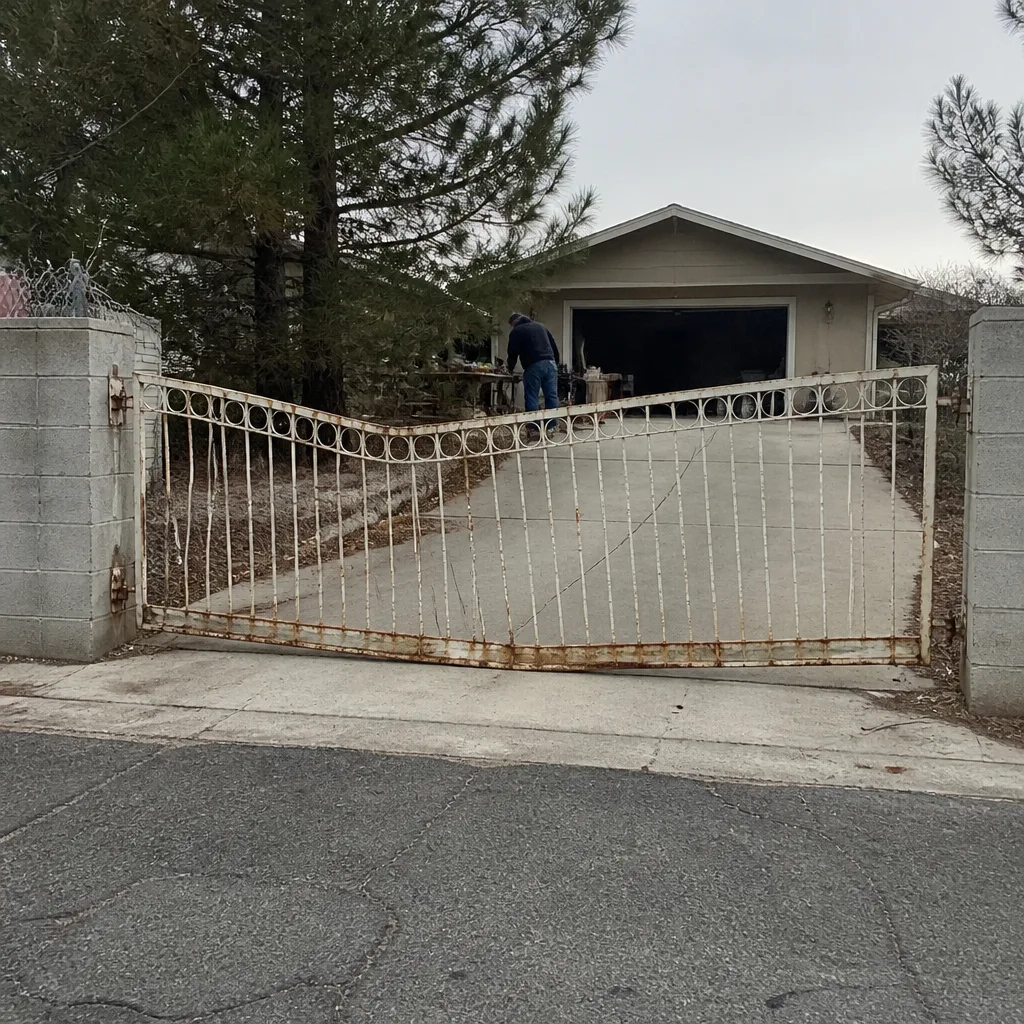 Before
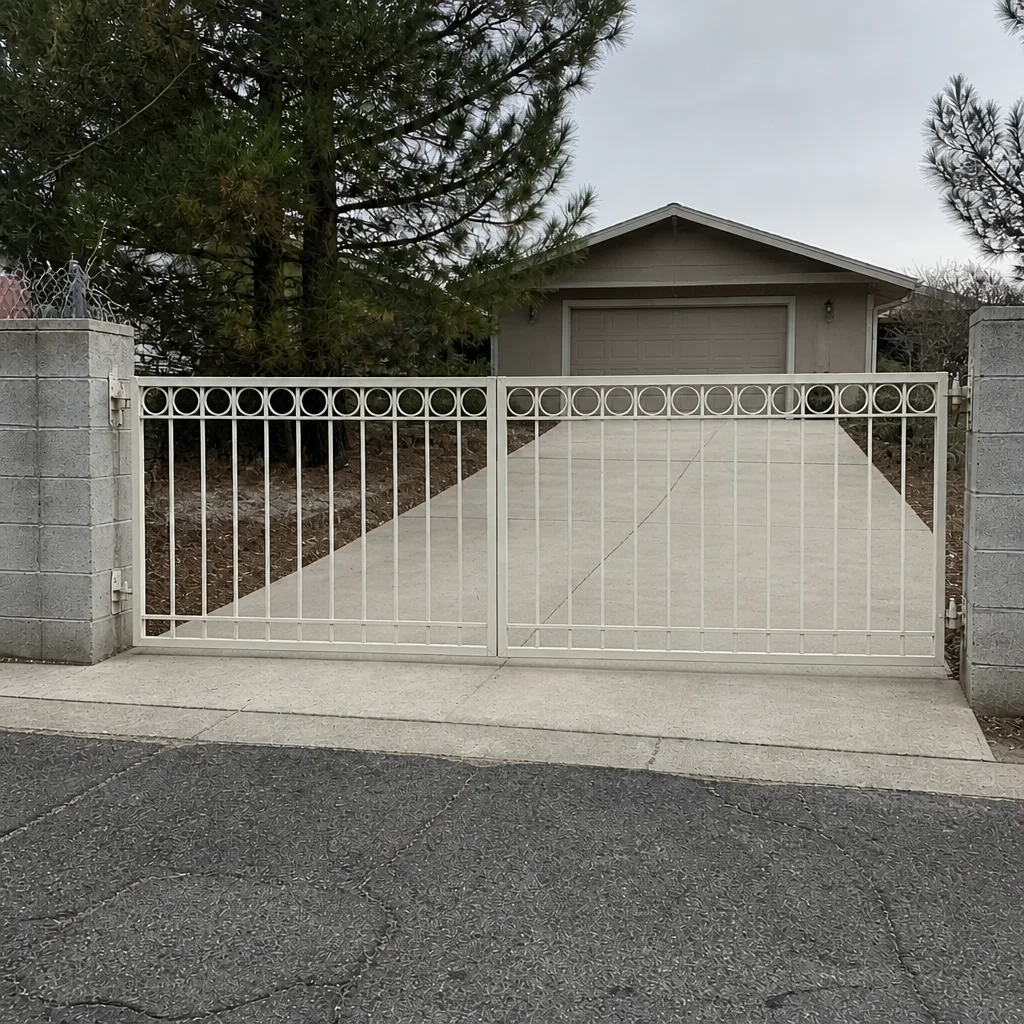 After
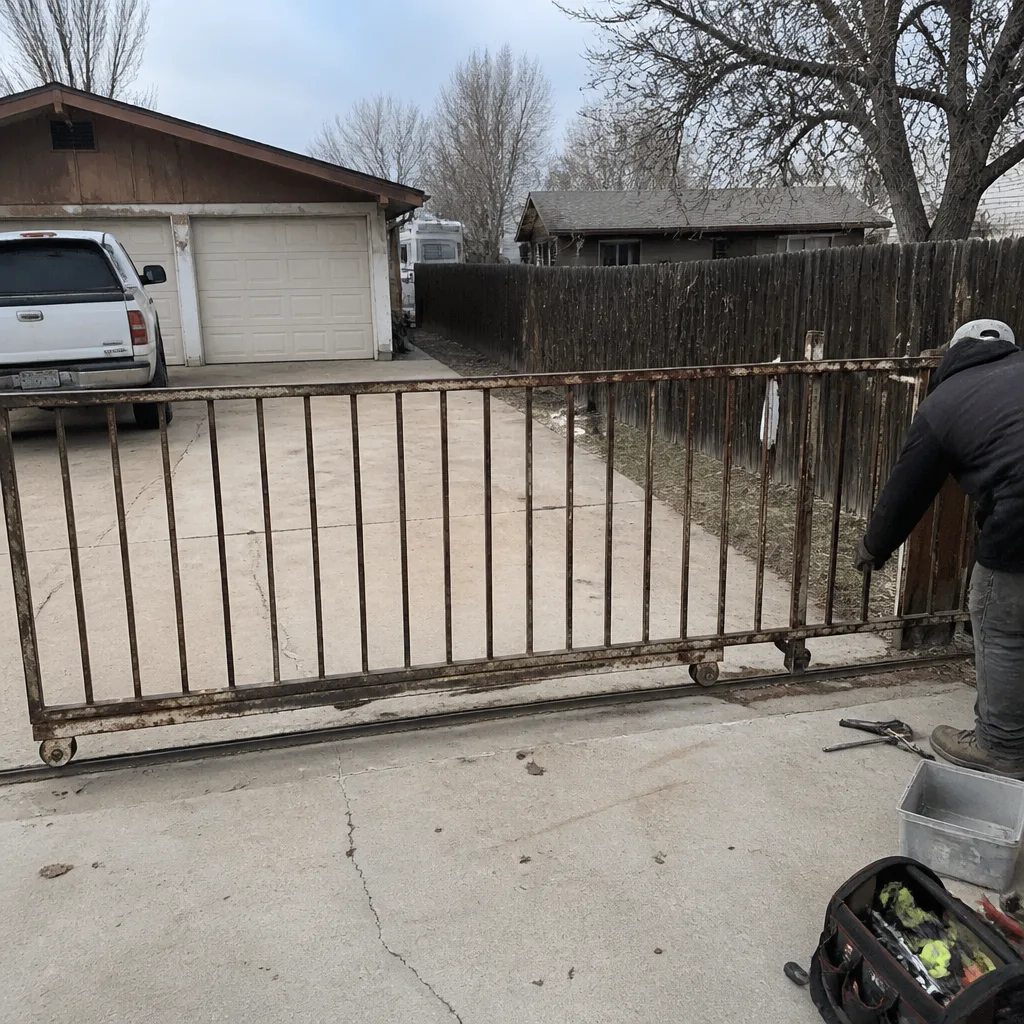 Before
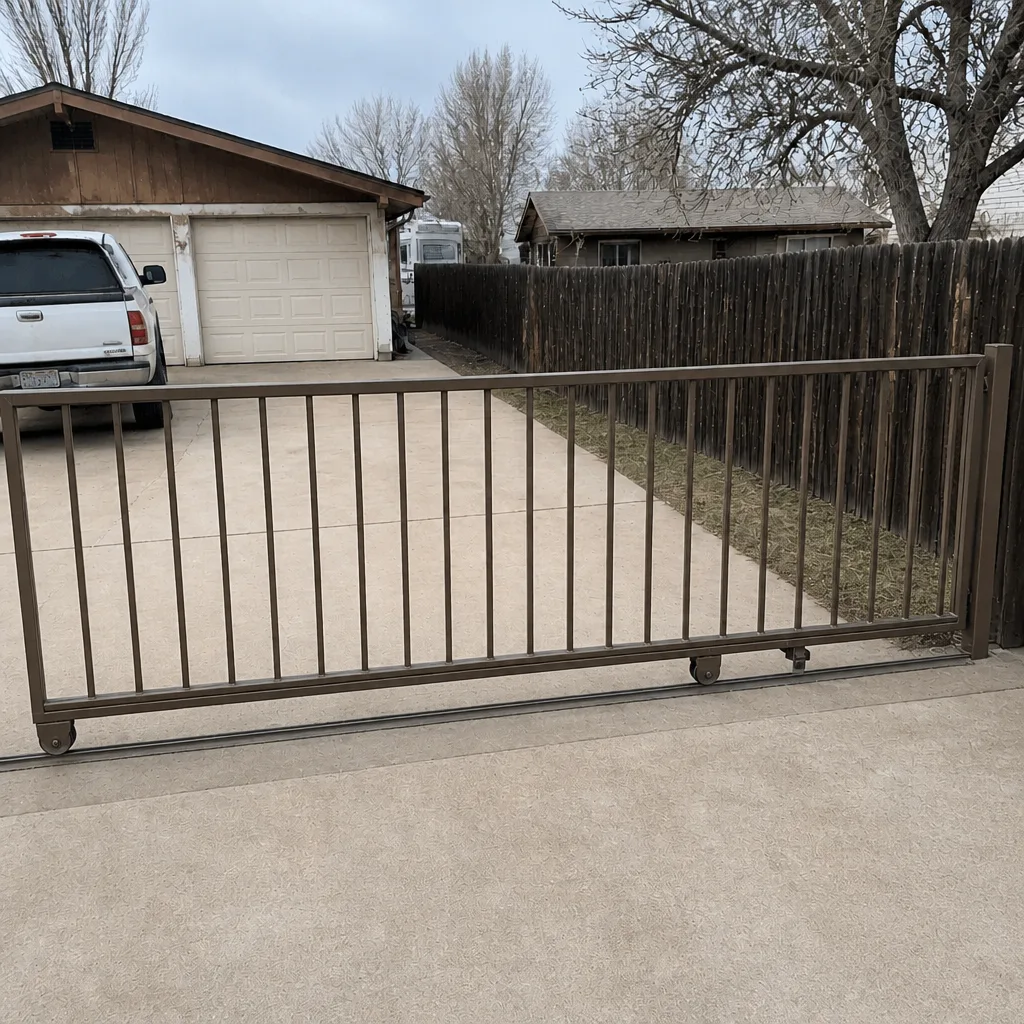 After
When to Call a Professional
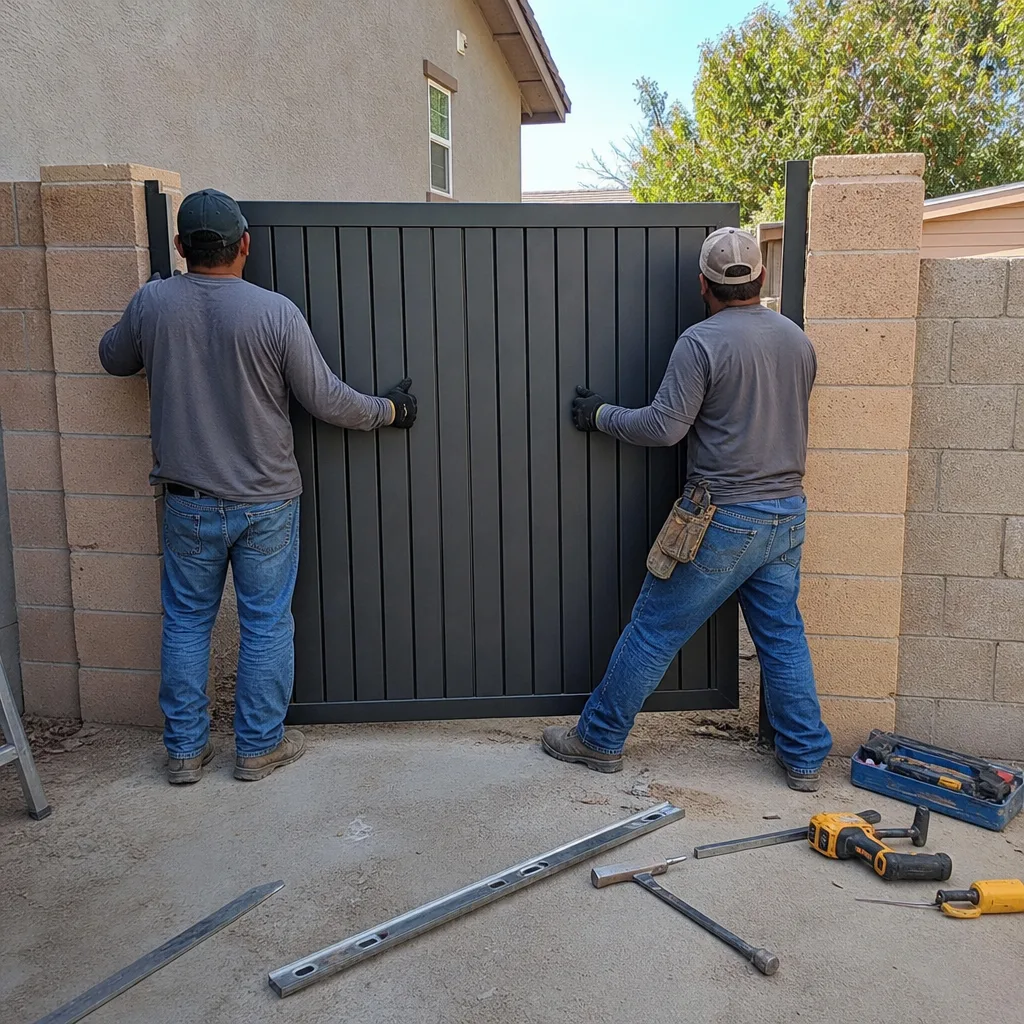
Call us when the fault lives past the safe three: when you’ve disconnected the operator and the gate still binds and you don’t know why, when the supply voltage is wrong and you can’t safely test it, when the fault code points at the board, or when the gate reverses or stops mid-travel and you’ve already checked the photo-eye. Those are the cases where a proper diagnostic earns back the cost of the visit by stopping you from buying the wrong part. Vance Gate Repair Winchester offers free estimates in Winchester – call (866) 983-9213. A live person answers, day or night, and the flat price is written down before anyone picks up a tool.
Frequently Asked Questions
Most gate motor repairs in Winchester run from a few hundred dollars up to the cost of a board or motor replacement at the top of the range, and the number depends entirely on which branch of the diagnostic tree the fault sits in. The price is quoted and agreed in writing before any work starts, so you see the figure before a tool comes out. Call (866) 983-9213 for an exact quote – estimates are free.
A gate that reverses immediately is almost always reporting a safety input, most often a photo-eye (the infrared beam across the path) that’s knocked out of alignment or a shorted safety edge. Check the eye alignment first; if it’s clear and the gate still reverses, the sensor or its wiring needs a technician’s meter. Call (866) 983-9213 and we’ll narrow it down.
Often yes, if you can tell us the model number and the blink count or display state before you clear it. What we can’t do is make a diagnosis from the symptom alone – the code is what makes it specific. If you have the count and the model, call (866) 983-9213 and we’ll tell you what it points to.
Most of the time it’s a failing or reversed photo-eye, because the operator is designed to refuse to close when it thinks the path is blocked. A stuck “open” limit or a close-loop wiring fault is the next most likely. This one usually needs a meter to confirm, so call (866) 983-9213 for a free estimate.
No, and you shouldn’t assume so. The motor is typically the last component to fail – most “dead motor” calls trace to a battery, transformer, limit switch, or sensor instead. We repair the operator that’s already on your gate whenever it’s repairable rather than steering you to a replacement. Call (866) 983-9213 for a diagnostic.
Yes: dry heat and dust age batteries and capacitors faster than the manual’s service interval, and dust in hinge pins and tracks turns a free gate into a binding one that presents as an “intermittent motor.” Have the mechanical side checked each summer before you blame the electronics. Call (866) 983-9213 if the operator starts cycling out in hot weather.
The Bottom Line
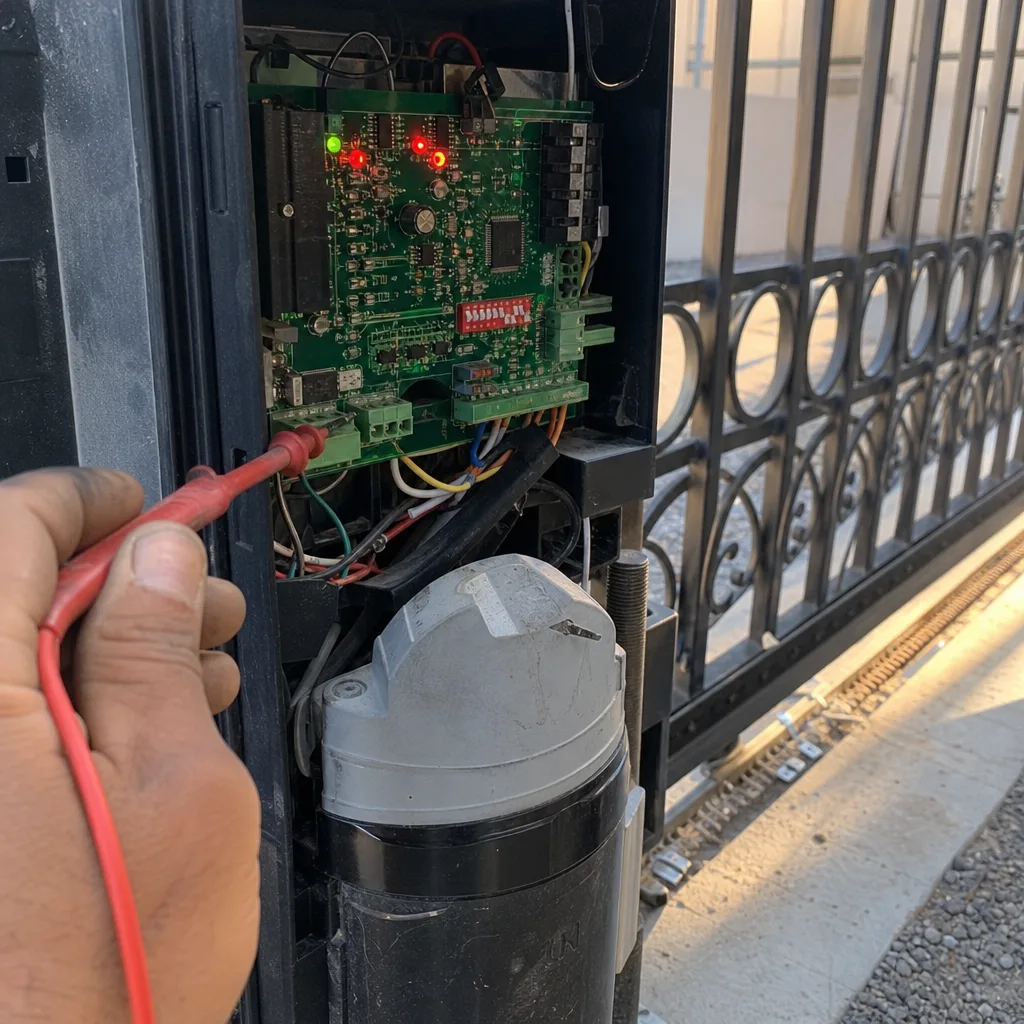
If you take one thing from this guide, take the order: mechanical load, then electrical supply, then control-board logic. Working the branches in sequence is what stops a $6 hinge pin from becoming a $400 motor. Read the fault code before you clear it, keep the evidence – voltage readings, limit-switch values, photos of corrosion – and don’t let anyone replace a part without it. Most of what we find on Winchester gates is repairable, and the honest answer is usually cheaper than a replacement. When the fault goes past the safe checks, call (866) 983-9213 – a live person answers, the price is in writing, and you get a documented record when the technician leaves.
Written by the team at Vance Gate Repair Winchester.