
Last updated November 18, 2026
 Wrought iron
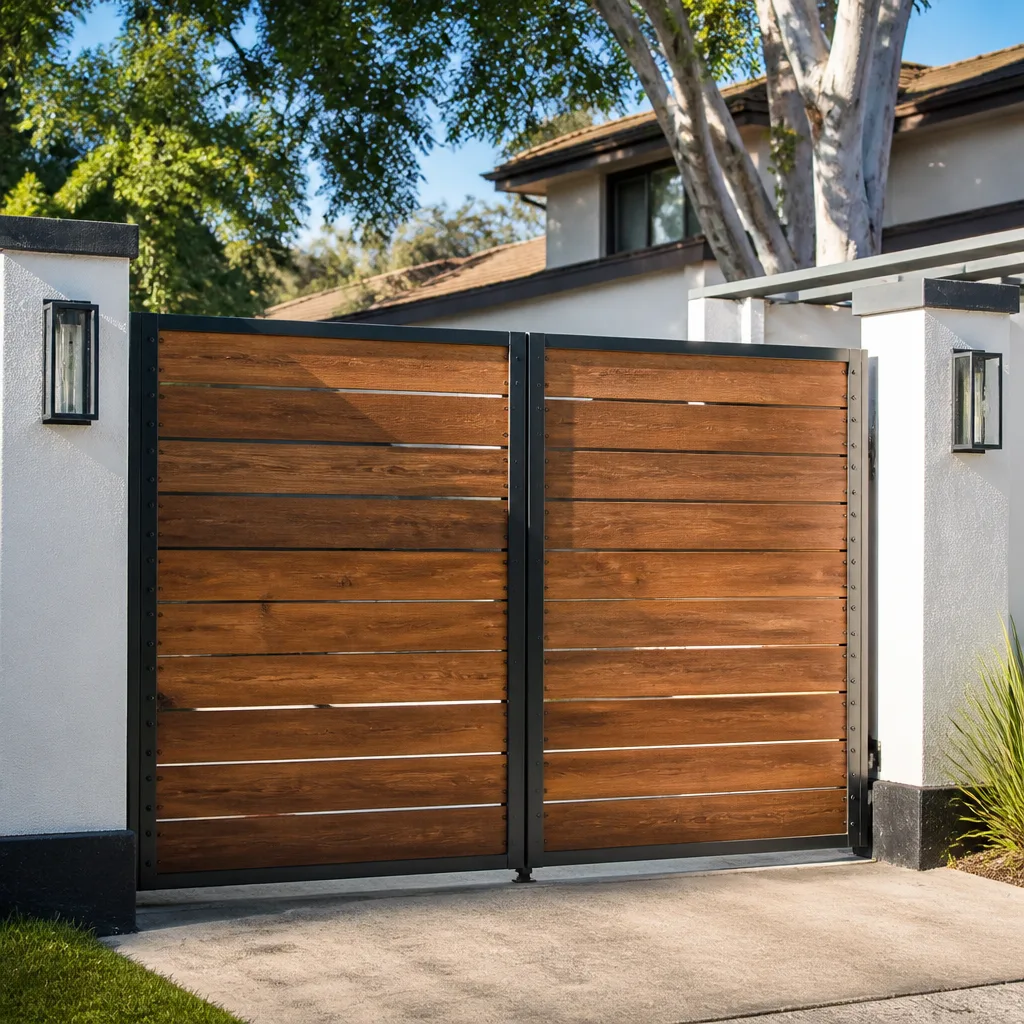 Wood & steel frame
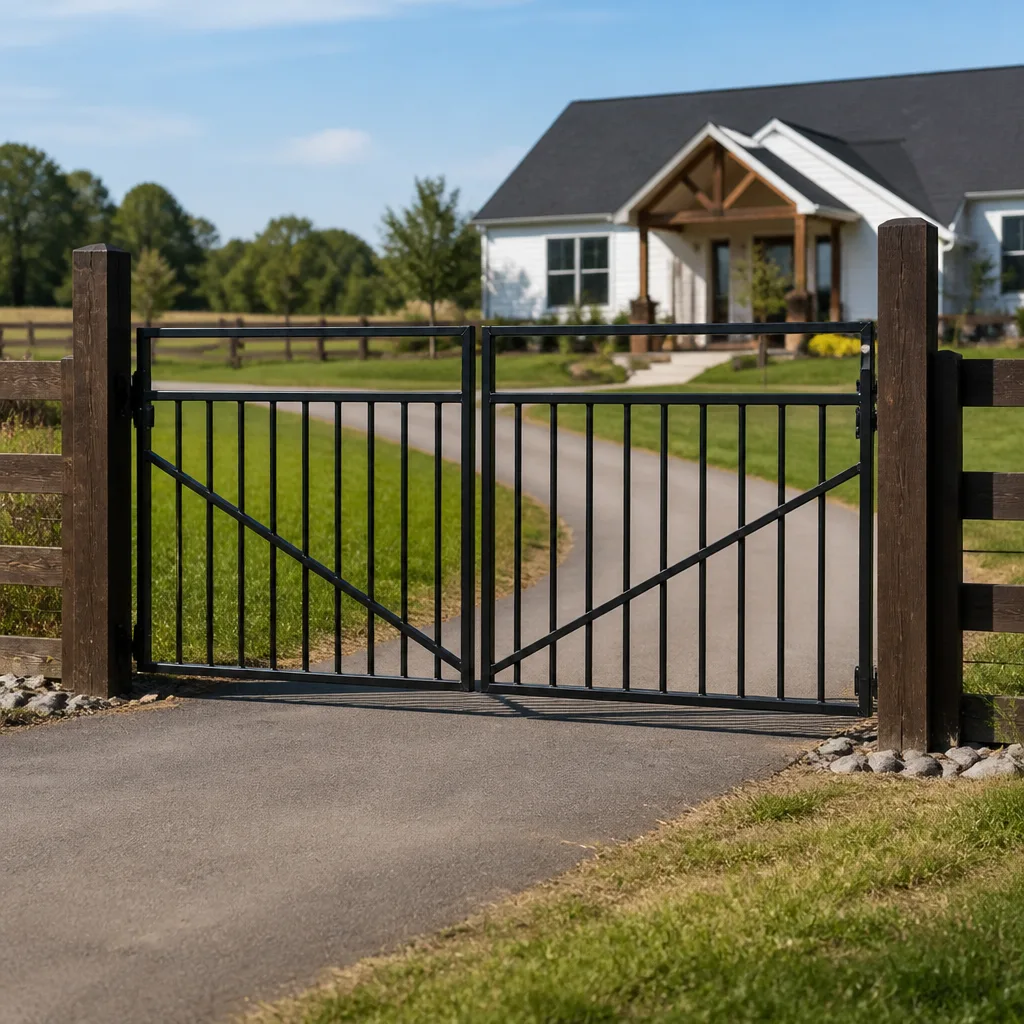 Farm & ranch
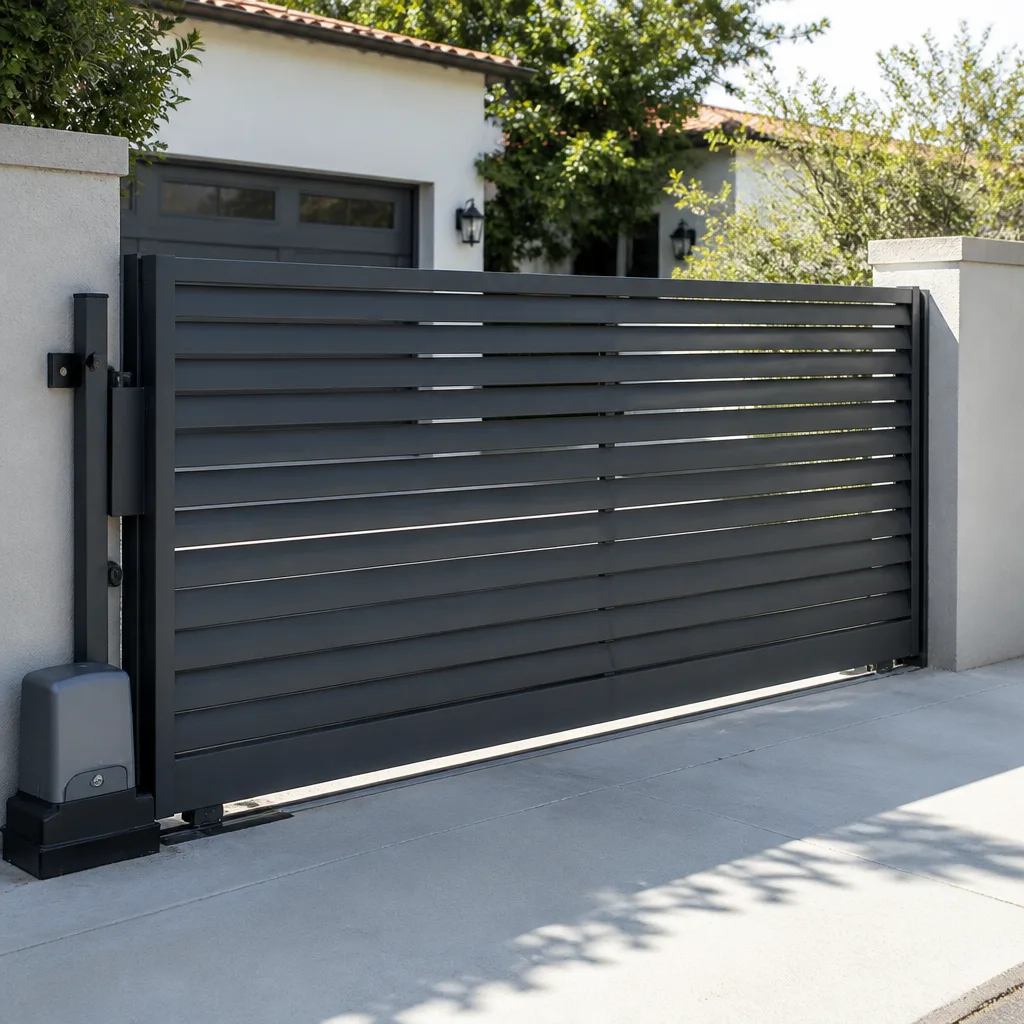 Sliding driveway gates
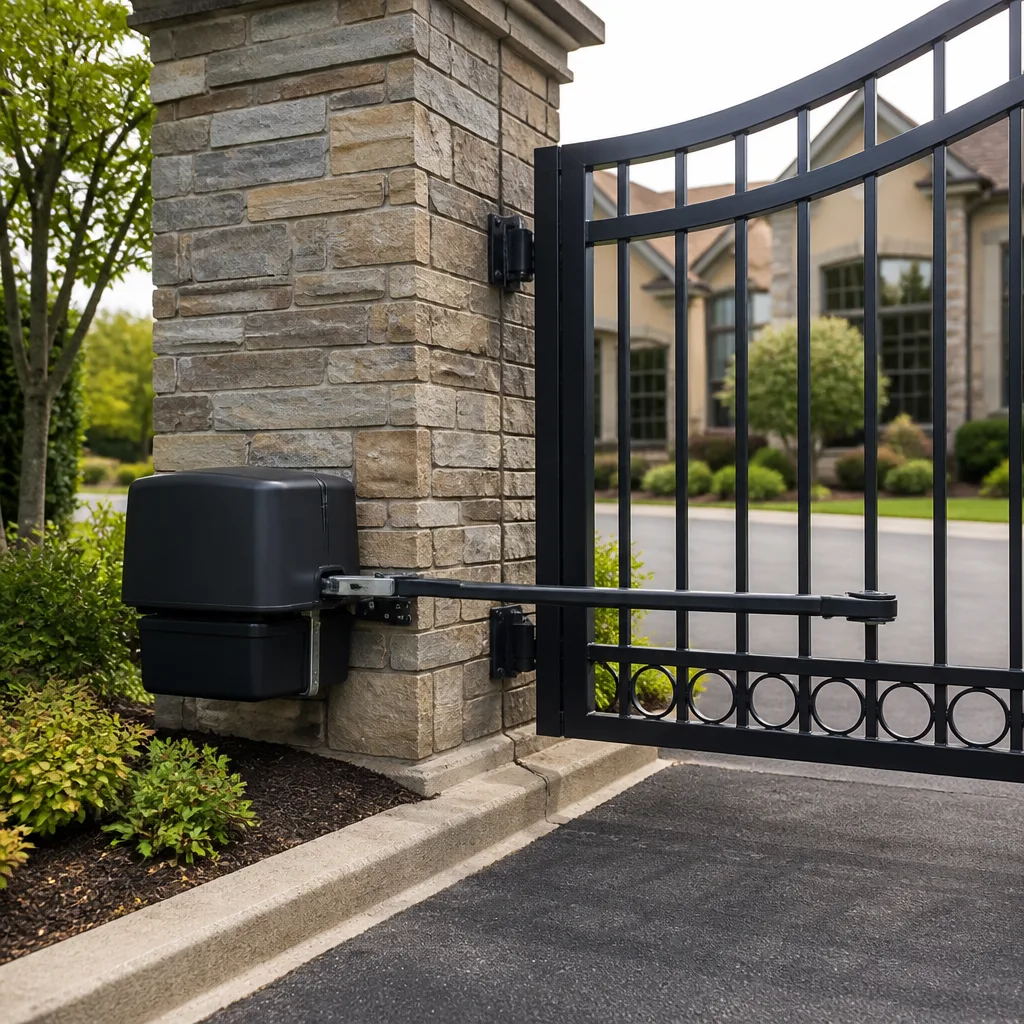 LiftMaster operators
Free on-site gate assessment - hinges, posts, and your LiftMaster or Nice gate operator checked before anything is quoted
The assessment is free and the quote is the invoice.
Get your free estimateDIY vs Professional Gate Repair: The Winchester Homeowner’s Decision Guide
Nevada’s low-voltage exemption lets a homeowner legally splice a 24-volt gate circuit without holding a contractor’s license. What it does not do is make that splice free. An undocumented wire swap – no photo, no diagram, no note on the terminal block – costs the next person who touches the gate two hours of diagnostic time before they can even start the repair. If that next person is a paid technician, the homeowner pays for the search. This guide walks through what’s genuinely safe to handle yourself in Winchester, what isn’t, and how to document a DIY fix so it doesn’t become a mystery for whoever comes after you.
Styles & brands we work with
- Wrought iron
- Wood & steel frame
- Farm & ranch
- Sliding driveway gates
- LiftMaster operators
Quick Answer
In Winchester, four gate repairs are reasonable to do yourself: photoeye alignment, remote pairing, battery replacement in the control box, and hinge lubrication. Four are not: post footing work, limit-switch adjustment on a commercial-grade operator, any hardwired 120-volt connection, and loop detector tuning. The dividing line is not skill – it’s the documentation trail. A repair without a written and photographed record costs more downstream than it saves today.
Table of Contents
- Where Nevada’s Law Draws the Line
- Four Repairs That Are Safe and Cost-Effective as DIY
- Four Repairs Where DIY Creates Liability
- How to Document a DIY Repair
- The Break-Even Math on a $60 Part
- Common Mistakes to Avoid
- When to Call a Professional
- Frequently Asked Questions
- The Bottom Line
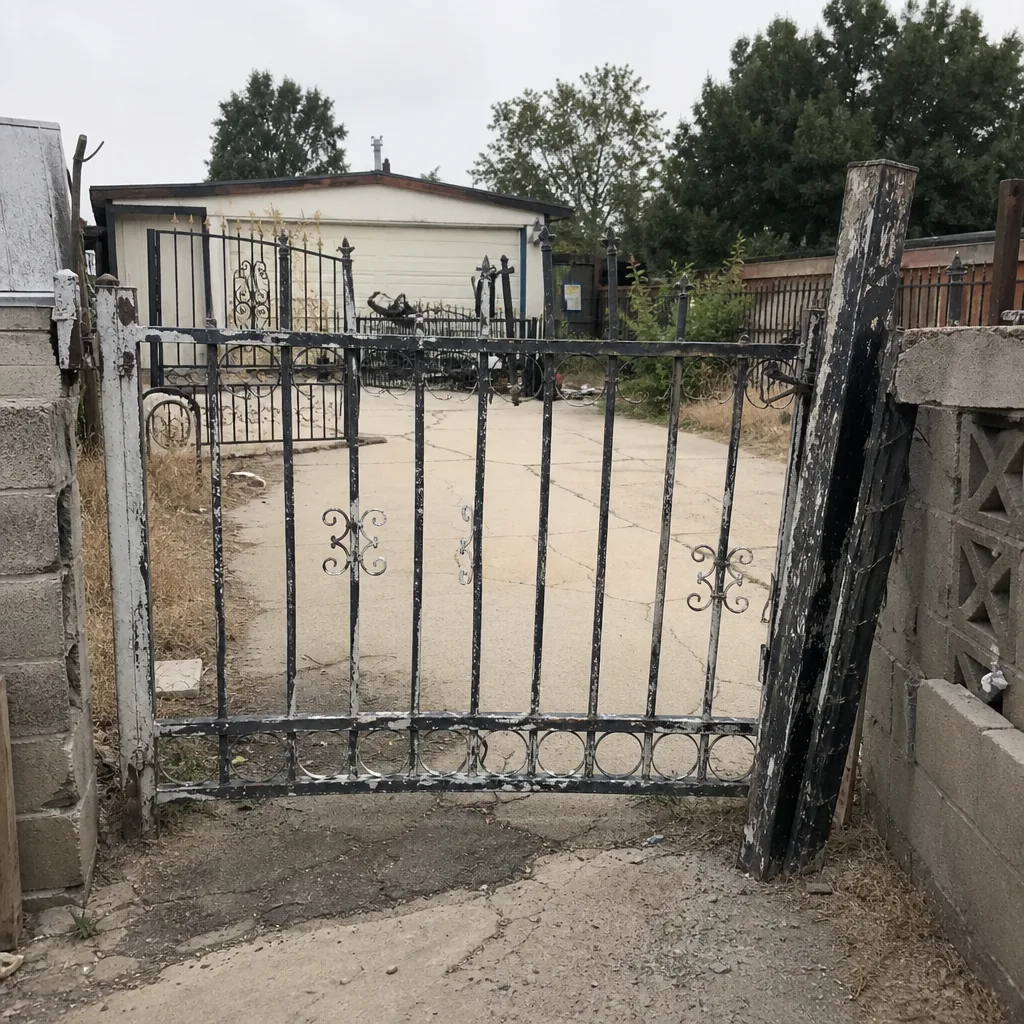 Before
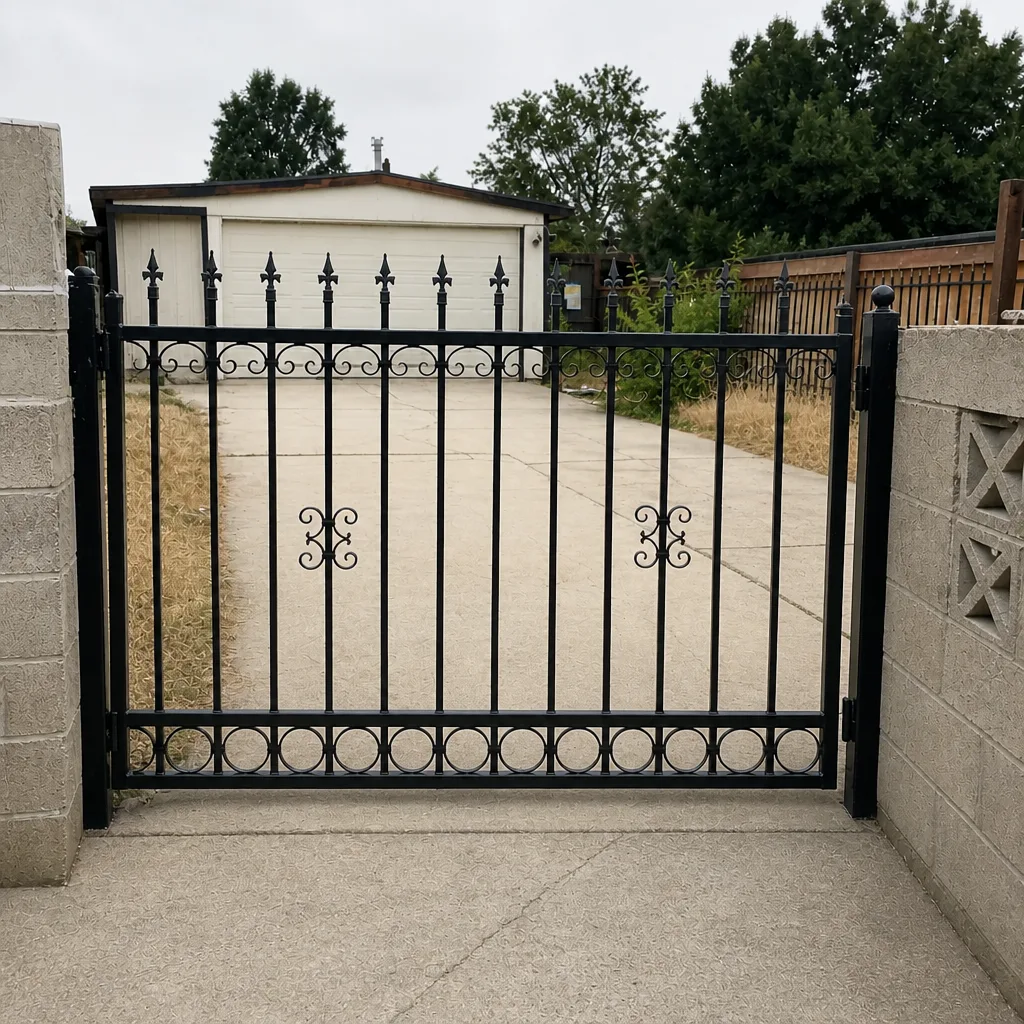 After
Where Nevada’s Law Draws the Line
Nevada’s contractor licensing rules treat low-voltage work very differently from line-voltage work. A 24-volt gate circuit – the control wiring running between a keypad, photoeye, and receiver – falls under the low-voltage exemption. A homeowner can service that side without a license. The moment you’re working on the 120-volt side, that changes. The transformer that steps household current down to 24 volts sits on the hot side of the boundary, and anything from the breaker to the transformer is a licensed electrical job.
That boundary matters more in Winchester than most people realize. The housing stock here spans mid-century ranch homes in the central grid, newer builds in the foothills, and a stretch of 1990s production homes where gate operators were added years after the home was built. In those retrofit cases, the transformer is often tucked into a weatherproof box mounted to the fence post, sometimes fed from an exterior outlet circuit that also feeds landscape lighting. Tracing that circuit back to the breaker panel is not a homeowner job under any reading of the code.
What the exemption does buy you: the ability to swap a photoeye, re-pair a remote, replace the backup battery, oil a hinge, and reset a receiver without calling anyone. What it doesn’t buy you: the ability to make those changes invisible to the next technician.
If you’re unsure whether a given repair crosses the line, our Gate Repair in Winchester page maps out what each class of repair typically involves.
Four Repairs That Are Safe and Cost-Effective as DIY
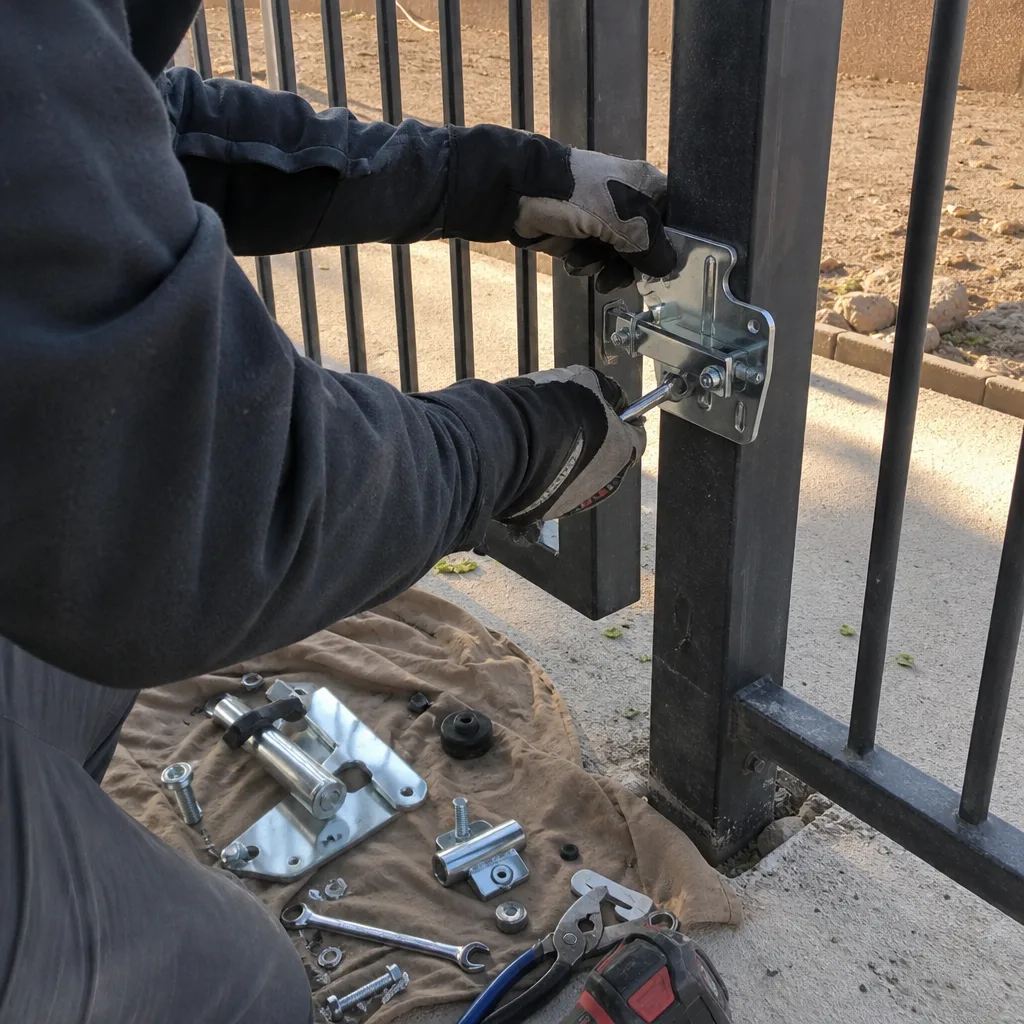
These four repairs show up on our dispatch log more than any others. None of them require touching line voltage, and all four can be finished in under an hour with hand tools.
- Photoeye alignment. The infrared beam that stops the gate if something crosses the path. Two small units face each other across the driveway, and if one is knocked out of alignment by a landscaping crew or a basketball, the gate will reverse mid-travel. Loosen the mounting screws, watch the indicator LED until it goes solid, re-tighten. Ten minutes. Photograph both units before and after – the LED status is the proof.
- Remote pairing. Most residential receivers pair with a two-button sequence documented in the manual. For a LiftMaster or Mighty Mule receiver, hold the learn button until the LED blinks, then press the remote twice. The failure mode isn’t the pairing itself – it’s forgetting the number of remotes already in memory. Write down what you added and the total count.
- Battery swap. Gate operators that run on battery backup use a sealed lead-acid pack that typically needs replacing every three to five years. The swap is unplug-and-replug. Photograph the wiring order before you disconnect. Label the positive and negative leads with tape if the connectors aren’t keyed.
- Hinge lubrication. A swing gate that drags or squeals is usually a dry hinge, not a failing operator. White lithium grease on the pivot points twice a year extends hinge life measurably. Photograph the hinge before greasing if any rust is present – that’s information the next technician needs.
Each of these repairs is a real, defensible DIY. The documentation step is what keeps it that way.
Four Repairs Where DIY Creates Liability
These four are the ones we get called to unwind. The honest framing: in each case, the homeowner had the physical ability to do the work. The problem was what happened after.
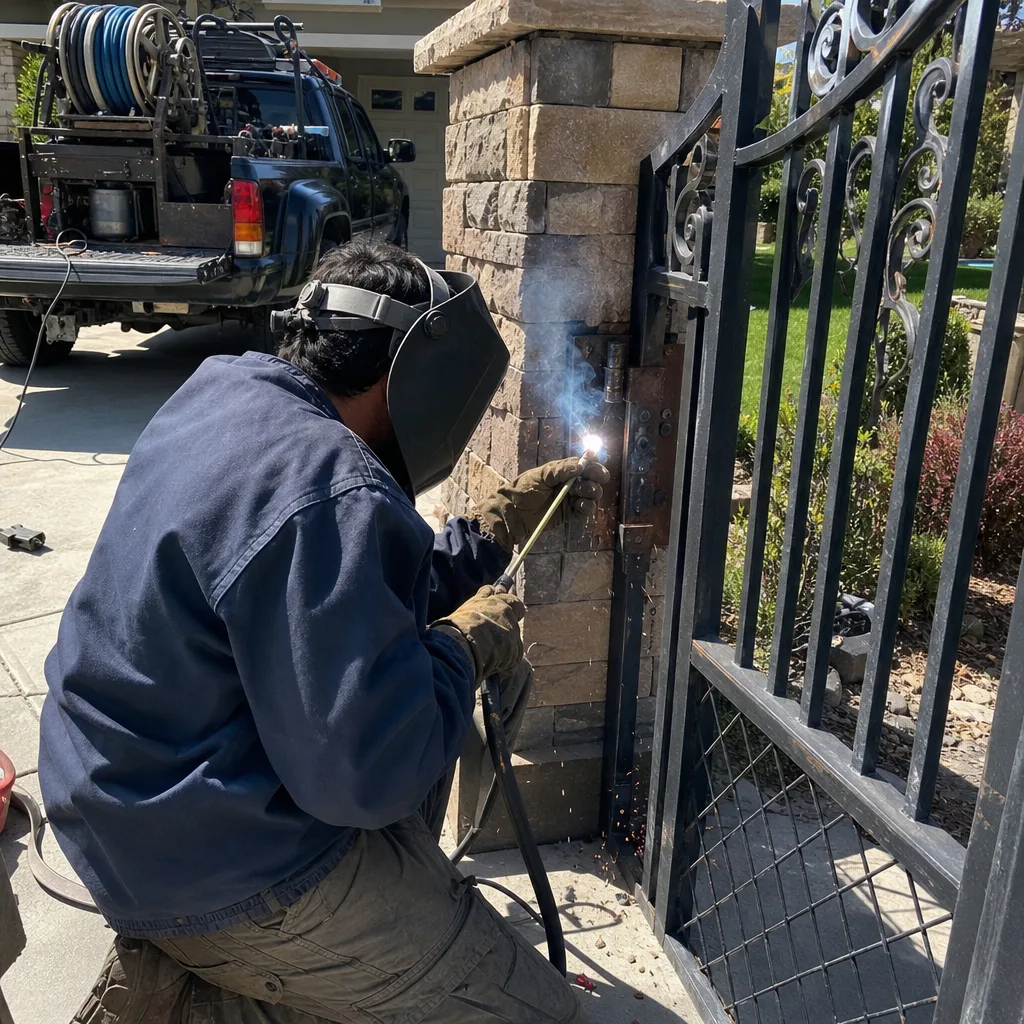
- Post footing work. Setting a new footing for a gate post involves concrete, depth calculation relative to soil type, and the post’s finished plumb. In Winchester’s caliche-heavy soil, a footing that’s undersized for the gate’s swing weight will fail within a season – and the failure mode is the gate leaning into the driveway or into the house. This is also the repair that most often invalidates a manufacturer’s warranty on the operator, because the operator was mounted to a post that met spec when it was installed.
- Limit-switch adjustment on commercial operators. The limit switch tells the operator when to stop travel. On a commercial-grade unit like a DoorKing slide operator or an Elite swing arm, the switch is set at a factory angle and adjusting it wrong burns the motor or, worse, lets the gate overtravel into the stop bracket and crack the frame. We’ve seen limit switches set 12 degrees past travel; we’ve also seen them set short, which causes the gate to reverse before it fully closes. Either way, the fix requires reading the gear-train angle, not guessing.
- Any hardwired 120-volt connection. This is the legal line. A homeowner can work on the 24-volt side; the transformer, the outlet feed, and the breaker are licensed electrician territory in Nevada. No exceptions.
- Loop detector tuning. The in-ground loop that detects a vehicle and holds the gate open runs on an induction circuit. Tuning it requires a meter and a frequency sweep. A mis-tuned loop either fails to detect a car (the gate closes on it) or detects everything including rain (the gate never closes). Neither is a homeowner repair.
For the underlying layout of a full gate access system, our Gate Motor & Opener in Winchester page covers how the motor, receiver, eyes, and loop all talk to each other.
How to Document a DIY Repair
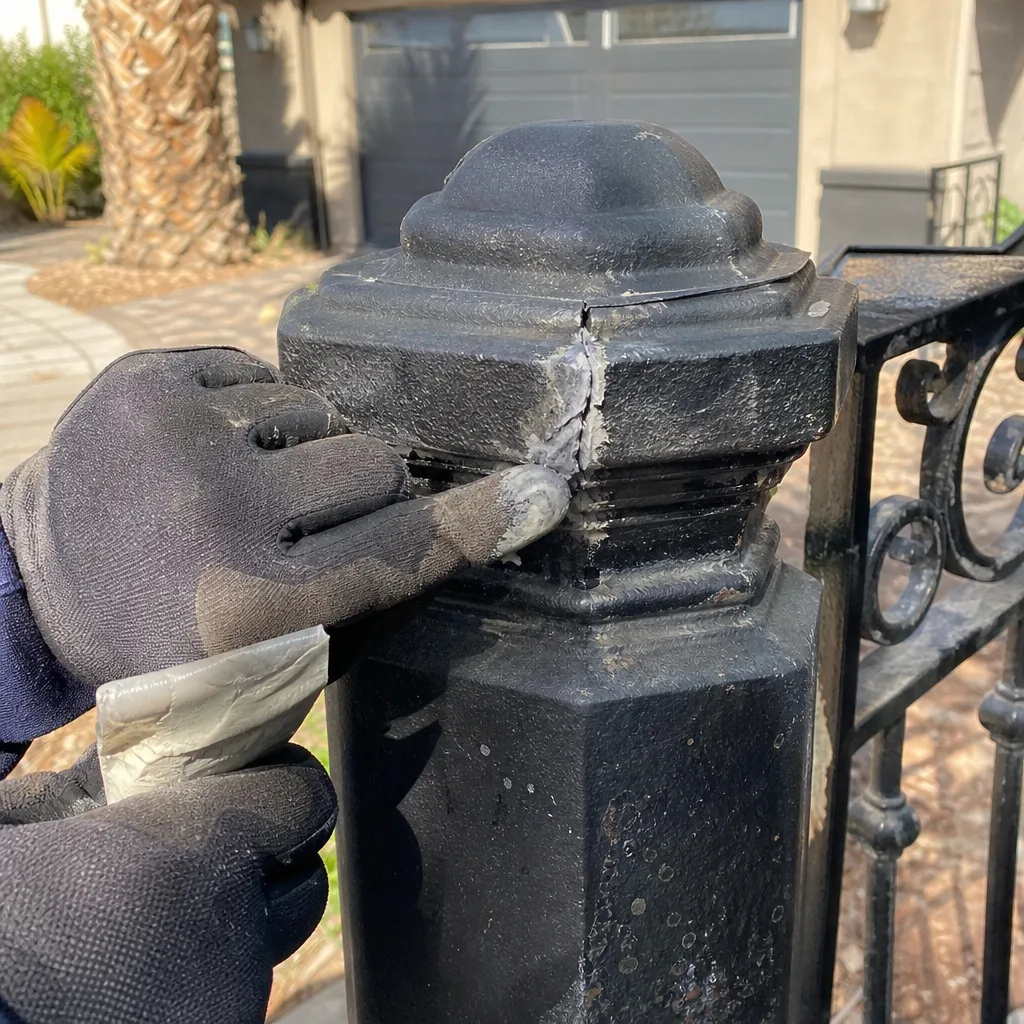
This is the section most DIY guides skip, and it’s the reason a competent homeowner fix can still cost twice. A repair is not finished when the gate works. It’s finished when the next person can understand it in under two minutes.
Here are the three photographs you take before you close the control box, every time:
- Before you touch anything – the full control board. Straight down, even light, all wires visible. This is the baseline. If a wire later falls out, you know where it was.
- The terminal block once you’re done. Same framing as the first shot. Every wire lands in the same terminal it started in, or you know exactly why it changed. If you swapped anything, this photo is your evidence.
- The status LED or display readout. Whatever the board is telling you at the end of the job – steady green, blinking amber, the numeric display – capture it. That reading is the state of the system at the moment you closed the box.
Write three lines on a piece of masking tape and stick it to the inside of the control-box door: the date, what you changed, and the part number if you replaced one. That tape is the difference between a five-minute follow-up and a two-hour hunt. Under the documentation habit we follow on every job (The Haven Standard’s Clause 4 – evidence on every visit), those three photos and the tape line are exactly what we leave on residential gates in Winchester.
The Break-Even Math on a $60 Part
The math that gets missed in the DIY-versus-pro debate is not the part cost. It’s the part cost plus the hours plus the diagnostic cost of what happens next.
A photoeye replacement is a $60 part. Three hours of homeowner time is real, even if you’re not paying yourself. If it goes in clean and is documented, you saved a $180 service call. If it goes in with a wire crossed at the receiver terminal – the wrong signal polarity, easy to do if the new unit is a difference brand than the old – the gate reverses on close, the homeowner assumes the operator is failing, and the technician who arrives finds two problems instead of one. That call is now two hours of diagnostic time plus the actual repair, and the bill lands closer to $340.
Here’s what a service call typically covers in Winchester, so the comparison is honest:
- Photoeye alignment or replacement: $120-$220, including documentation
- Remote pairing and receiver reset: $90-$150
- Limit-switch adjustment on a residential swing operator: $150-$280
- Limit-switch adjustment on a commercial-grade slide operator (DoorKing, Elite): $220-$420
- Battery replacement: $80-$160 including the pack
- Hinge lubrication and stress check: $90-$140
The break-even isn’t a fixed number – it’s a function of how confident you are that your repair will be documented and reversible. If yes, the DIY route wins on the small stuff. If you’re not sure, the $180 service call is cheaper than the $340 follow-up.
When in doubt, do this: Vance Gate Repair Winchester home provides a free second opinion on any written estimate. Bring the photo you took and the tape from inside the box, and we’ll tell you whether the DIY saved you money or moved the cost down the road.
Common Mistakes to Avoid
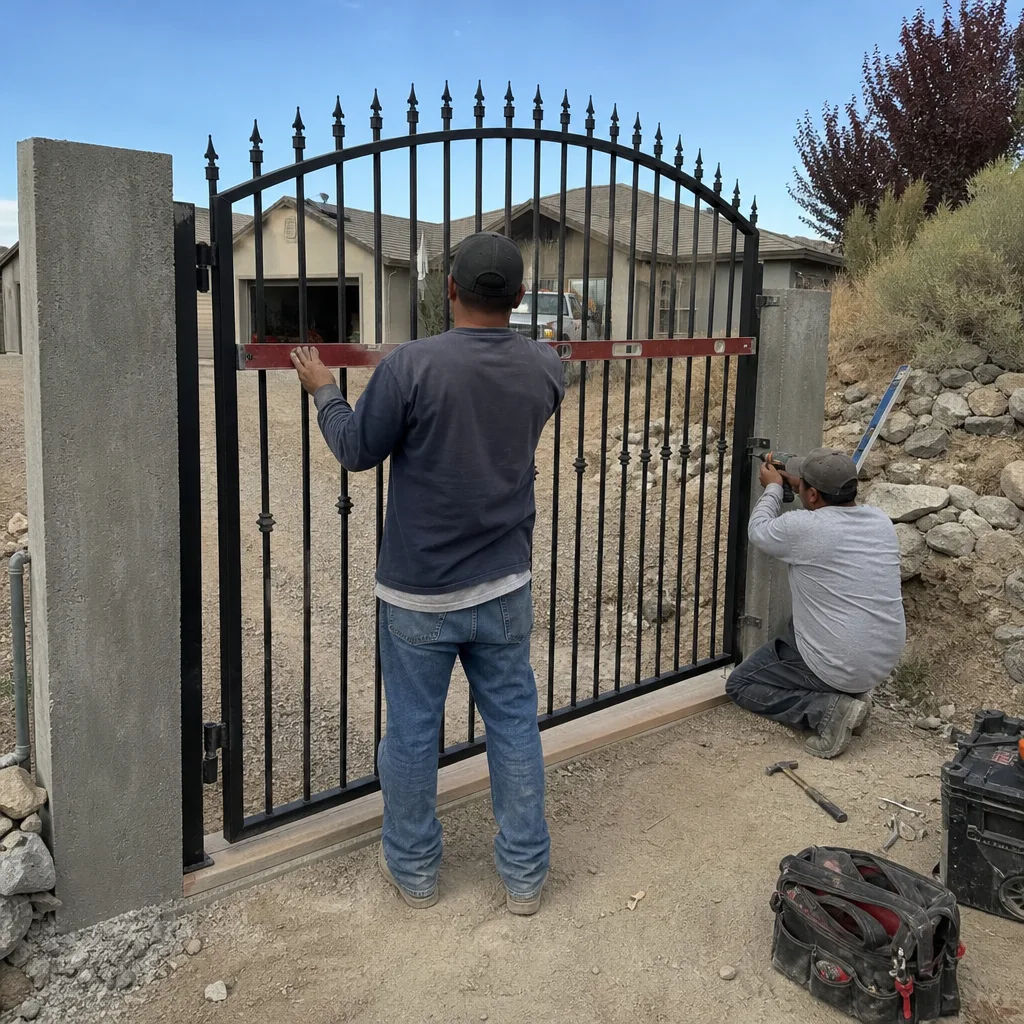
- Working on the transformer because it “looks low voltage.” The transformer’s output side is 24 volts; its input side is 120. It’s the input that’s a licensed job. Two homeowners in Winchester have called us after assuming the weatherproof box on the fence post was all low-voltage – it wasn’t.
- Replacing a photoeye with a different brand without checking the receiver. Photoeyes and receivers are matched pairs. A LiftMaster photoeye on a Mighty Mule receiver will not talk. Match the manufacturer of the eye to the operator, or replace both.
- Adjusting the limit switch by trial and error. Each retry cycles the motor against its stop. On a commercial operator with a cast gear-train, that’s how a $28 switch becomes a $400 gearbox. Read the angle from the manual and set it once.
- Over-greasing a hinge in summer heat. Winchester summers push grease past its working temperature and it runs down the post. A thin coat twice a year beats a heavy coat once. If the hinge has visible rust, grease hides it from the next technician – photograph it first.
- Forgetting the operator counts total remote memory. Pairing a new remote to a full memory dumps the oldest one. If the homeowner’s neighbor had a spare on file, that spare now opens the gate. Note the count and which remotes are active.
- Removing a safety edge to “test” the gate. Safety edges (the rubber strip on the gate’s closing edge) are wired to stop the gate on contact. Bypassing one to isolate a fault is diagnostic work, not a repair. The gate is dangerous until it’s back in place and verified.
- Concrete work in the wrong season. Footing repair poured in Winchester’s January cold or in the July heat cures unevenly. If the post is the problem, the schedule is a professional call, not a weekend one.
When to Call a Professional
Call a professional when the repair involves line voltage, structural concrete, commercial-grade operator tuning, or when a “small fix” has already required a second attempt. Also call when the gate is on an access-control system tied to a keypad, intercom, or a property-management network – the integration layer is where DIY work most often creates a downstream mystery. Our technicians have up to 12 years of experience across nine major automation brands, including DoorKing, Elite, Mighty Mule, and LiftMaster, so whatever motor is already on your property, we can work on it without steering you toward a replacement. Vance Gate Repair Winchester offers free estimates in Winchester – call (866) 983-9213. Every job begins with a flat price written and handed over before any work starts, and every visit ends with a photographic record of what was found, what was set, and what was installed.
Frequently Asked Questions
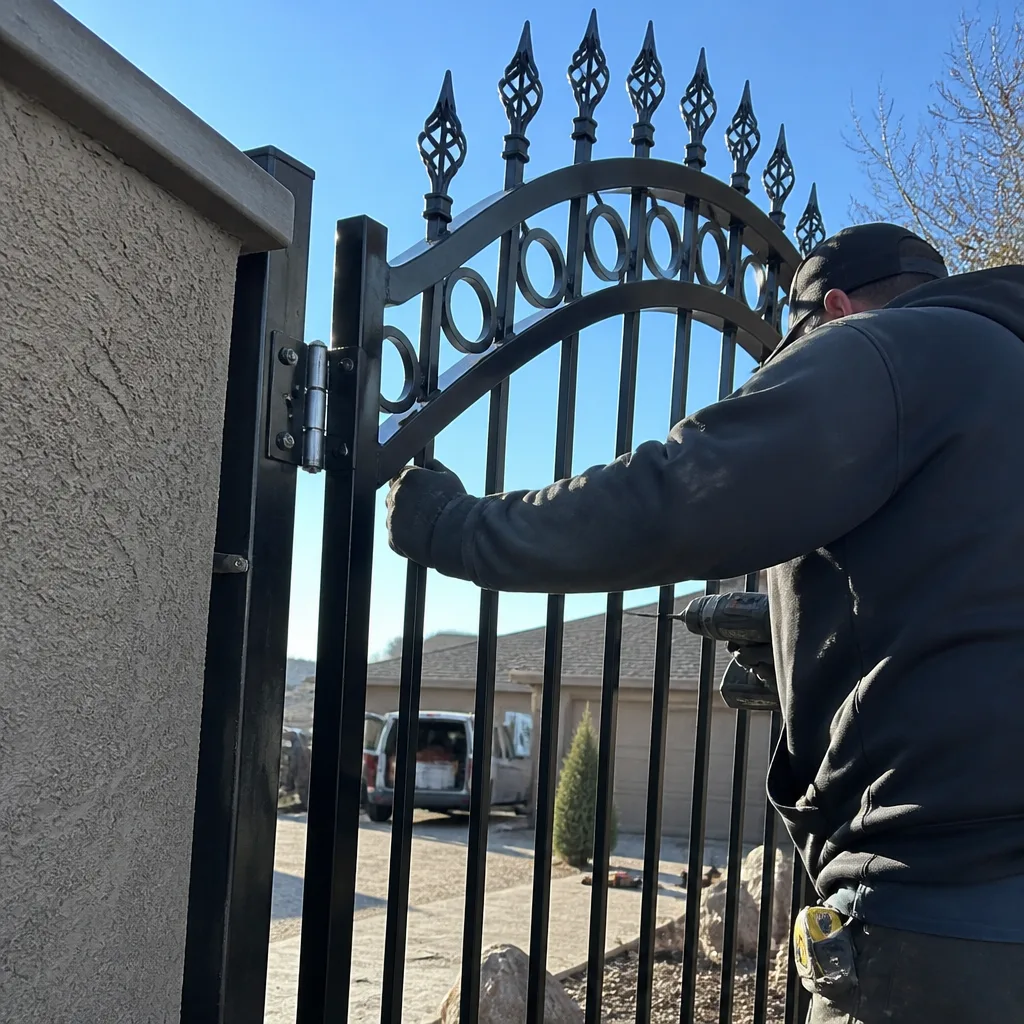
Yes, for low-voltage work. Nevada’s contractor licensing rules exempt 24-volt gate circuits, which covers photoeyes, remotes, batteries, and hinge lubrication. Anything touching the 120-volt side – the transformer, the outlet feed, or the breaker – requires a licensed electrician. The line is at the transformer, not at the operator.
Most residential gate repairs in Winchester run $120 to $340, depending on the part and the diagnostic time involved. Limit-switch work on a commercial-grade operator runs higher, typically $220 to $420. We write the flat price before any work starts, so the number on the page is the number on the invoice.
Yes. Our line is answered by a live person 24 hours a day, seven days a week, and we dispatch same-day for gates that are stuck open or closed. Call (866) 983-9213 and we’ll tell you the arrival window on the call – not after a callback queue.
Three things, minimum: the full control board before you touch anything, the terminal block once the repair is complete, and the status LED or display readout at the end of the job. Add a tape note inside the control-box door with the date and what changed. Those three photos plus the note save the next technician a diagnostic hour.
We service nine major gate-automation brands – LiftMaster, FAAC, BFT, Linear, Viking, Ghost Controls, DoorKing, Elite, and Mighty Mule – so we work on whatever motor is already on the property. We don’t steer toward replacement when repair is the answer.
If a completed repair is not right, we make it right at no additional charge within one full year of the work. No argument, no fee. Call (866) 983-9213 – the estimate is free and the promise applies to every job.
If you’re planning a new gate rather than a repair, our Gate Installation in Winchester guide walks through what a full installation includes, including the power run and safety-edge wiring.
The Bottom Line
The DIY-vs-pro question for gate repair isn’t about whether you can turn a wrench. It’s about what happens to the record when you close the control box. Four repairs – photoeye, remote, battery, hinge – are genuinely safe, genuinely cost-effective, and legitimate DIY in Winchester. Four are not, and the dividing line runs through line voltage, structural concrete, commercial-grade tuning, and loop circuitry. In every case, the documentation is what determines the true cost. Photograph the board, photograph the terminals, photograph the status LED, tape a note inside the door. If you can’t do that, the $180 service call is cheaper than the diagnostic hour it saves.
When the repair is past the safe DIY line – or when a small fix has already needed two attempts – call Vance Gate Repair Winchester at (866) 983-9213 for a free estimate. We hand over the written price before anyone picks up a tool, leave a photo record on every visit, and back the work with the 365-Day Done Right Promise. Whatever gate motor is on your property, we’ve probably worked on the same model. The line is answered by a live person at any hour.
Written by the team at Vance Gate Repair Winchester.
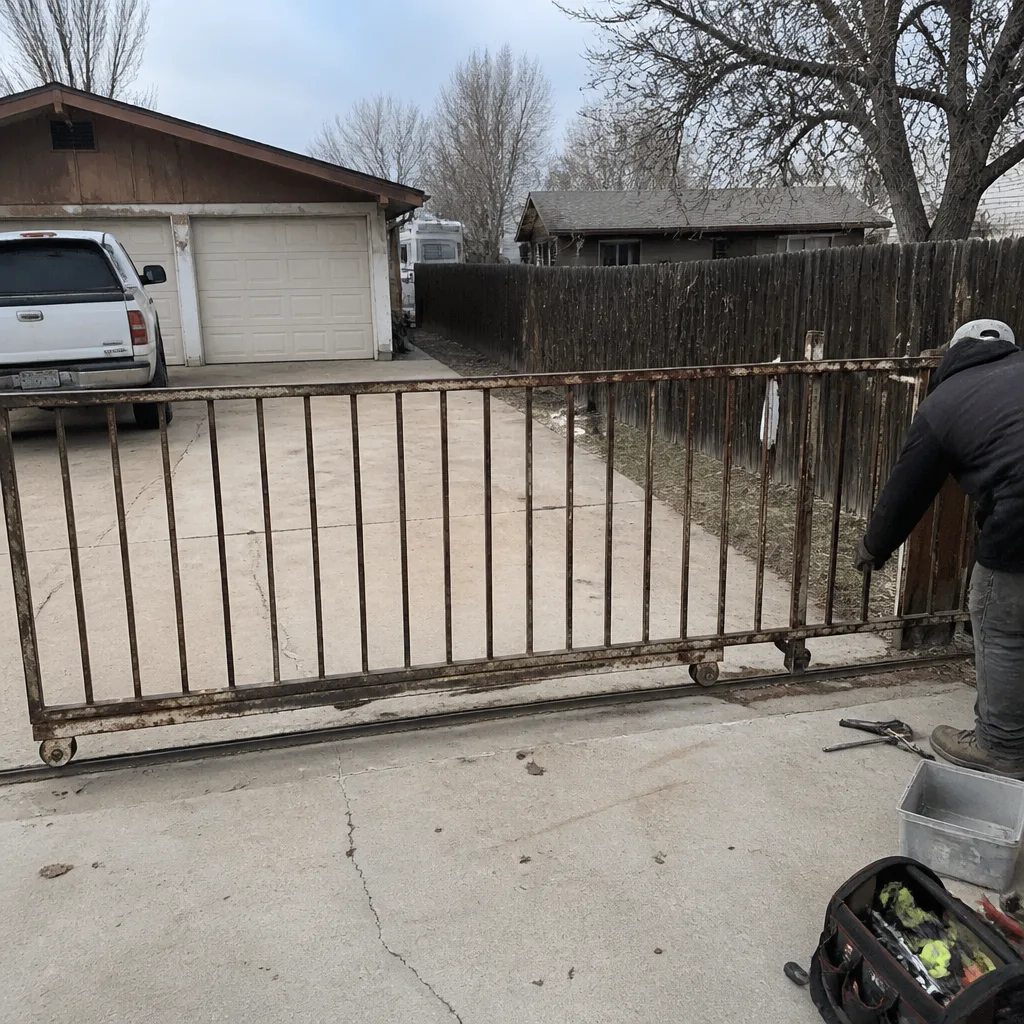
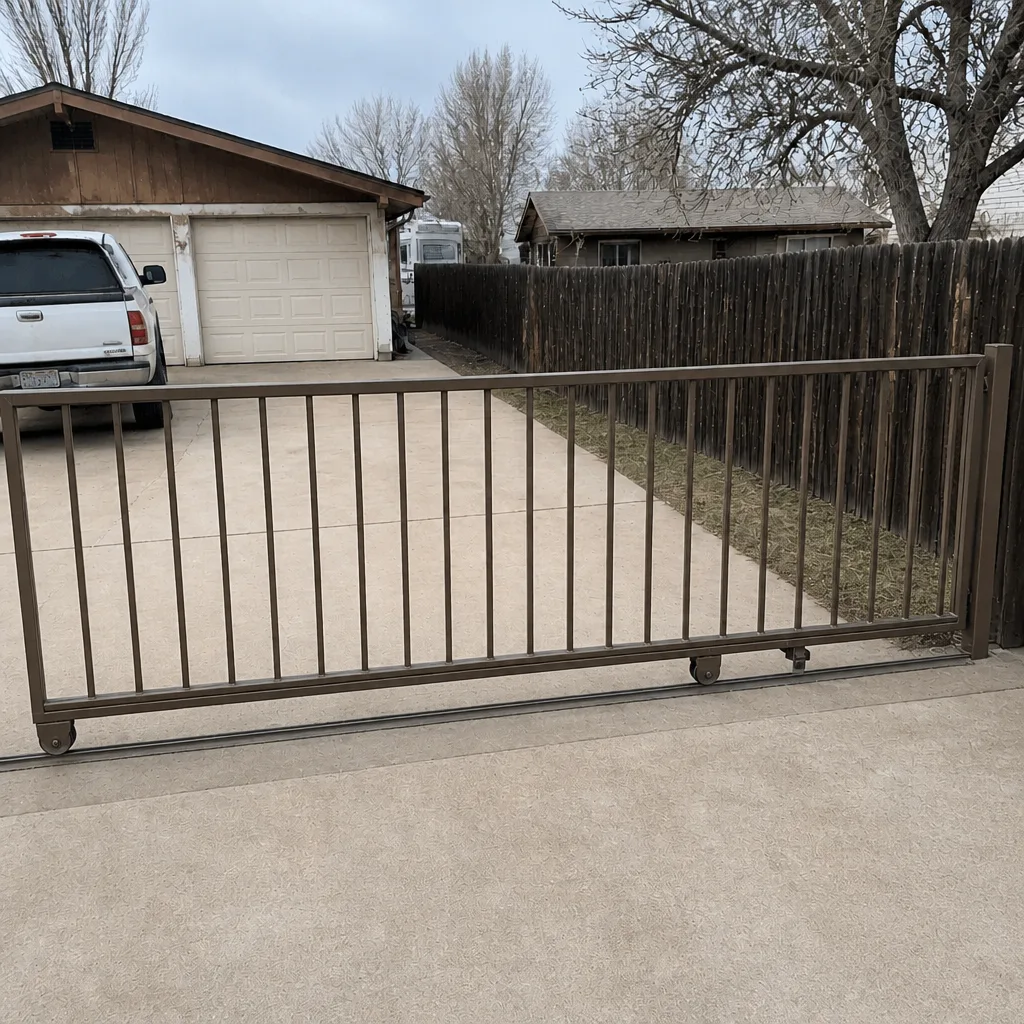
See the difference
BeforeAfter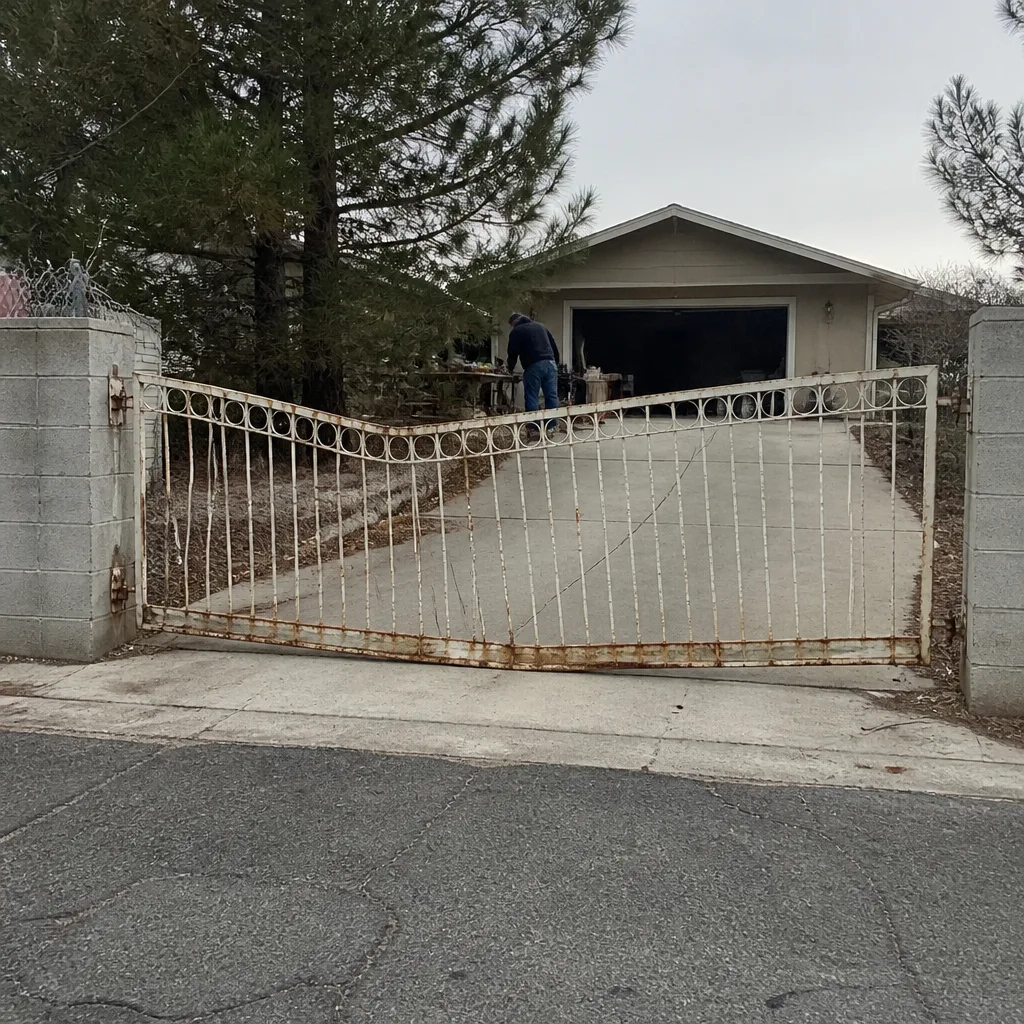 Before
 After
 Before
 After