
Last updated November 18, 2026
 Wrought iron
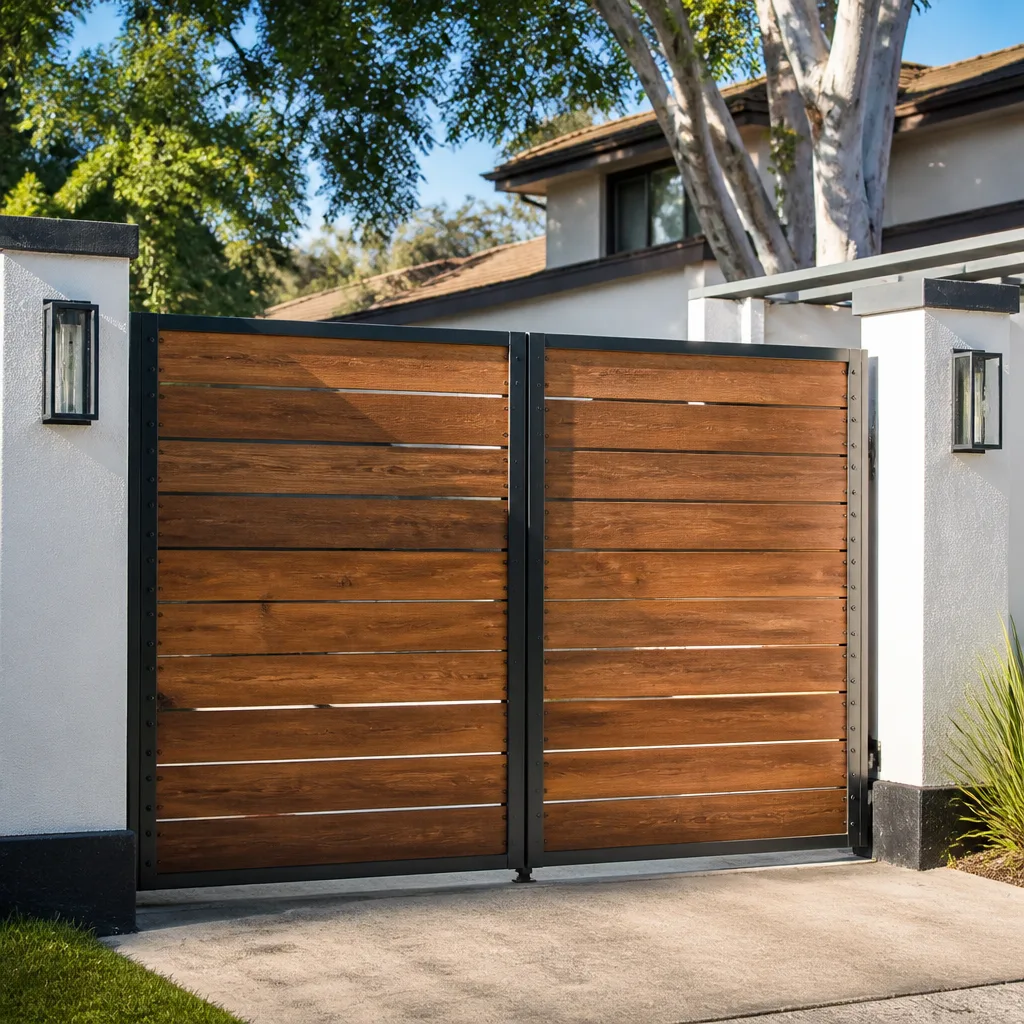 Wood & steel frame
 Farm & ranch
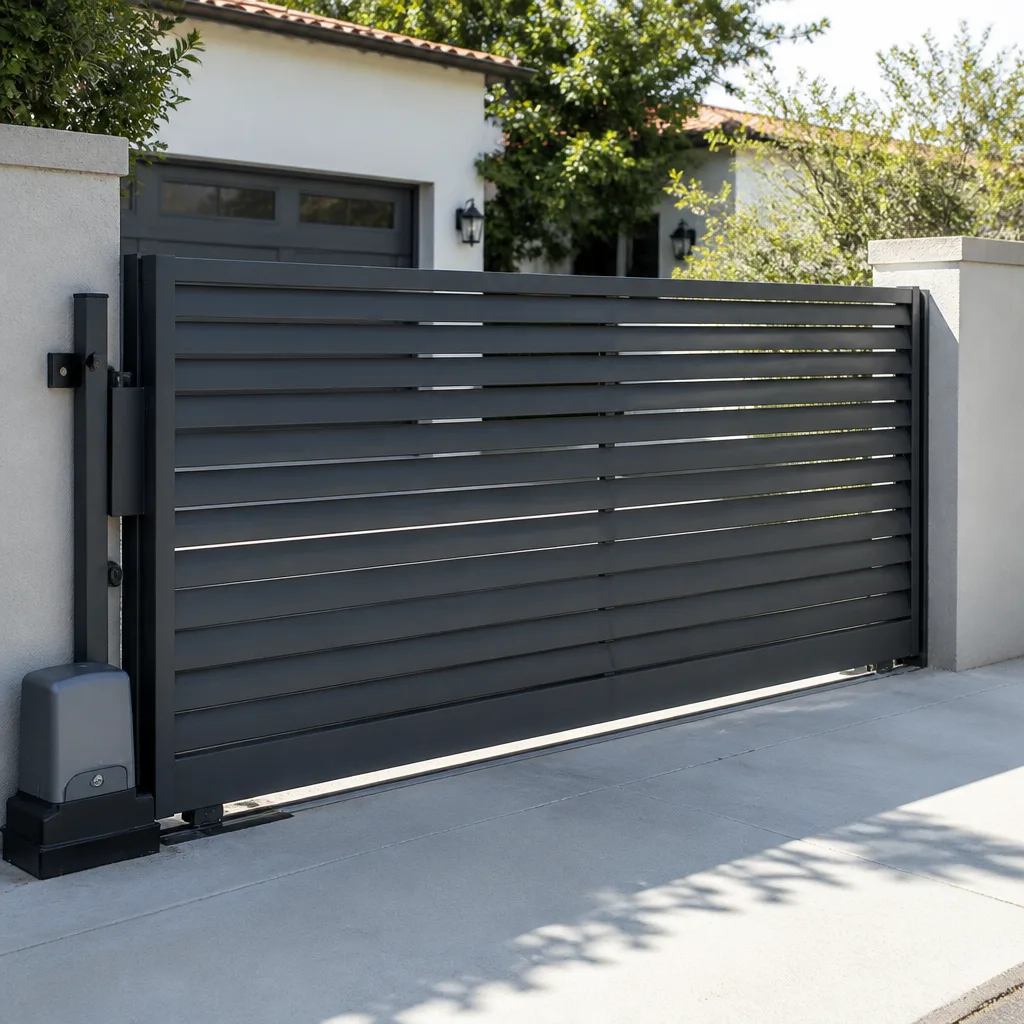 Sliding driveway gates
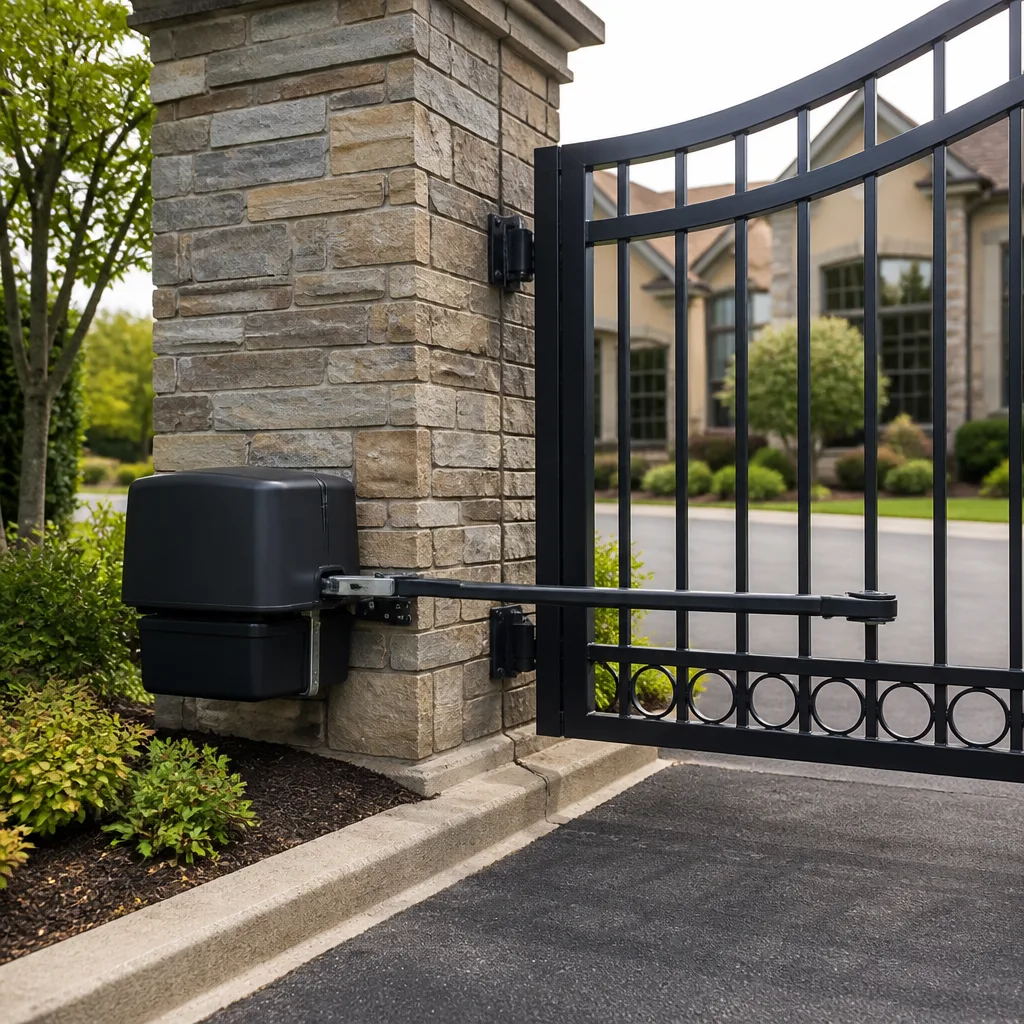 LiftMaster operators
Free on-site gate assessment - hinges, posts, and your LiftMaster or Nice gate operator checked before anything is quoted
The assessment is free and the quote is the invoice.
Get your free estimateGate Repair Warning Signs: A Winchester Homeowner’s Reference Guide
Most gate repair guides tell you to watch for a gate that moves slowly or makes noise. Those are endpoints. By the time your LiftMaster operator is grinding or your swing gate is crawling, the damage is already working. The real warning signs show up weeks earlier, in small behaviors a homeowner can catch: a gate that reverses three times in a row, a scrape mark in the same spot every spring, a backup battery slipping below a threshold that quietly scrambles your logic board. This guide works backward from failure to those quiet precursors, so you can catch a $40 fix in Winchester before it becomes a $400 one.
Quick Answer
The earliest gate repair warning signs are repeated auto-reversal, a slight slowdown at one specific point in travel, fresh scrape marks at the same spot each season, and intermittent behavior that starts and stops on its own. These signal a misaligned sensor, rising motor amp draw, soil heave, or a failing backup battery, all of which are far cheaper to fix before they damage the motor or the gate itself. In Winchester, temperature swings and expanding clay soil make two of these especially common.
Styles & brands we work with
- Wrought iron
- Wood & steel frame
- Farm & ranch
- Sliding driveway gates
- LiftMaster operators
Table of Contents
- What “the operator tripped” actually means (and how to tell the real cause)
- Photoeye misalignment vs. dirty lens vs. failed photoeye
- Early soil heave signs and why the second season doubles the scope
- The backup battery voltage floor that mimics a logic board fault
- How to document a warning sign yourself before you call
- Mechanical precursors: sag, drag, and hinge wear
- Why Winchester seasons surface these problems on a schedule
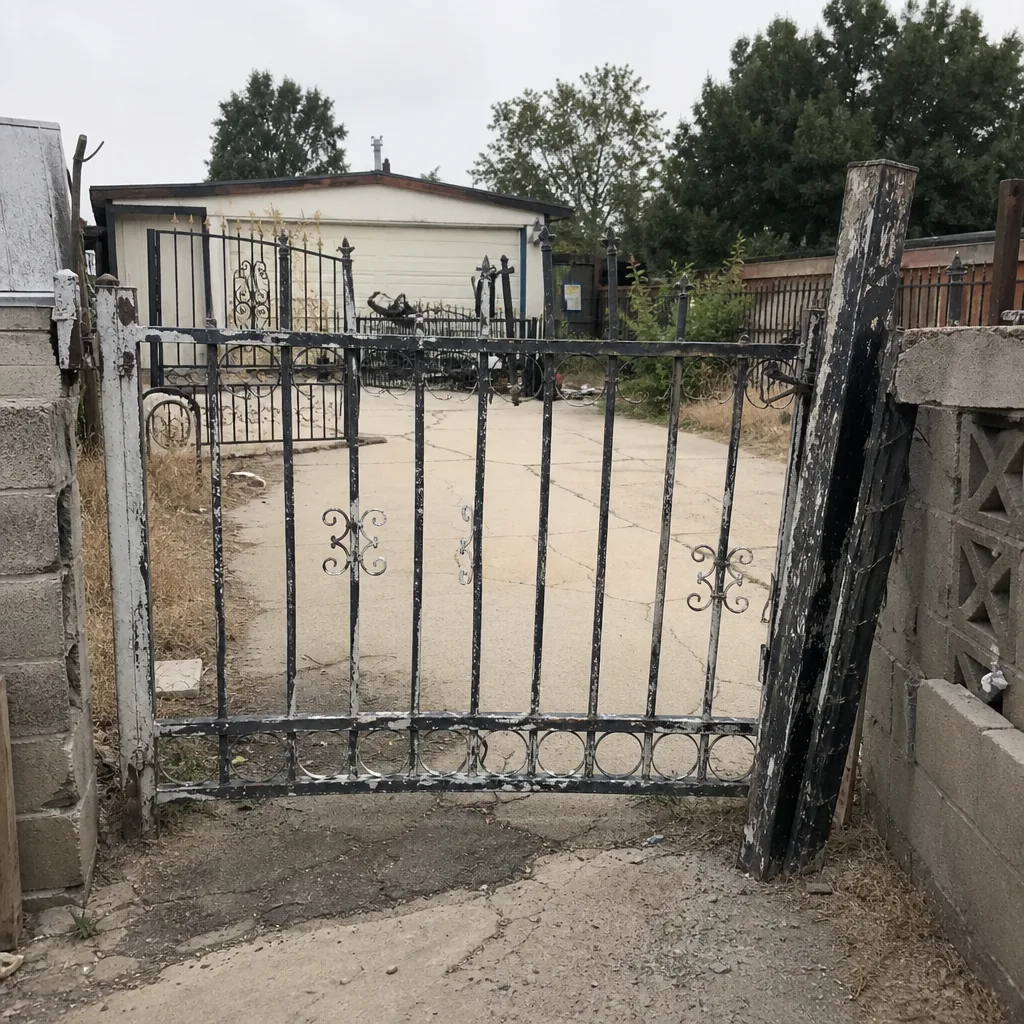 Before
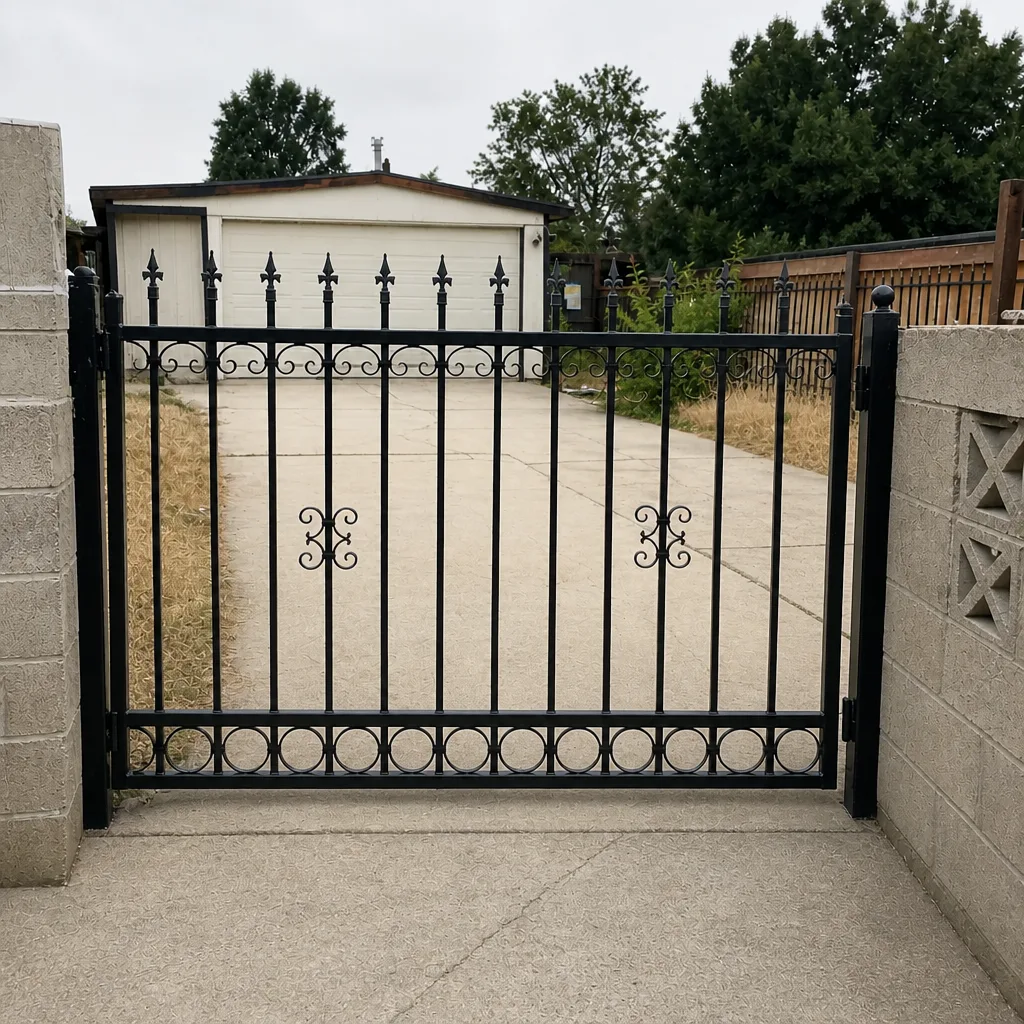 After
What “the operator tripped” Actually Means (And How to Tell the Real Cause)
When a gate operator “trips,” it isn’t malfunctioning. Every automatic gate motor on the market, from LiftMaster to FAAC, monitors how much electrical current it draws as it moves the gate. When the gate hits resistance, the motor works harder, and the amp draw climbs. Cross an internal threshold set by the manufacturer, and the operator stops and reverses on purpose. It’s a safety feature doing its job.
The diagnostic question is where that resistance comes from. There are two families of cause, and they cost very different amounts to fix:
- Mechanical resistance – a sagging hinge, a wheel worn flat, a track with grit or a bent gate frame. The motor is healthy; the gate is dragging.
- Electrical or sensor resistance – a failing motor winding, a loose wire, a photoeye breaking the beam. The gate moves freely; the operator’s brain is confused.
The plain-language tell: if the gate moves easily by hand when the motor is off, the mechanical system is fine and the problem is electrical. If it drags by hand, the resistance is physical and the motor is straining to compensate. In Winchester, we’ve watched dry summer heat swell wooden gate frames just enough to push amp draw over threshold, then watched them shrink back in cooler weeks. The trip comes and goes. That pattern is your clue.
Left alone, sustained high amp draw cooks a motor. A threshold trip caught early is often a hinge adjustment or a wiring cleanup. Caught late, it’s a motor replacement. If your gate is reversing without an obvious obstruction, that’s the moment to book a gate repair in Winchester rather than wait for the motor to give out.
Photoeye Misalignment vs. Dirty Lens vs. Failed Photoeye
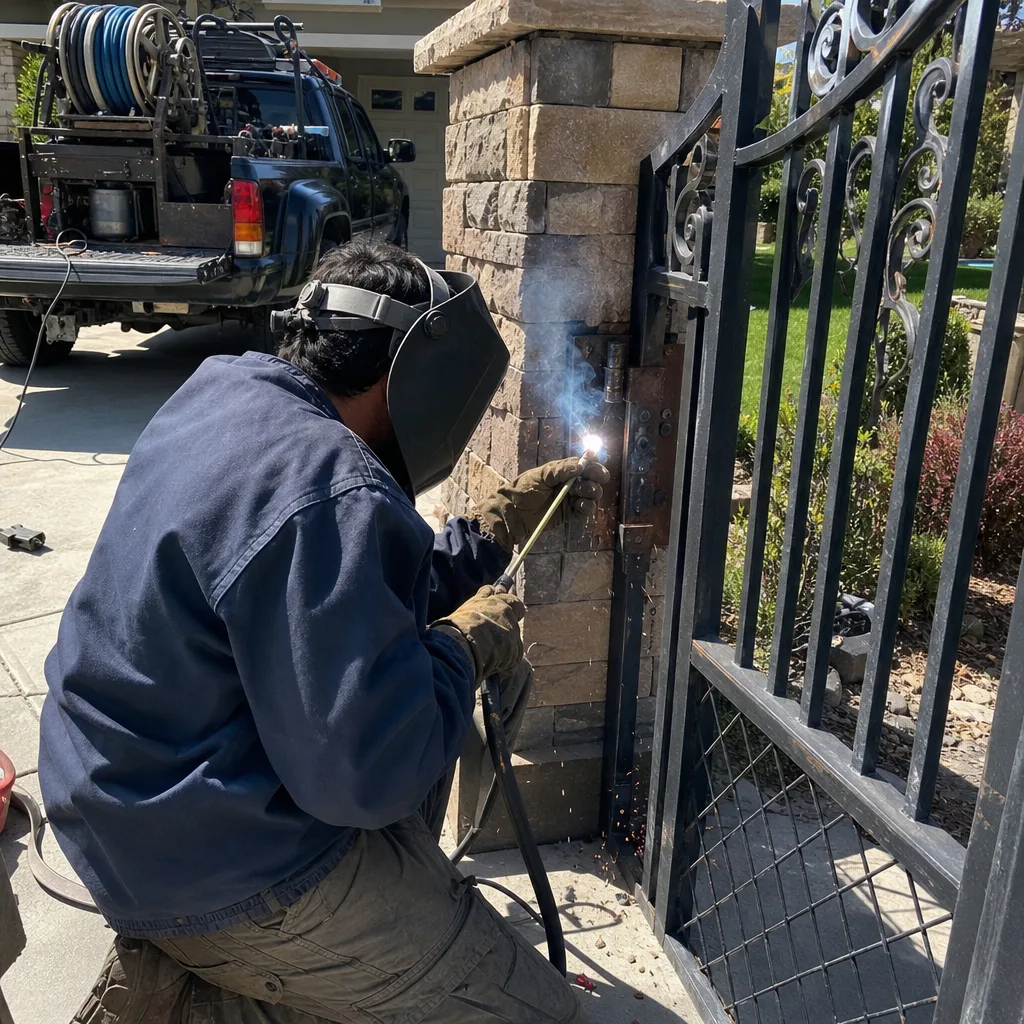
A photoeye is the infrared beam that stops the gate if something crosses its path. It’s the single most common source of “my gate keeps reversing for no reason” calls. To a homeowner, all three failure modes look identical: the gate reverses, or it refuses to close. To a technician, they’re three separate diagnoses with three separate price points.
- Dirty lens. Dust, pollen, spider webs, or lawn-mower blowback coats the lens. The beam is blocked or scattered. Clean both lenses with a soft cloth. If the gate behaves after that, you’ve fixed it for free. This is the first thing to check, and it’s the cheapest.
- Misalignment. The two lenses are no longer aimed at each other, usually after a bump, a settling post, or a windy week. The beam no longer lands on the receiver. Realigning is a measurement and adjustment job: a technician sets the beam and photographs the corrected aim so it doesn’t drift back unnoticed.
- Failed photoeye. The unit is dead or water has gotten into the housing. No cleaning or aiming brings it back. It needs replacement, and the part itself is the cost driver.
One quick test: run a hand through the beam. If the gate reacts, the eye is working and the problem is elsewhere. If nothing happens, the beam is broken or misaligned. Mighty Mule and Elite units both fail this way, and a water-damaged eye is common after a wet stretch in Winchester. Under our written-price process, you get the diagnosis and the part price before anyone reaches for a tool, so you’re not guessing which of the three you’re paying for.
Early Soil Heave Signs and Why the Second Season Doubles the Scope
A gate that scrapes or drags at exactly the same point every spring is telling you about the ground, not the gate. Expanding clay soil and freeze-thaw cycles push concrete footings and gate posts upward slightly as moisture changes. The gate stays the same height; the ground around it doesn’t. That mismatch shows up as a scrape mark, a drag, or a low corner every season.
The reason this is urgent is cost trajectory. The first season, the fix might be a post adjustment, a shim, or a hinge re-hang, a modest repair. A second season of heave widens the gap and bends the gate frame under its own weight. Now you’re replacing a hinge, straightening a frame, or resetting a footing, and the scope doubles or triples.
Watch for these precursors:
- A fresh scrape or paint-wear mark at one specific spot, recurring after wet weather
- A corner that drags only part of the year
- A post that visibly leans or has a hairline crack at the base
- A gate that suddenly needs more force to latch in the same season each year
Winchester’s wetter springs and dry summers move soil around, so this pattern repeats on schedule. The habit worth building is to photograph the scrape each season. Stack the photos side by side and you’ll see the drift before the gate is dragging daily. If the pattern is already starting, a gate motor and opener check in Winchester can confirm whether the operator is straining against the heave or whether it’s purely mechanical.
The Backup Battery Voltage Floor That Mimics a Logic Board Fault
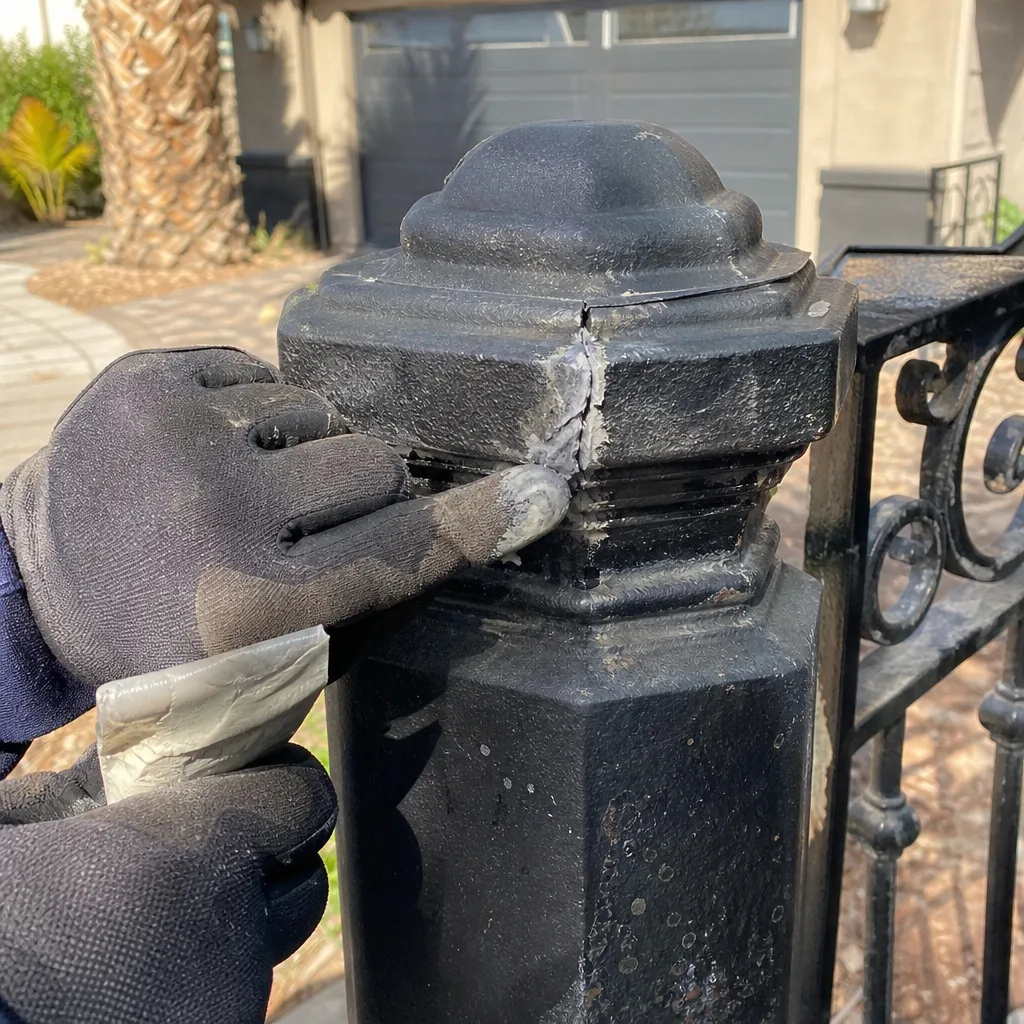
Intermittent, unpredictable gate behavior, working one hour, dead the next, resetting on its own, is the classic signature of a weak backup battery, not a failed logic board. Homeowners and even some technicians jump to the board because the symptoms look electrical. The cause is a battery that has slipped below its healthy voltage floor.
Gate operators run on a backup battery so they can function during a power loss. As that battery ages, its voltage sags. Below a certain point, the operator’s electronics get unstable: the gate may open slowly, refuse to close, reverse mid-travel, or appear to reset itself at random. The whole time, the logic board is fine. Replacing it would be an expensive mistake.
What to know before you assume it’s the board:
- Older or cold batteries hold voltage poorly, so problems cluster in cool weather
- Intermittent faults that vanish when warmed up often point to the battery, not the board
- A technician reads the actual voltage under load rather than guessing from symptoms
This is where documentation pays off. When we check a battery, we read the voltage and record it, so if the same fault returns six months later, the next visit starts from that number instead of starting over. On a LiftMaster or FAAC operator, an intermittent fault with a healthy battery points elsewhere; with a sagging battery, it almost never does. That single reading separates a $60 battery from a several-hundred-dollar board.
How to Document a Warning Sign Yourself Before You Call
The single most useful thing a homeowner can do is capture the fault while it’s happening. A technician triaging by phone can often tell you whether it’s a quick fix or a truck-and-parts job, and that saves everyone time. Here’s how to document a warning sign so we can read it before we ever leave the shop:
- Take a video of the fault in action. Record the full cycle from open to close, including the reversal. Ten seconds of the gate misbehaving is worth more than a paragraph of description.
- Note when it happens. Same point in travel every time? Only at one time of day? Only after rain? The pattern narrows the cause fast.
- Measure the scrape or the gap. Use a tape or a coin to gauge the drag point or the gate-to-ground gap. A number beats “it looks low.”
- Write down the brand and model from the operator label. It tells us which parts and manuals apply before we arrive.
- Describe what you changed recently. New landscaping, a bumped post, a power surge, a storm. Context closes the gap.
Send that over and a live person reads it and calls you back with a real answer. We keep a photo record on every visit, and your documentation becomes the first page of it. That habit is the same one our senior technicians brought over from commercial access-control work, where a photograph at the start is how you keep the job straight. Our technicians have up to 12 years of experience, and they can often triage a fault from a short video before the truck rolls.
Mechanical Precursors: Sag, Drag, and Hinge Wear Nobody Notices
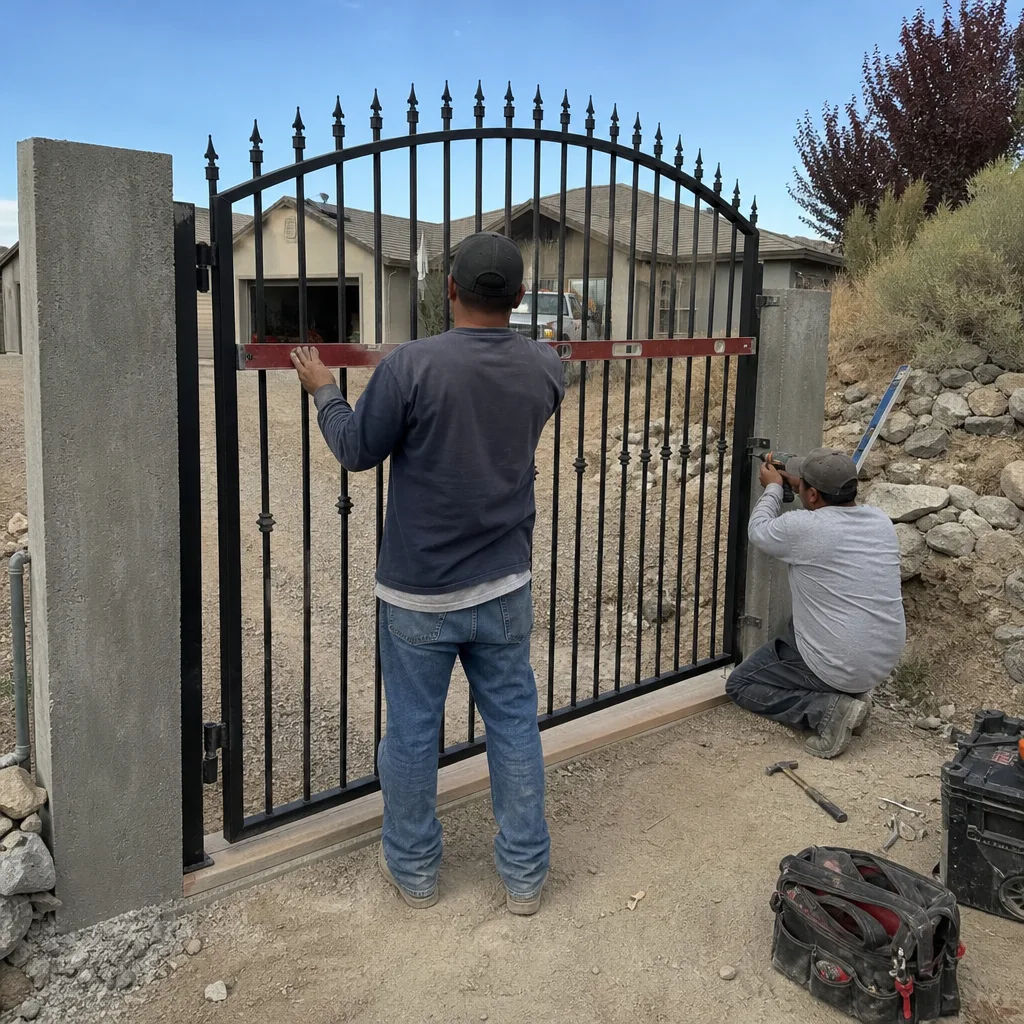
Mechanical failures announce themselves quietly, months before the hinge seizes or the wheel falls off. These are the precursors we see most in Winchester driveways:
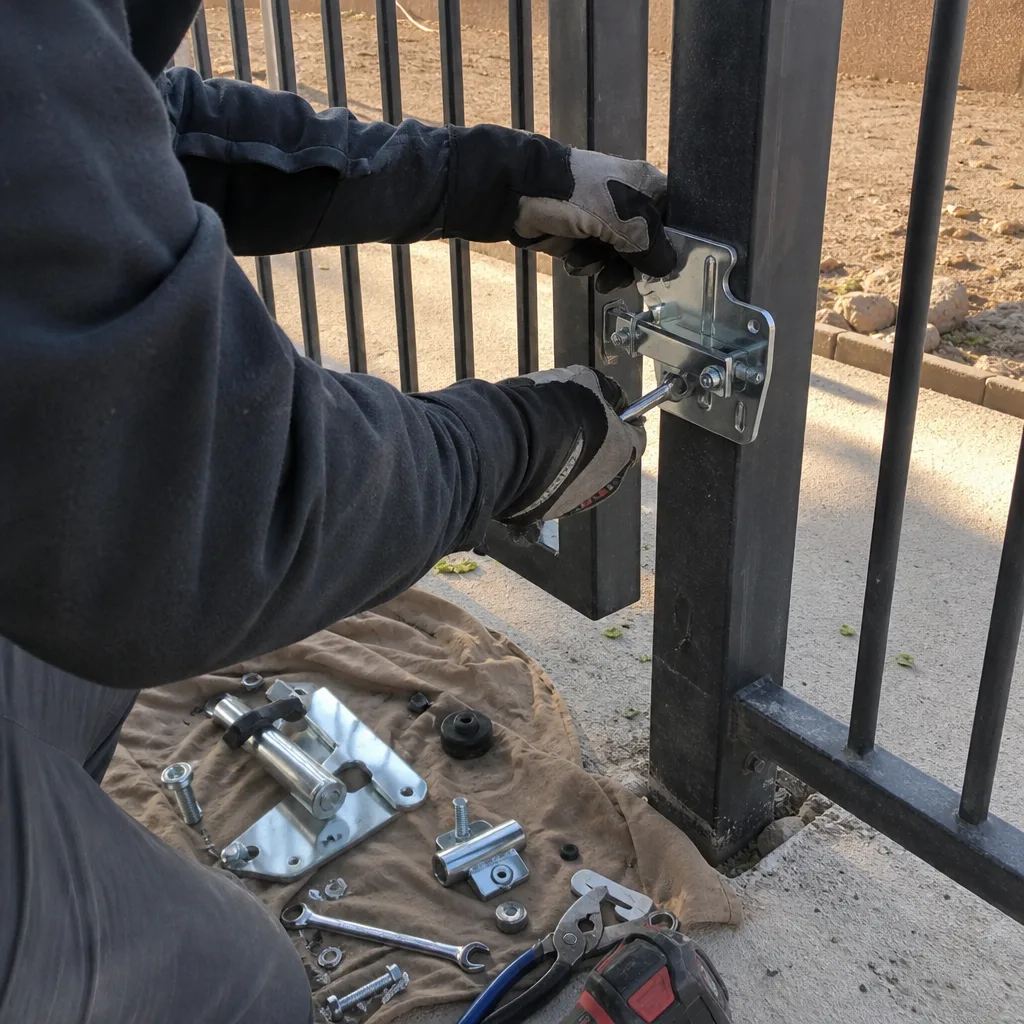
- A gate that won’t stay latched. A hinge has loosened and the gate sags, so the latch no longer lines up. You’ll feel it before you hear it.
- A wheel that stops turning smoothly. A flat spot or grit in a wheel bearing raises amp draw. The gate moves, just harder.
- Fresh metal-shine on a hinge pin. That gleam means the pin is grinding, and the gap is wearing wider every cycle.
- A gate that needs a shove to start but rolls free the rest of the way. The first few inches are where the drag lives.
A hinge that wears out fully can bend a gate frame or strip a motor gear. A five-minute adjustment now avoids a frame or gear replacement later. When you call about a drag or a sag, mention whether the gate is a swing or slide gate and how old the hardware looks; the age estimate matters more than you’d think. If you’re considering a new gate entirely, our gate installation in Winchester page covers what a proper install includes, but most of what we fix is repairable, not ready for the scrap pile.
Why Winchester Seasons Surface These Problems on a Schedule
Winchester’s climate works these failure signs into a rhythm. Wet springs push clay soil around posts, showing up as scrapes every March. Dry summers swell wooden gates and dry out bearings, nudging amp draw up. The first cold snap sags the backup battery and produces the intermittent fault that looks like a board failure. Each season has its own signature, and reading the calendar is half the diagnostic work.
The practical upshot: a gate that misbehaves in the same month every year isn’t random. It’s responding to the ground and the weather around it. If you’re new to a property, find out what the gate did last spring and last fall. That history tells you which precursor is most likely to bite next. Nothing about the gate is broken by default; it’s a system reacting to the conditions it sits in.
Common Mistakes to Avoid
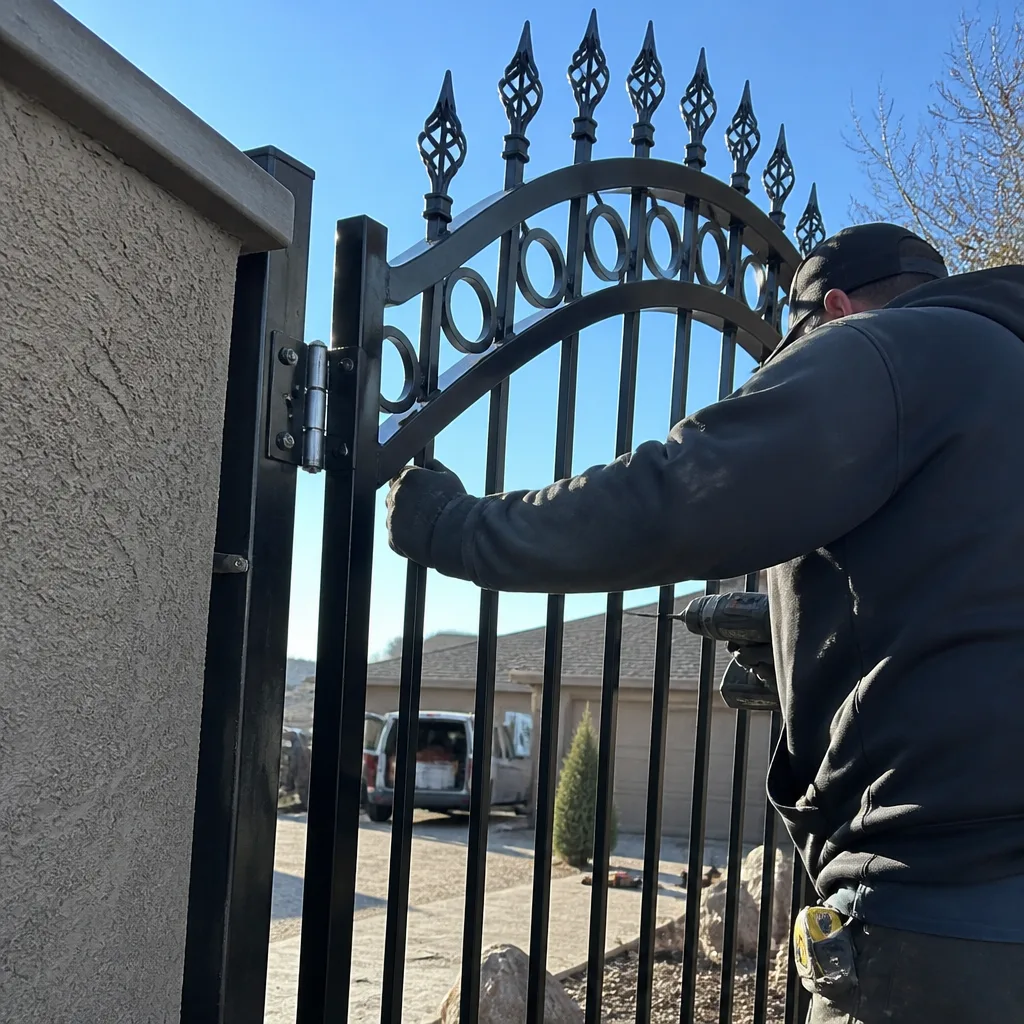
- Assuming a reversing gate needs a new motor. A reversal is usually a sensor or amp-draw issue, not a dead motor. Replacing the motor before diagnosing wastes money and skips the real cause.
- Cleaning the photoeye and calling it fixed when the fault returns. If a clean lens only buys you a week, the eye is misaligned or failing, not dirty.
- Resetting the operator over and over instead of fixing the threshold trip. Every reset pushes the motor through another strain cycle. The resistance is still there.
- Waiting a second season on a scrape mark. Soil heave doesn’t settle; it widens the gap and doubles the repair scope. One season is a warning. Two is a rebuild.
- Blaming the logic board for an intermittent fault. Read the battery voltage first. A sagging battery mimics a board fault and costs a fraction to replace.
- Accepting a verbal estimate and a handshake. Undocumented work means the next technician repeats the whole diagnosis, and you pay twice for the same discovery. Insist on a written price before anything starts.
- Ignoring a gate that needs a shove to start moving. That first-inch drag is the cheapest sign to catch and the most expensive to ignore.
See the difference
BeforeAfter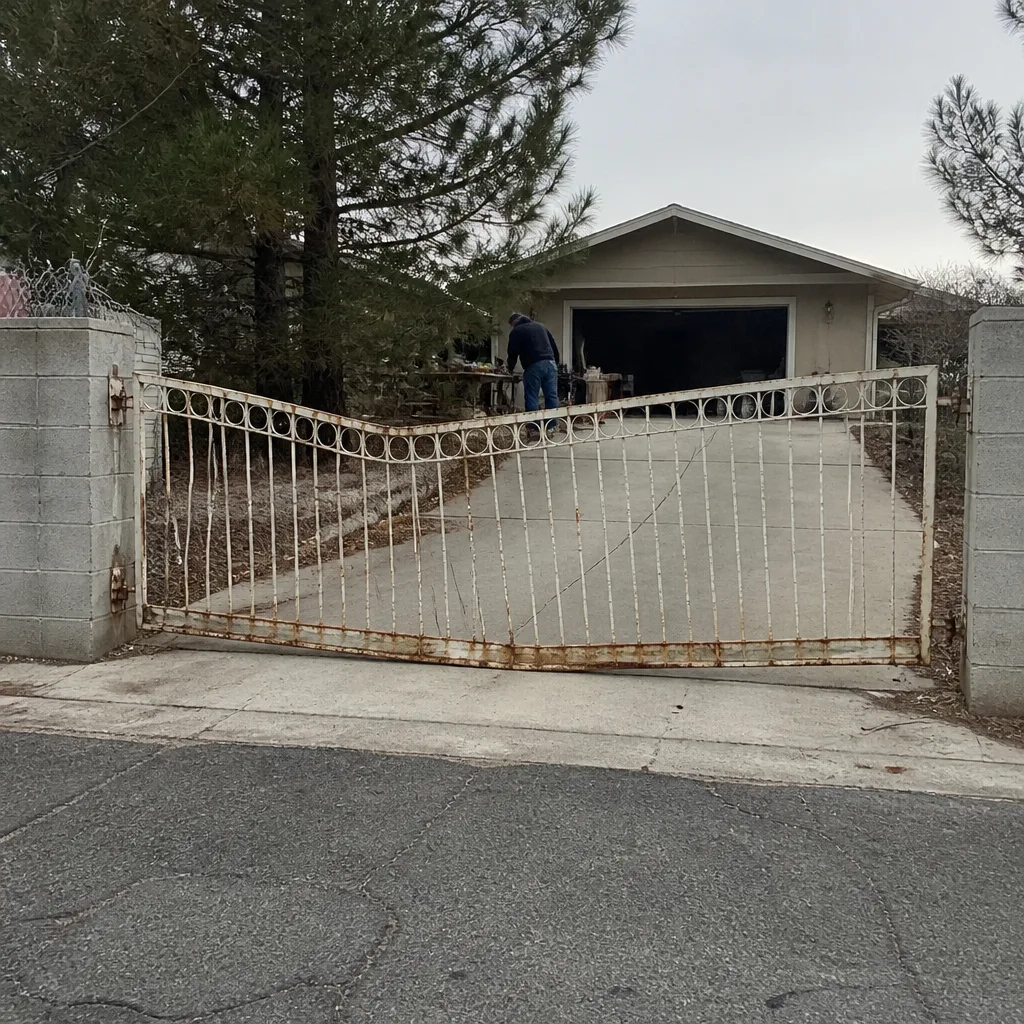 Before
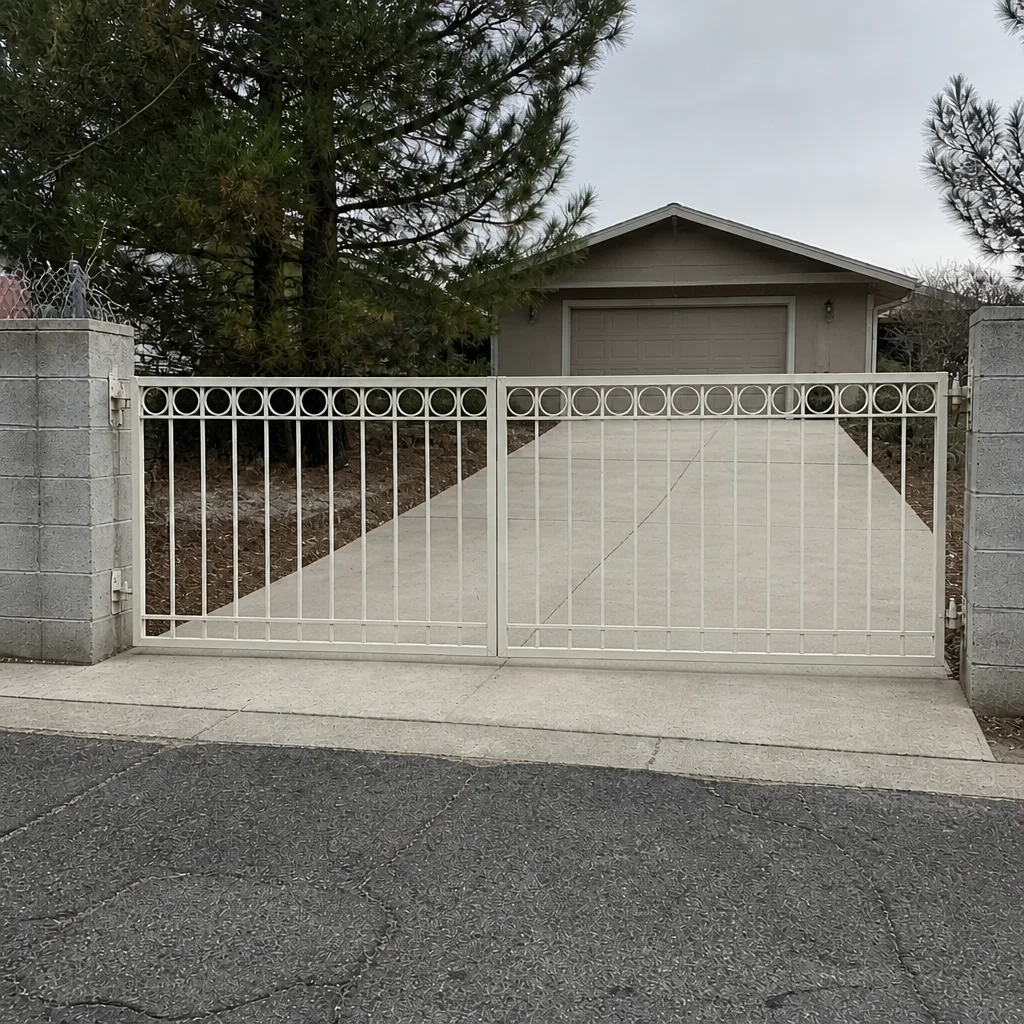 After
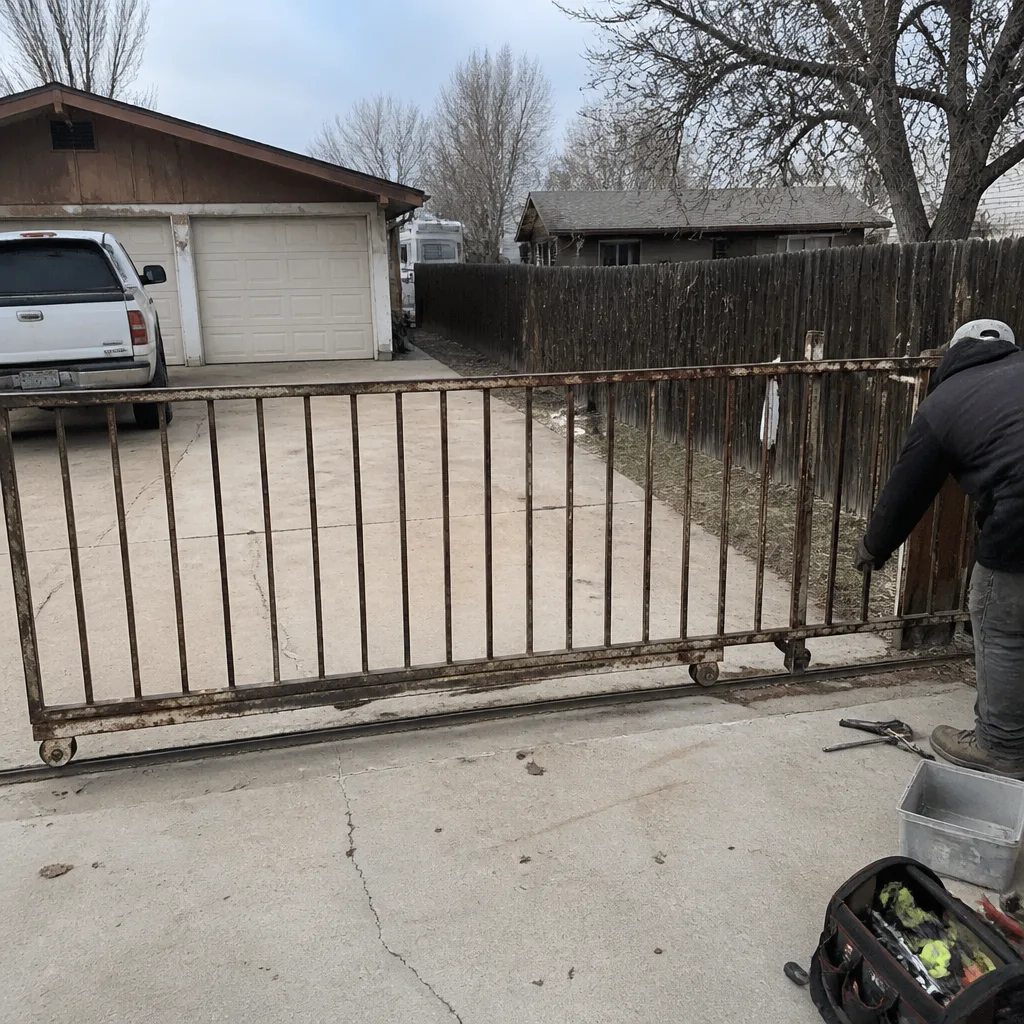 Before
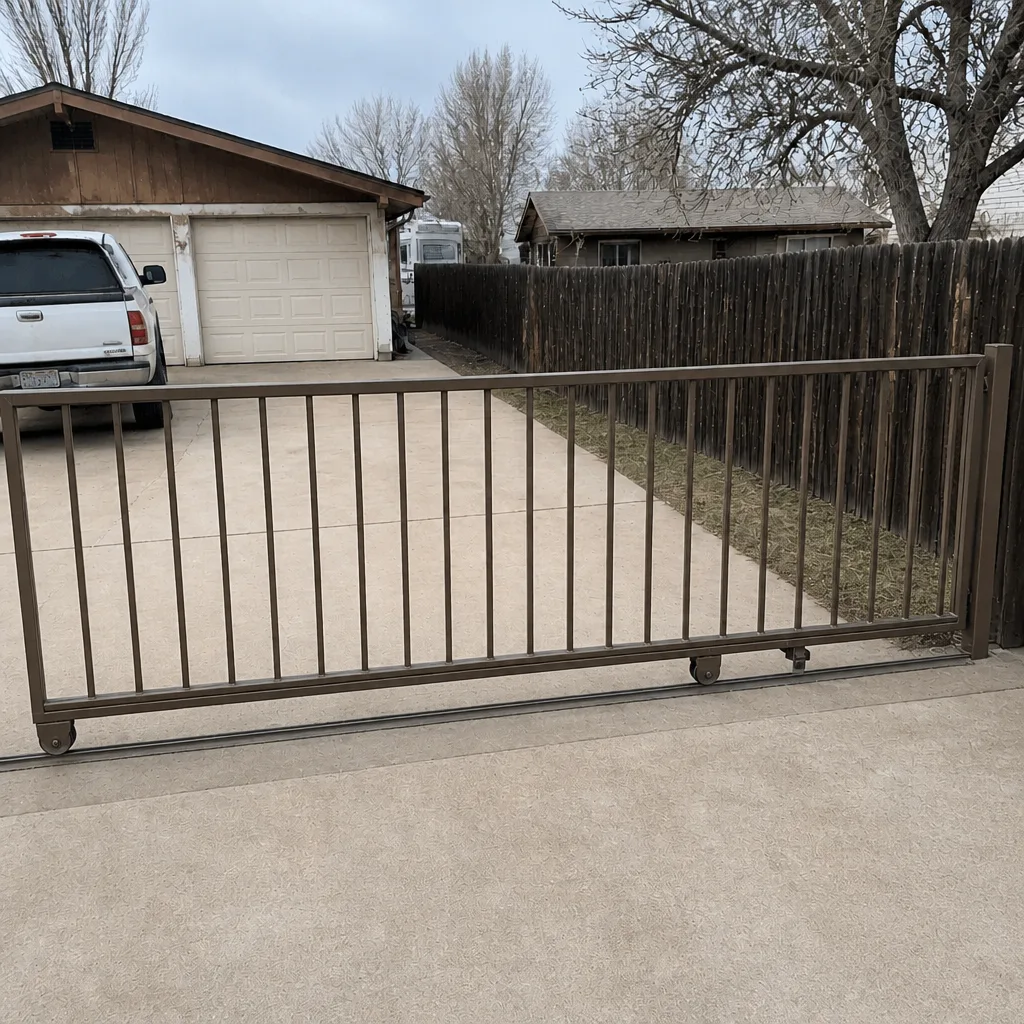 After
When to Call a Professional
Call a professional the moment your gate reverses on its own, drags at one point, scrapes the ground each season, or behaves intermittently. High-tension springs, moving gate arms, and live automation wiring are genuinely dangerous to handle without training; DIY adjustments to an energized operator or a tensioned spring can cause serious injury. Don’t open the housing or loosen spring hardware to “take a look.” Document the sign, then hand it to someone qualified. Vance Gate Repair Winchester offers free estimates in Winchester, and we quote in writing before any work starts – call (866) 983-9213. A live person answers at any hour, and our technicians can often triage from your video before a truck rolls.
Frequently Asked Questions
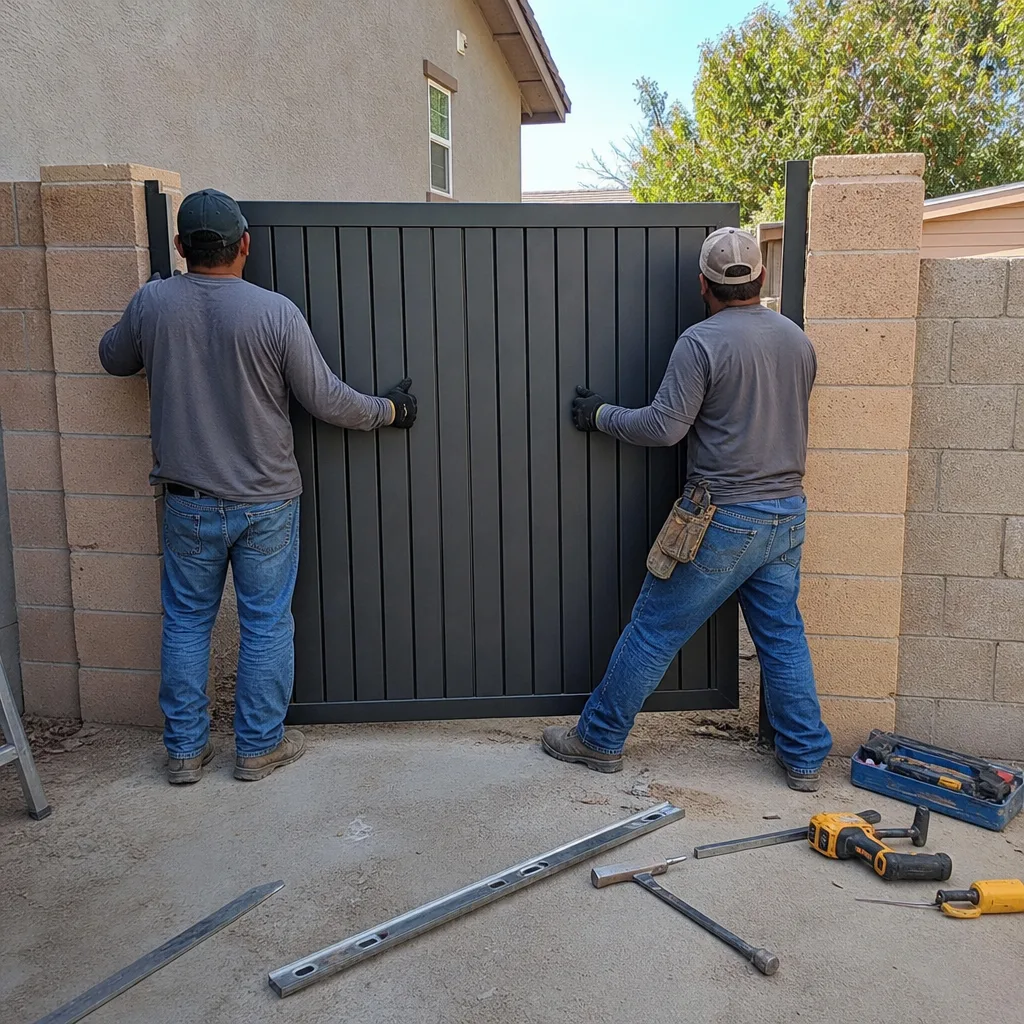
Repeated auto-reversal almost always means a broken photoeye beam or a motor amp draw crossing the operator’s trip threshold. Run your hand through the beam; if the gate reacts, the eye works and the resistance is mechanical or electrical. Call (866) 983-9213 for an exact quote – estimates are free.
Most warning-sign fixes in Winchester run well below repair jobs caught at failure; a photoeye realignment or a hinge adjustment is a fraction of a motor replacement, and battery service is on the low end. You get the exact written price before work starts, so there’s no invoice surprise. Call (866) 983-9213 for an exact quote – estimates are free.
For active faults like a gate stuck open or reversing dangerously, we prioritize same-day where possible and a live person answers at any hour. The fastest start is a short video of the fault, which lets a technician triage before the truck rolls. Call (866) 983-9213 and we’ll give you the written price before any work begins.
A backup battery that sags below its healthy resting voltage under load will cause intermittent, unpredictable gate behavior that looks like a logic board fault. A technician reads the actual voltage rather than guessing from symptoms. If your gate resets or acts at random, call (866) 983-9213 for a battery check and a written price – estimates are free.
With the motor off, move the gate by hand. If it rolls freely, the mechanical system is fine and the cause is electrical or sensor-related. If it drags, the resistance is physical and the motor is straining against it. Our technicians have up to 12 years of experience separating the two. Call (866) 983-9213 for a free estimate.
No. A repair fixes what’s already there; a power run and safety edges come into play on installation or major automation changes. For repairs, we correct the existing wiring and safety devices and photograph what we set. To discuss your gate, call (866) 983-9213 – estimates are free.
The Bottom Line
The warning signs worth watching aren’t the loud ones, they’re the quiet ones: a triple reversal, a scrape in the same spot each spring, a battery slipping below its voltage floor, a hinge going metal-bright. Catch them early and you’re paying for an adjustment; catch them at failure and you’re paying for a motor, a frame, or both. In Winchester, the seasons surface these on a schedule, so read the calendar alongside the gate. Document the symptom, get a written price before any work starts, and keep a photo record. That’s how you keep a repair cheap.
Written by the team at Vance Gate Repair Winchester.
Ready to move on a warning sign before it becomes an emergency? Call Vance Gate Repair Winchester at (866) 983-9213 for a free estimate. You’ll get the flat price in writing before anyone picks up a tool, a documented photo record on every visit, and the 365-Day Done Right Promise behind all completed work. Visit our Vance Gate Repair Winchester home page to see how we work.