
Last updated November 18, 2026
 Wrought iron
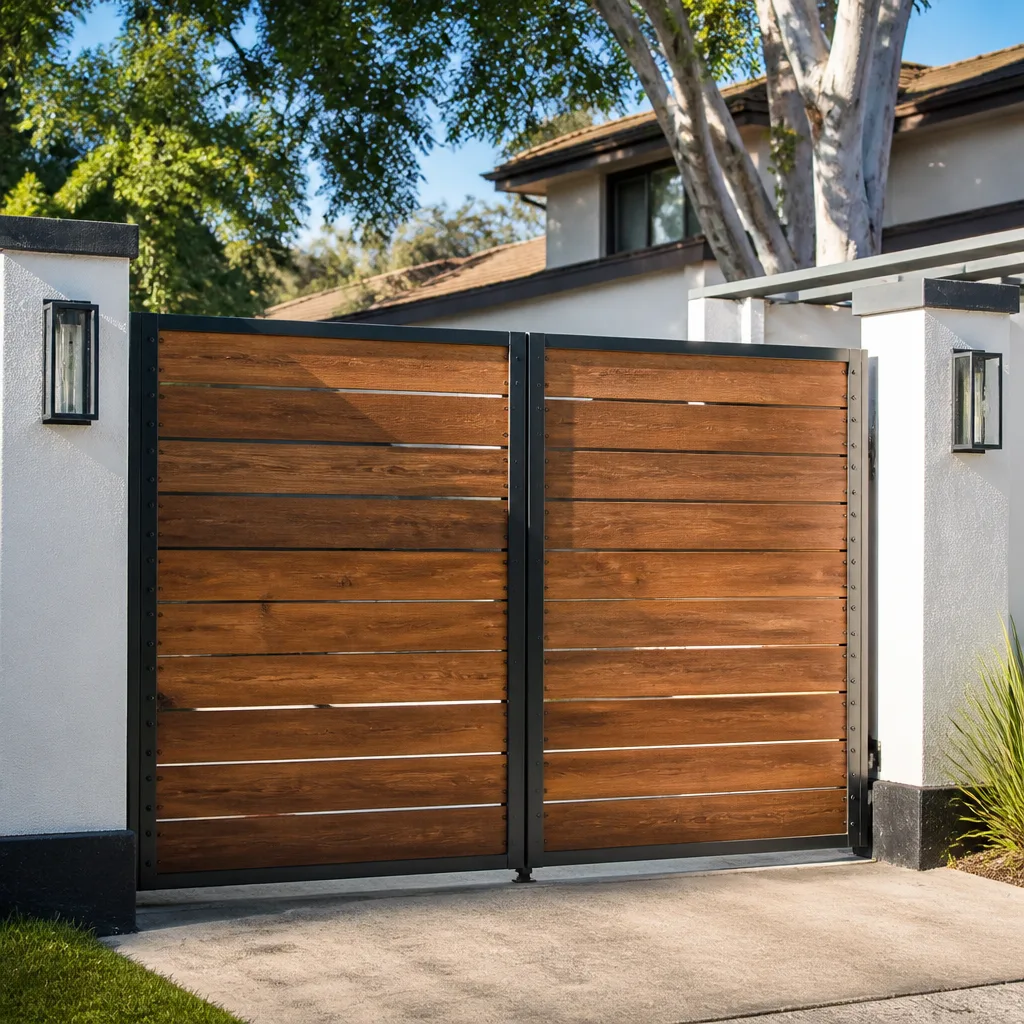 Wood & steel frame
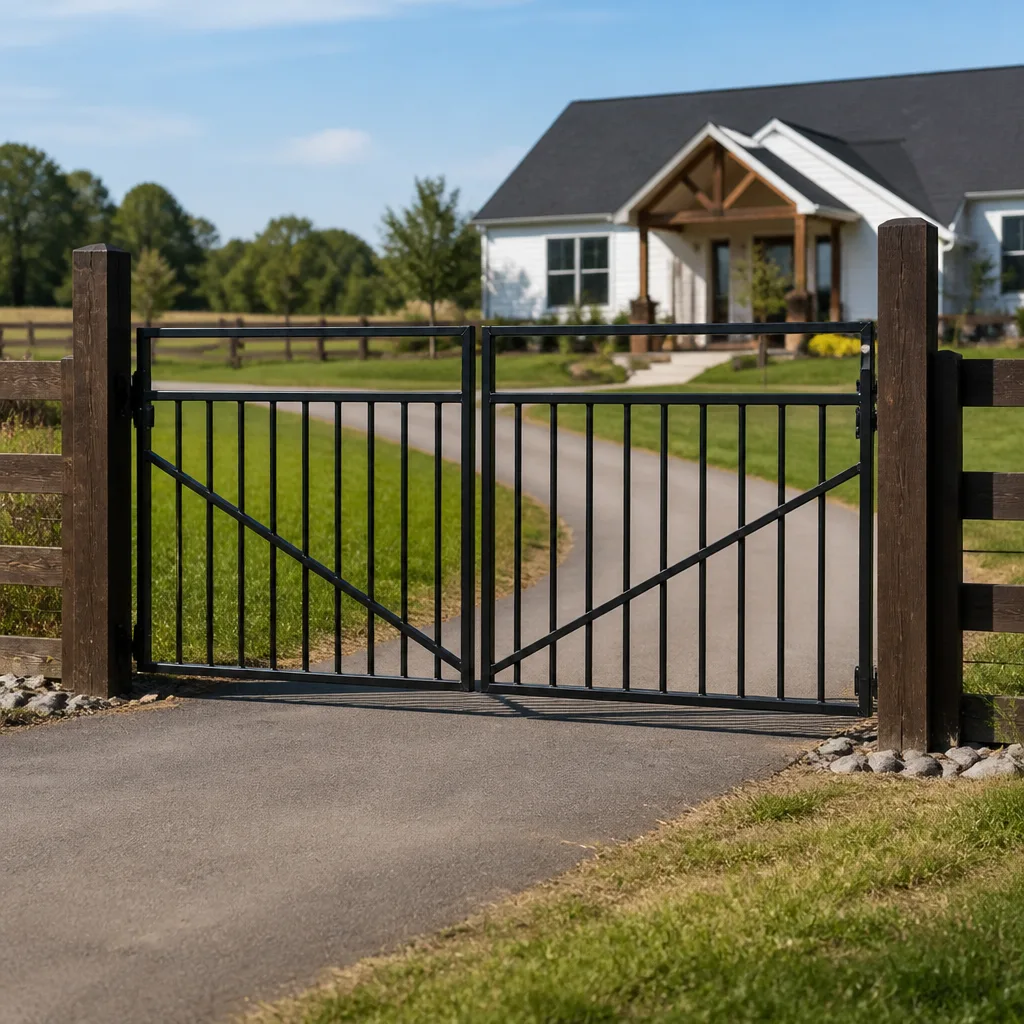 Farm & ranch
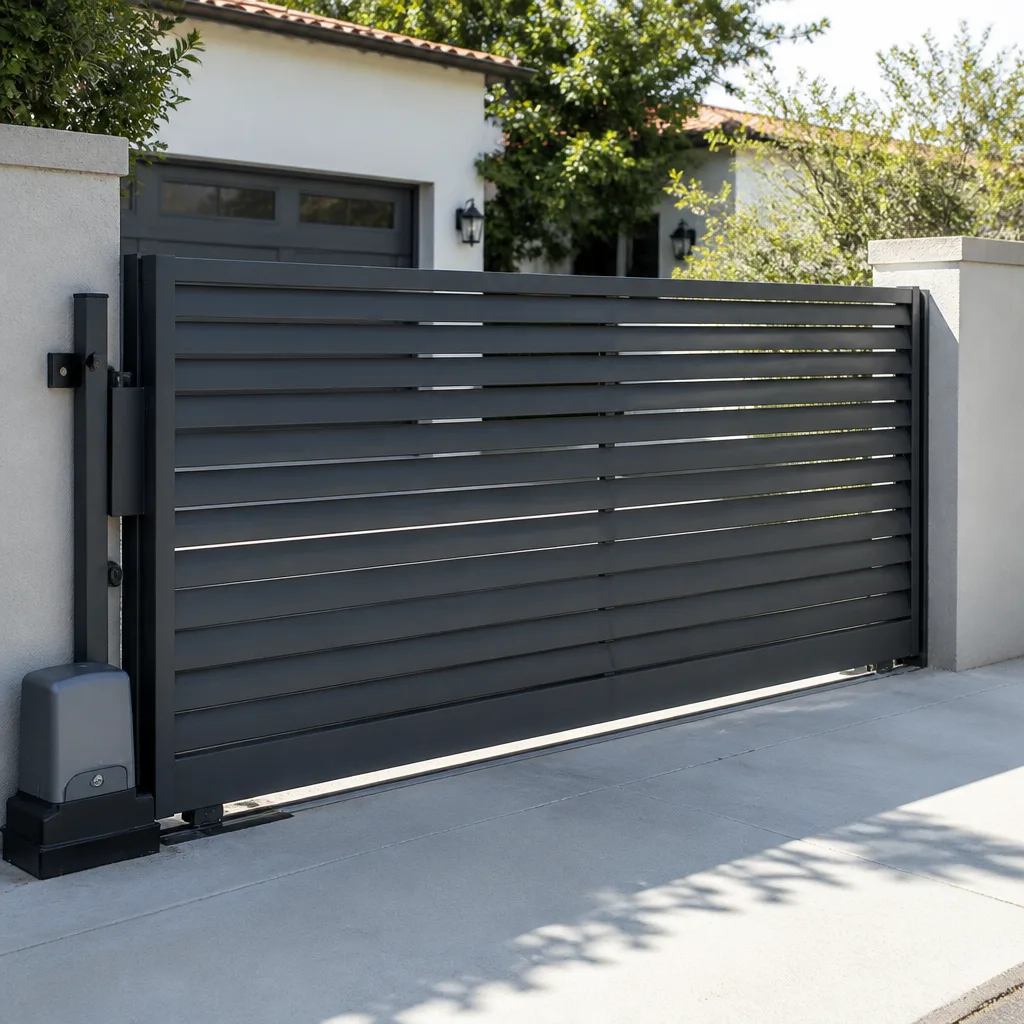 Sliding driveway gates
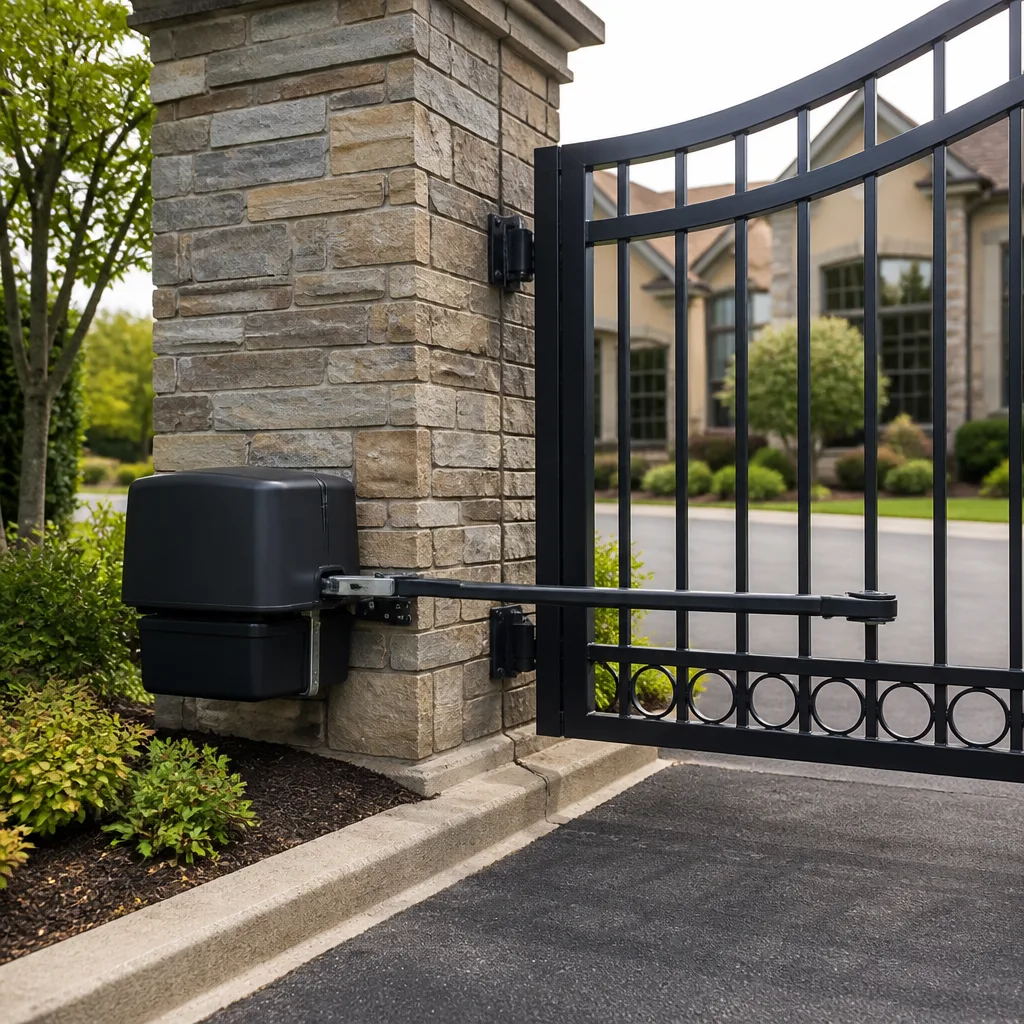 LiftMaster operators
Free on-site gate assessment - hinges, posts, and your LiftMaster or Nice gate operator checked before anything is quoted
The assessment is free and the quote is the invoice.
Get your free estimateHow Long Does Gate Installation Take? Timelines and What to Expect
Most gate installers quote a one-day job. The permit pull, concrete cure, and control-board programming that bracket that one day routinely add two weeks, and nobody mentioned it in the estimate. That gap is where projects slip and where homeowners lose the ability to tell whether a contractor is on schedule or stalling. This guide breaks a gate installation in Winchester into five discrete phases, gives realistic day-counts for each, and shows you what a written scope should specify so you can hold any contractor to a real timeline. You’ll also see what a technician should leave behind at commissioning, the proof that the job is actually finished rather than just poured and wired.
Styles & brands we work with
- Wrought iron
- Wood & steel frame
- Farm & ranch
- Sliding driveway gates
- LiftMaster operators
Quick Answer
A typical residential gate installation in Winchester takes 2 to 3 weeks from accepted price to a reliably working gate, even though the physical installation day itself is usually just one day. The rest of the calendar is filled by site assessment, permit or HOA approval, materials lead time, and a mandatory concrete cure of 48 to 72 hours before the gate hardware can be loaded. Swing gates on existing power can land closer to 10 days; slide gates that need a new conduit run often stretch to 4 weeks.
Table of Contents
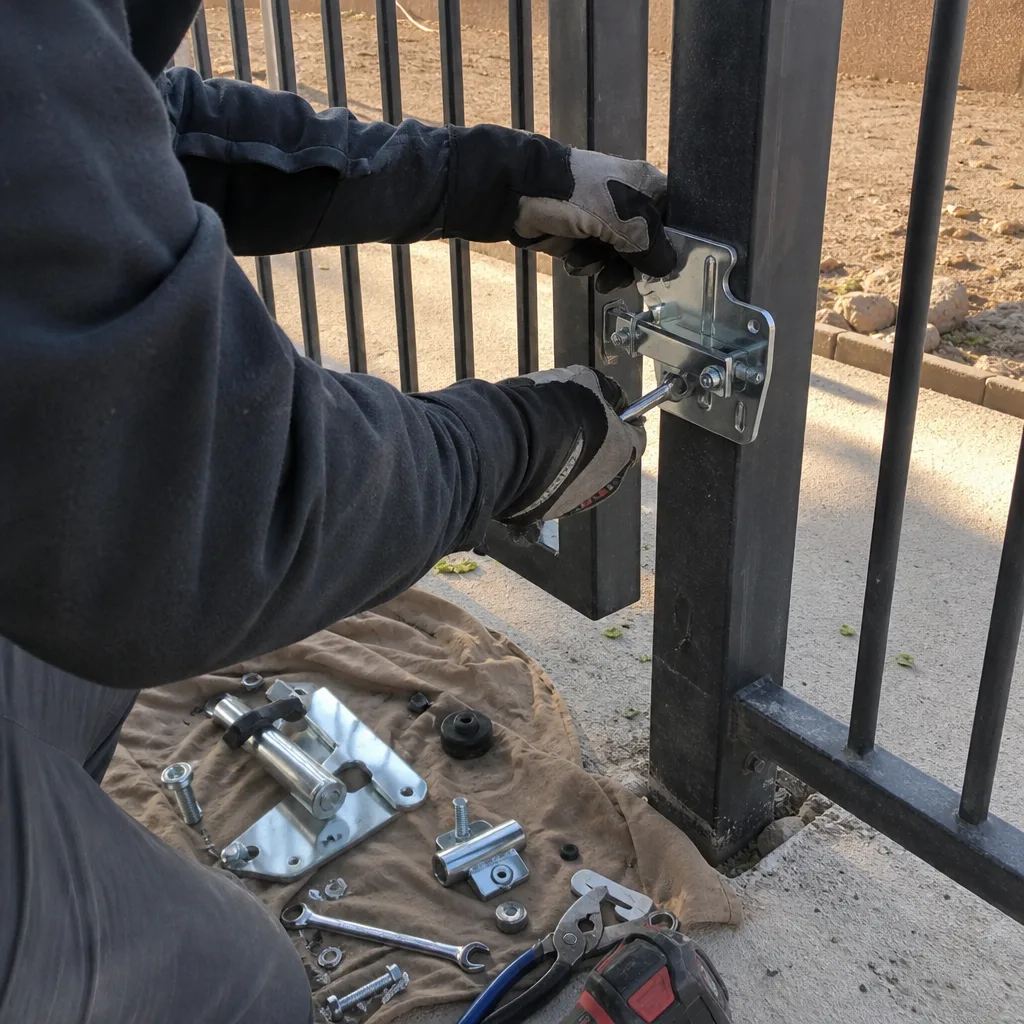
- The Five Phases of a Gate Installation Timeline
- Why Concrete Cure Time Can’t Be Compressed
- What a Written Scope Should Say About Milestones
- How Gate Type and Existing Infrastructure Change the Timeline
- What Happens at Commissioning – and What Gets Left Behind
- Common Mistakes to Avoid
- When to Call a Professional
- Frequently Asked Questions
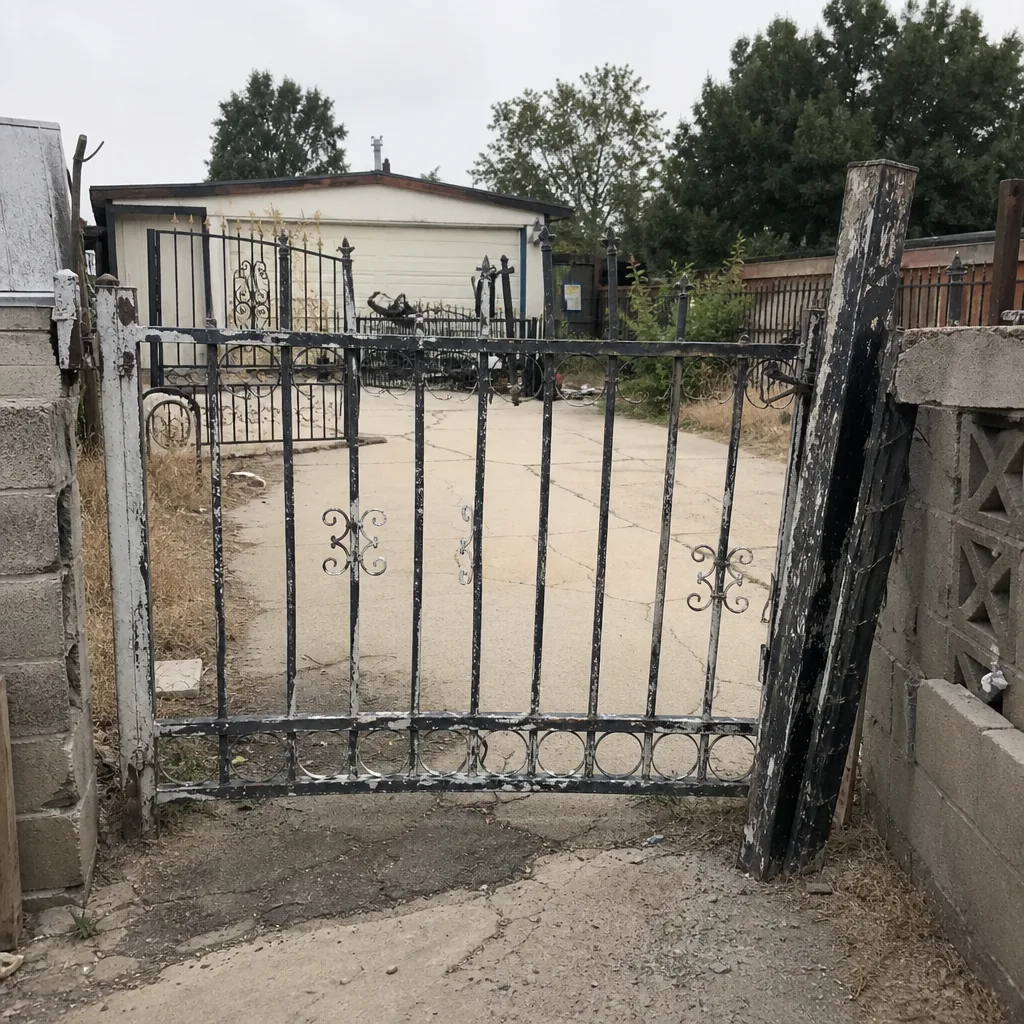 Before
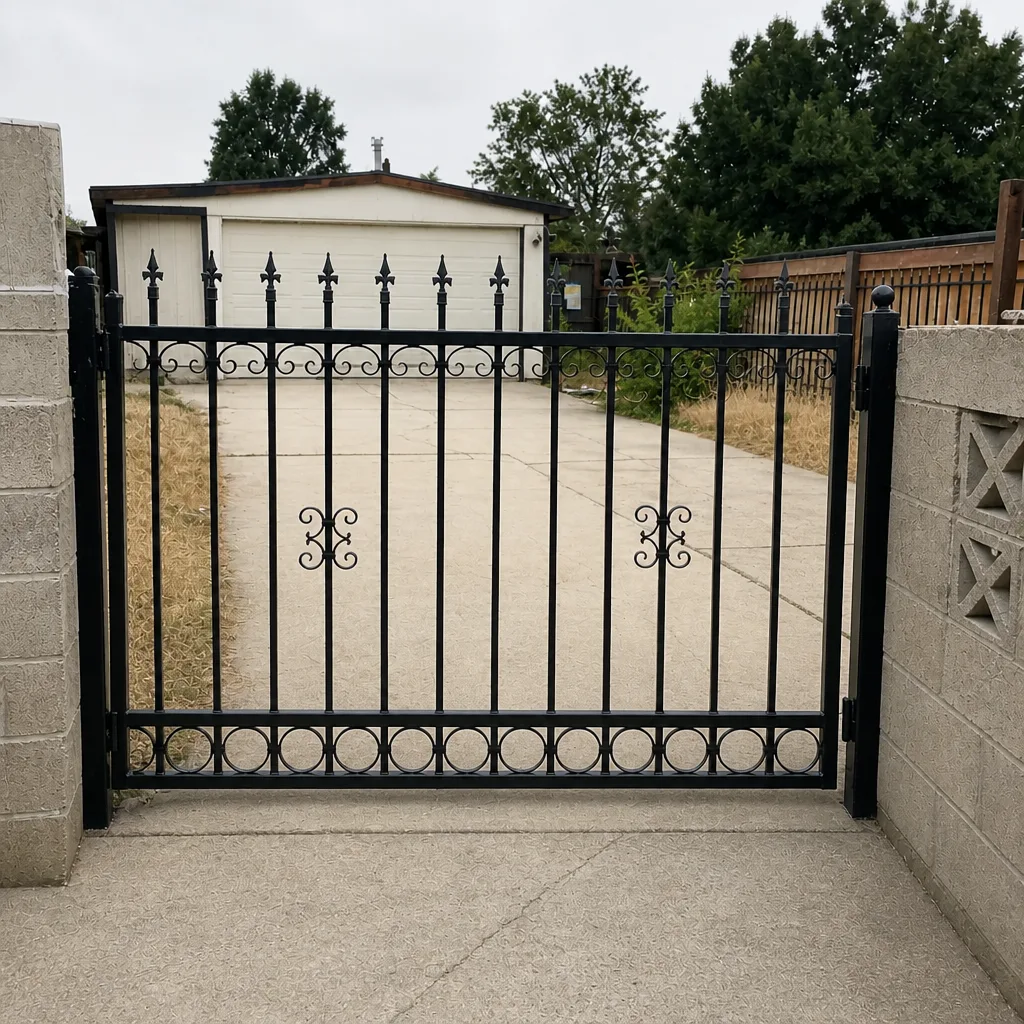 After
The Five Phases of a Gate Installation Timeline
If you’re pricing gate installation in Winchester for the first time, the useful mental model is that installation day is a small slice of a longer process. We’ve documented enough jobs to know the calendar is built from five phases, and any one of them can add days if it’s not planned for in the written scope.
- Site assessment (1 to 3 days). A technician measures the opening, checks the soil and grade, confirms where power will enter, and photographs the existing conditions. In Winchester, sloping driveways toward the foothills are common and often push a swing gate to a slide gate, which changes everything downstream.
- Permit and HOA approval (3 to 10 days). Most municipalities require a permit for a gate that includes a motor or involves a new fence line, and many HOAs require a design review. This phase is usually the longest single wait and the one homeowners forget to budget for.
- Materials lead time (2 to 14 days). Stock gates and common operator brands like Linear or Viking can ship in a few days. A custom-welded or pedestrian-matching design can take longer. If the operator is a specialty model such as DoorKing, confirm stock before the deposit.
- Physical installation day (1 to 2 days). Posts are set, the gate is hung, the operator is mounted, and wiring is pulled. This is the day people picture when they hear “gate installation.”
- Commissioning (half a day, after cure). Once the concrete has cured, the gate is cycled, limit switches are set, safety photo-eyes are aligned, and the controller is programmed and tested. This is where the job becomes a working gate rather than a hung gate.
Add those phases honestly and the total lands at 2 to 3 weeks. The physical install is 5 to 10 percent of that calendar.
Why Concrete Cure Time Can’t Be Compressed
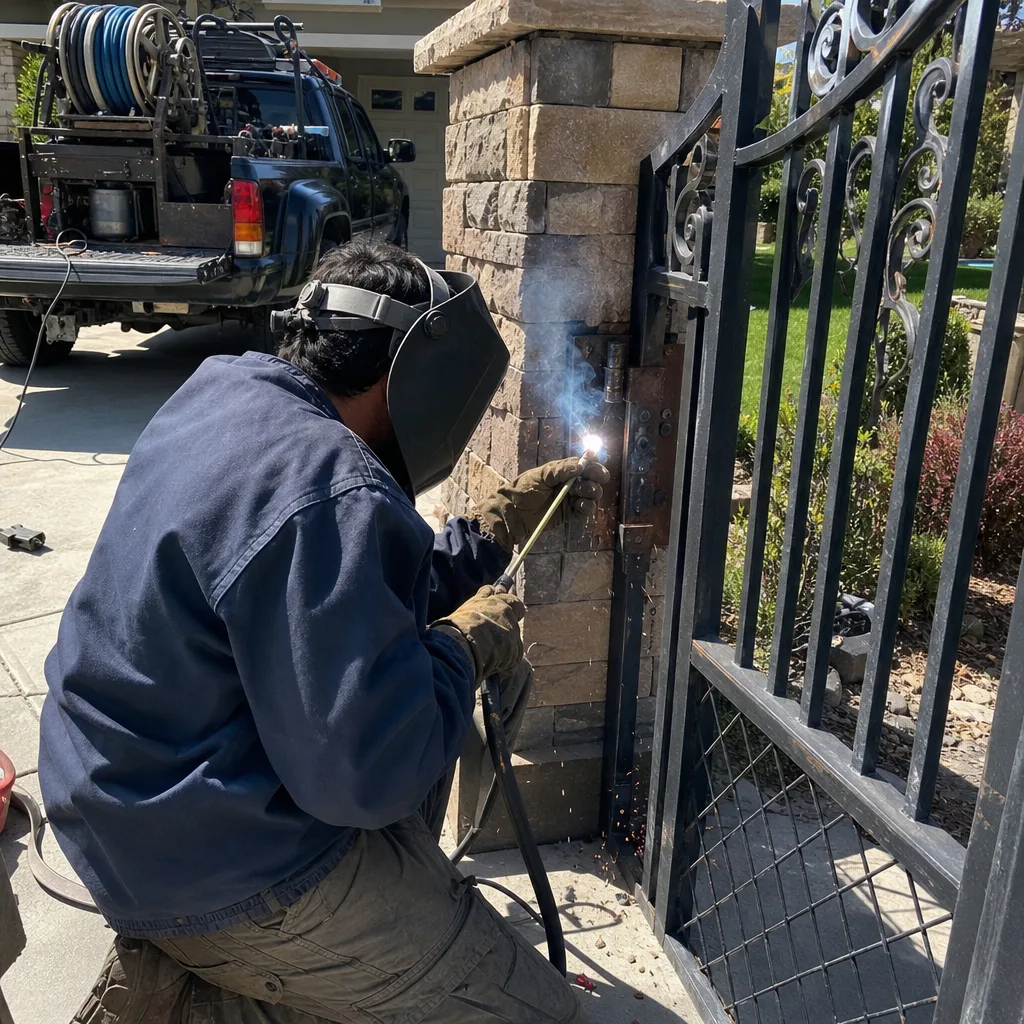
Post footings for a driveway gate need to set before the gate is hung and loaded. The minimum is usually 48 to 72 hours for the concrete to reach enough strength to carry the post and the gate leaf without shifting. That window is the single gap in the schedule no contractor can shorten, and any contractor who promises to skip it is inviting a sagging post, a misaligned gate, and a repair call within the year.
In Winchester, the cure window interacts with the local climate. Summer afternoons routinely push past 100°F, and concrete poured in direct sun cures faster on the surface than at the base, which can cause hairline cracking if the pour isn’t shaded or damp-cured. That’s a scheduling detail, not a hazard, but it means a responsible installer plans the pour for the morning and returns after cure rather than pushing the hang the same afternoon. Winter isn’t a compression issue here the way it is in cold climates, but the dry spring dust and wind mean the footings need to be protected from drying too fast.
What this means for you: when a written estimate lists installation as one day, ask what happens between the pour and the hang. If the answer is nothing, the schedule is optimistic. The cure window is the honest baseline that anchors the whole timeline.
What a Written Scope Should Say About Milestones
A written price is the first thing you should see. The second is a written timeline. Without milestone dates in the scope, you can’t tell whether a project is drifting or right on schedule, and that’s exactly how homeowners end up calling another company to rediscover the same problem. The Haven Standard Clause 1 is a written price before any tool is picked up, and the same logic applies to the schedule.
A scope that lets you hold the contractor accountable should specify:
- Assessment date and the condition findings, including whether the existing post or power is reusable.
- Permit filing date and who is responsible for pulling it – the homeowner or the company.
- Deposit and order date for the gate and operator, with the expected ship window.
- Pour date and the planned hang date after cure, stated as calendar dates, not “after cure.”
- Commissioning date and what documentation you’ll receive at the end.
- Any dependency, such as the electrician’s conduit run or the HOA approval, that could shift the rest.
If you already have a written estimate from another company and you’re not sure the timeline holds up, we offer a free second opinion at no cost. Bring the paperwork and we’ll review it.
How Gate Type and Existing Infrastructure Change the Timeline
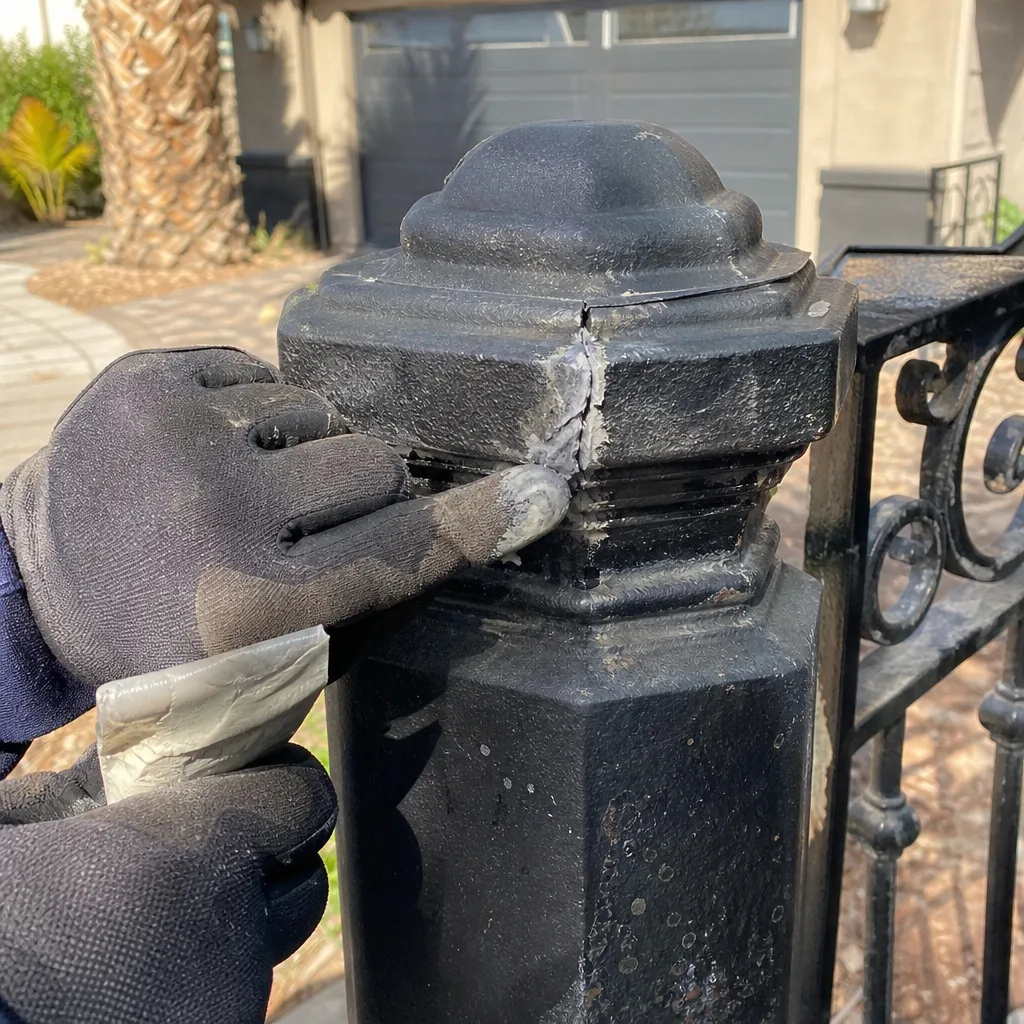
Two variables swing the schedule by days rather than hours: whether the gate swings or slides, and whether power and conduit already reach the post.
Swing vs. slide
A swing gate is the simpler install when the driveway slope cooperates, because the operator arm mounts to an existing post and the travel is short. That usually lands the physical install at one day. A slide gate needs a track, rollers, and a level runway, plus more room for the gate to travel, so the install day often stretches to two and the site prep takes longer. In Winchester’s foothill-adjacent neighborhoods, a driveway that slopes more than a few degrees often forces the slide-gate decision, and that adds two to four days to the total.
Power and conduit at the post
If power is already at the post and the conduit is run, the operator side is straightforward. If not, an electrician has to trench and run conduit before the gate can be automated, and that step alone can add a week and depends on a separate trade’s schedule. This is one place where a verbal estimate hides real calendar. A written scope that flags the conduit run as a dependency is the difference between a 10-day job and a 4-week one. The team at Vance Gate Repair Winchester home documents every conduit and wiring condition on the assessment visit so the electrical scope is clear before anyone orders parts.
What Happens at Commissioning – and What Gets Left Behind
Commissioning is the phase that separates a finished job from a poured-and-hung job. It’s also the phase most likely to be skipped when a contractor is running behind. We treat it as a documented event with physical evidence attached. Under the Haven Standard Clause 4, every visit includes a photo record at no additional charge, and commissioning is no exception.
At the end of commissioning, you should receive:
- Limit-switch readings, recorded and photographed at the open and closed positions.
- Travel-limit documentation showing how far the gate moves before it stops, and why that setting was chosen.
- A controller programming printout listing the operator model, the dip-switch or menu settings, and the remote codes assigned.
- Photo-eyes aligned and tested, with the test documented, so the safety beam stops the gate on obstruction.
- A photo log of what was found, what was set, and what was installed, left with you and filed in the job record.
That packet matters because it lets any future technician start from a known state instead of guessing, and it’s the difference between a job that’s actually finished and one that merely looks done. For the maintenance and repair side of ownership, see our gate repair in Winchester guidance.
Common Mistakes to Avoid
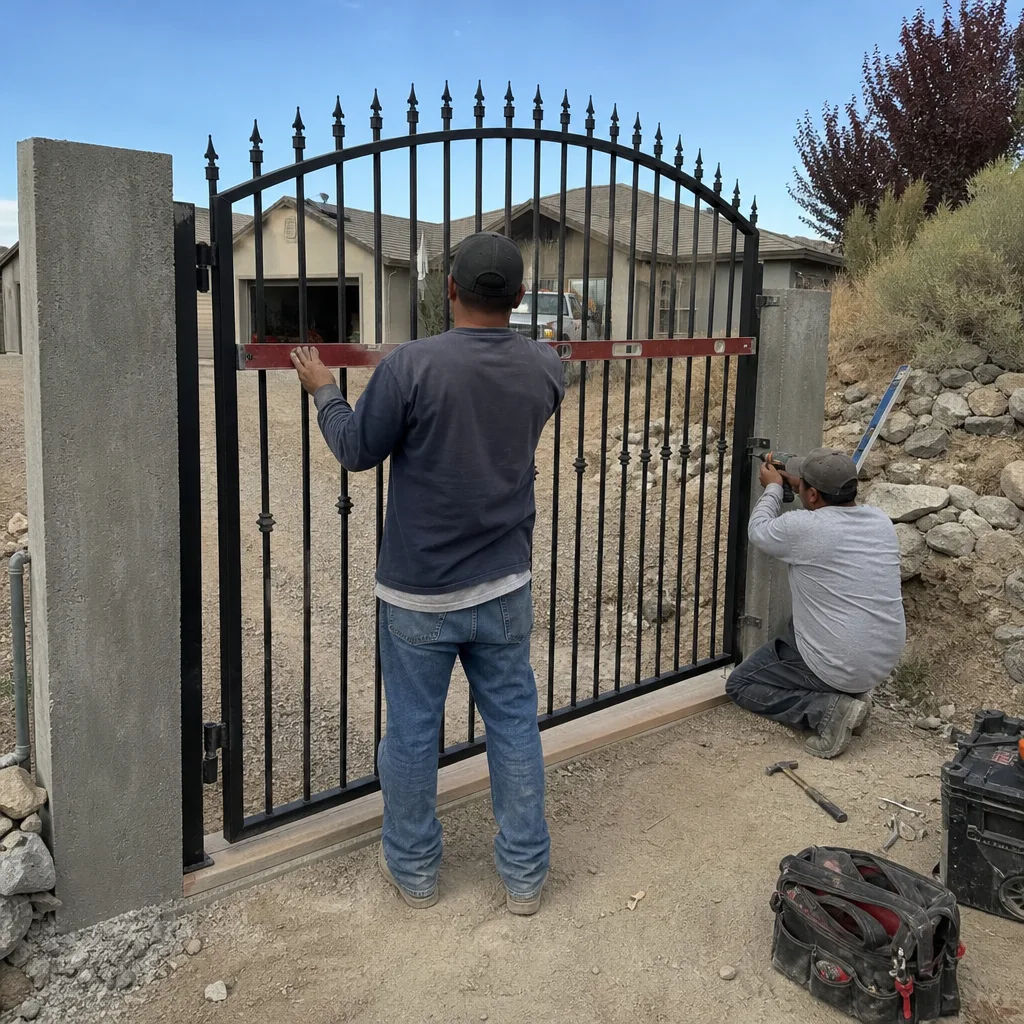
- Treating the quoted install day as the whole timeline. Installation day is 5 to 10 percent of the calendar. Budget 2 to 3 weeks and you’ll rarely be surprised.
- Skipping the permit or HOA step to save time. A gate with a motor usually needs a permit, and HOAs in Winchester’s gated communities often require design review. Skipping it can force a teardown later.
- Pouring the footings and hanging the gate the same day. The 48 to 72 hour cure window is not optional. A gate hung on green concrete will shift, and the repair often costs more than the wait.
- Forgetting to confirm power and conduit. If power isn’t at the post, the electrician’s schedule becomes part of yours, and that dependency is easy to miss.
- Hiring the brand-locked installer. If a contractor only works with one operator brand, you’ll be steered toward replacement instead of a repair when the motor needs service. A company that services Linear, Viking, Ghost Controls and DoorKing can work with what’s already on the property.
- Accepting a verbal schedule. A verbal timeline leaves you nothing to hold the contractor to. Ask for milestone dates in writing.
- Leaving without the commissioning packet. No limit-switch readings, no programming printout, no photo log means the next technician starts from zero and you may pay twice to rediscover the same setting.
When to Call a Professional
Gate installation and motor work involve high-tension springs, line-voltage wiring at the operator, and heavy gate leaves that can injure anyone caught in their path. If a post footing is cracked, a gate has shifted off its hinge, or a photo-eye is failing, the safe move is a trained technician rather than a weekend attempt. Call a professional when the operator won’t cycle reliably, when the gate reverses without an obstruction, when a limit switch has been bumped, or when the safety beam no longer stops the gate. Vance Gate Repair Winchester offers free estimates in Winchester, and the price is written and agreed before any work starts. Call (866) 983-9213 for a free estimate.
Frequently Asked Questions
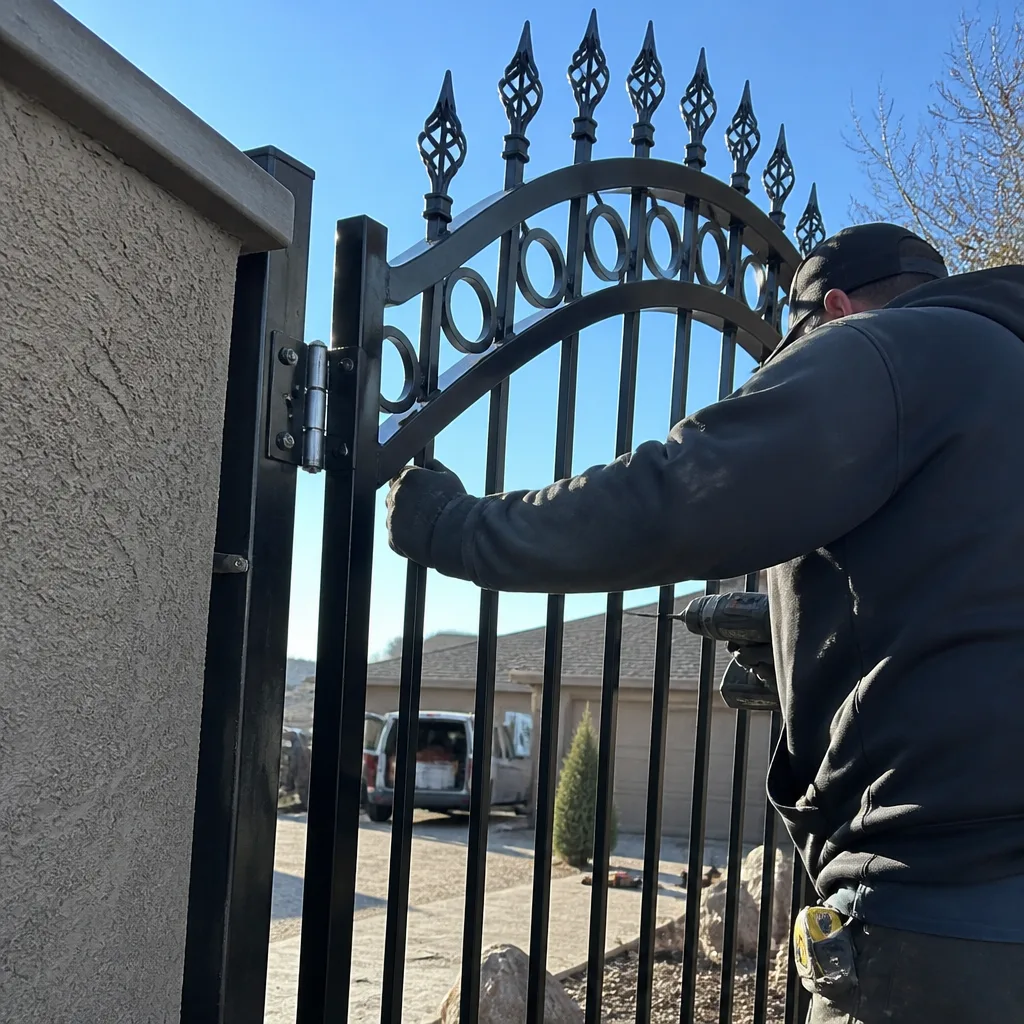
Most residential gate installations in Winchester take 2 to 3 weeks from accepted price to a reliably working gate, with the physical installation itself usually one day. The rest is assessment, permit or HOA approval, materials lead time, and the mandatory concrete cure. Swing gates on existing power can land near 10 days; slide gates that need a new conduit run often stretch to 4 weeks. Call (866) 983-9213 for an exact quote, and estimates are free.
No, and any company promising a same-day gate installation is skipping the phases that protect you. Installation is measured, ordered and scheduled rather than dispatched, so the first visit is an assessment and the written price comes after. What we do offer is a live person answering the phone around the clock so you can start the process whenever you call. Call (866) 983-9213 to schedule an assessment, and the free estimate follows.
Most motorized gate installations and new fence lines require a permit, and many HOAs require design review before work begins. The permitting step usually takes 3 to 10 days and is the single phase homeowners most often forget to budget. Confirm the requirement with your local building department and your HOA before you place the order. Call (866) 983-9213 for a written scope that lists who pulls the permit, and estimates are free.
Residential gate installation in Winchester typically runs from about $3,500 to $9,000 depending on whether the gate is swing or slide, whether power and conduit already reach the post, and which operator brand is chosen. A standard swing gate with an existing power source sits near the lower end; a slide gate with a new conduit run and a specialty operator reaches the upper end. Every price is quoted and agreed before any work starts. Call (866) 983-9213 for an exact quote, and estimates are free.
A full installation includes site assessment and measurement, permit and HOA paperwork as scoped, the gate and operator, posts and footings, wiring and safety photo-eyes, and commissioning with a documented record. The commissioning packet is the part most homeowners don’t know to ask for: limit-switch readings, travel-limit documentation, a controller programming printout, and a photo log left with you. Call (866) 983-9213 for a free estimate that spells out every inclusion.
Yes, the electrical scope for the operator, conduit, and safety edges is part of the written plan, and on the assessment visit we photograph the existing conditions so nothing is a surprise later. If the conduit isn’t already run, the electrician’s schedule becomes part of the timeline and we flag it as a dependency. Our technicians have up to 12 years of experience and service nine major operator brands including Linear, Viking, Ghost Controls and DoorKing, so the motor already on the property is handled rather than replaced. Call (866) 983-9213 for a free estimate.
The Bottom Line
The honest answer to how long gate installation takes is 2 to 3 weeks from price to working gate, with the physical installation day as a small slice near the end. The phases that fill the calendar are assessment, permit and HOA approval, materials lead time, and a 48 to 72 hour concrete cure that no contractor can compress. Swing gates on existing power land near 10 days; slide gates with new conduit reach 4 weeks. Ask for milestone dates in writing, ask what happens between the pour and the hang, and ask what gets left behind at commissioning. That packet is the proof the job is finished. For operator service down the road, our gate motor and opener in Winchester page covers maintenance and repair.
Written by the team at Vance Gate Repair Winchester.
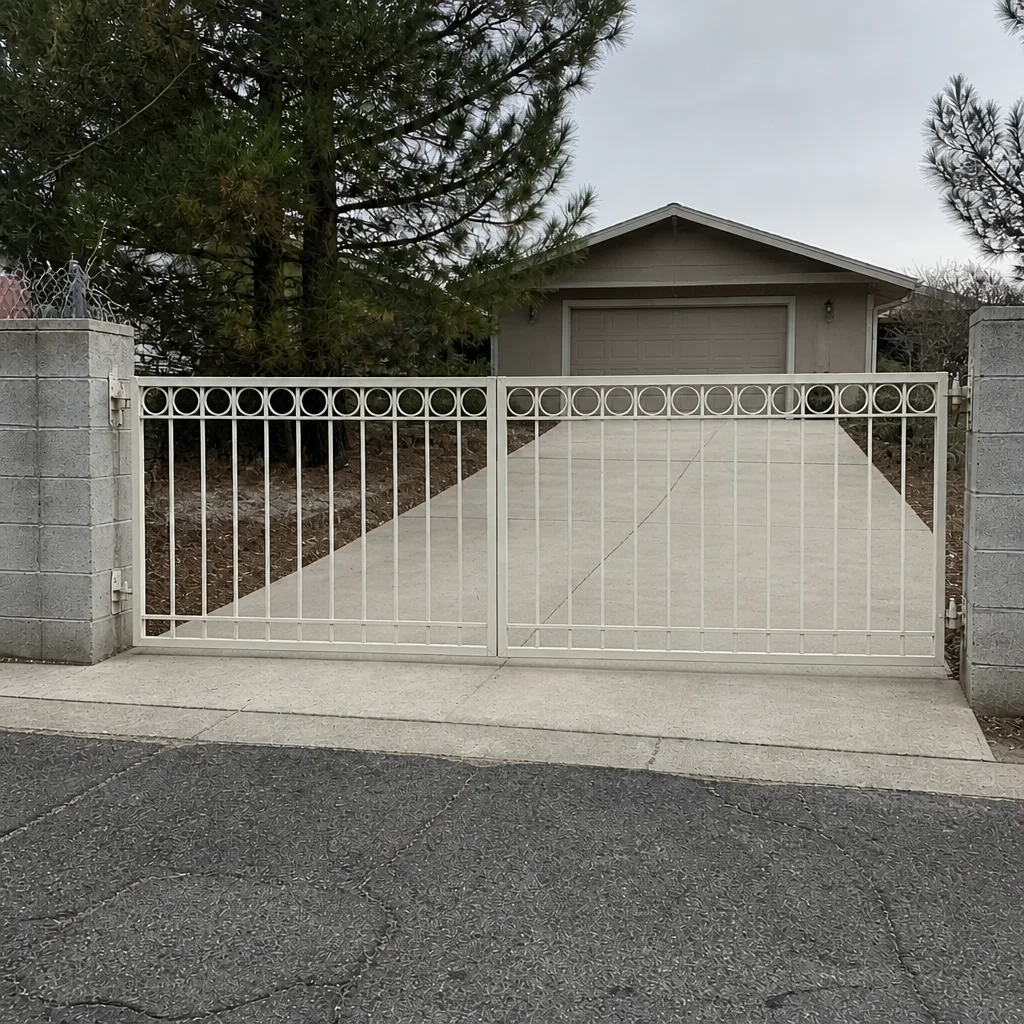
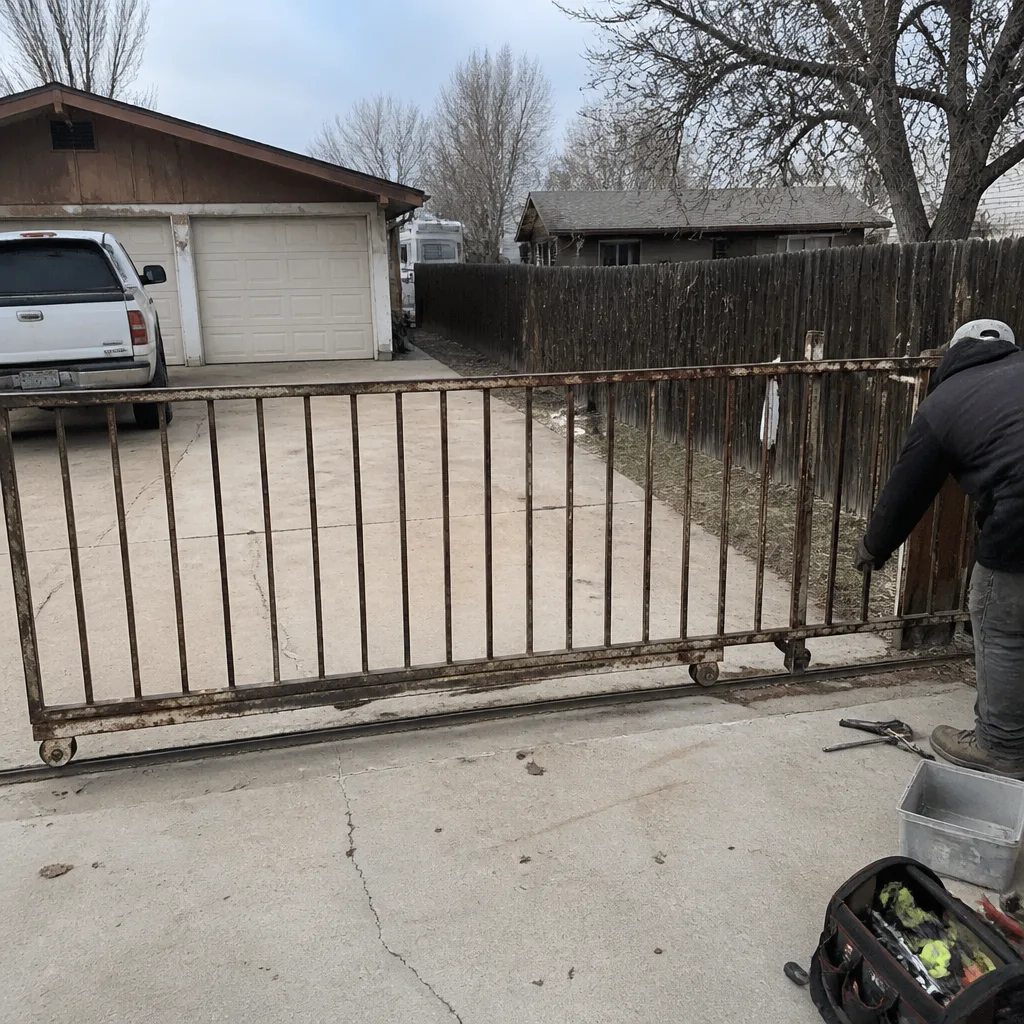
See the difference
BeforeAfter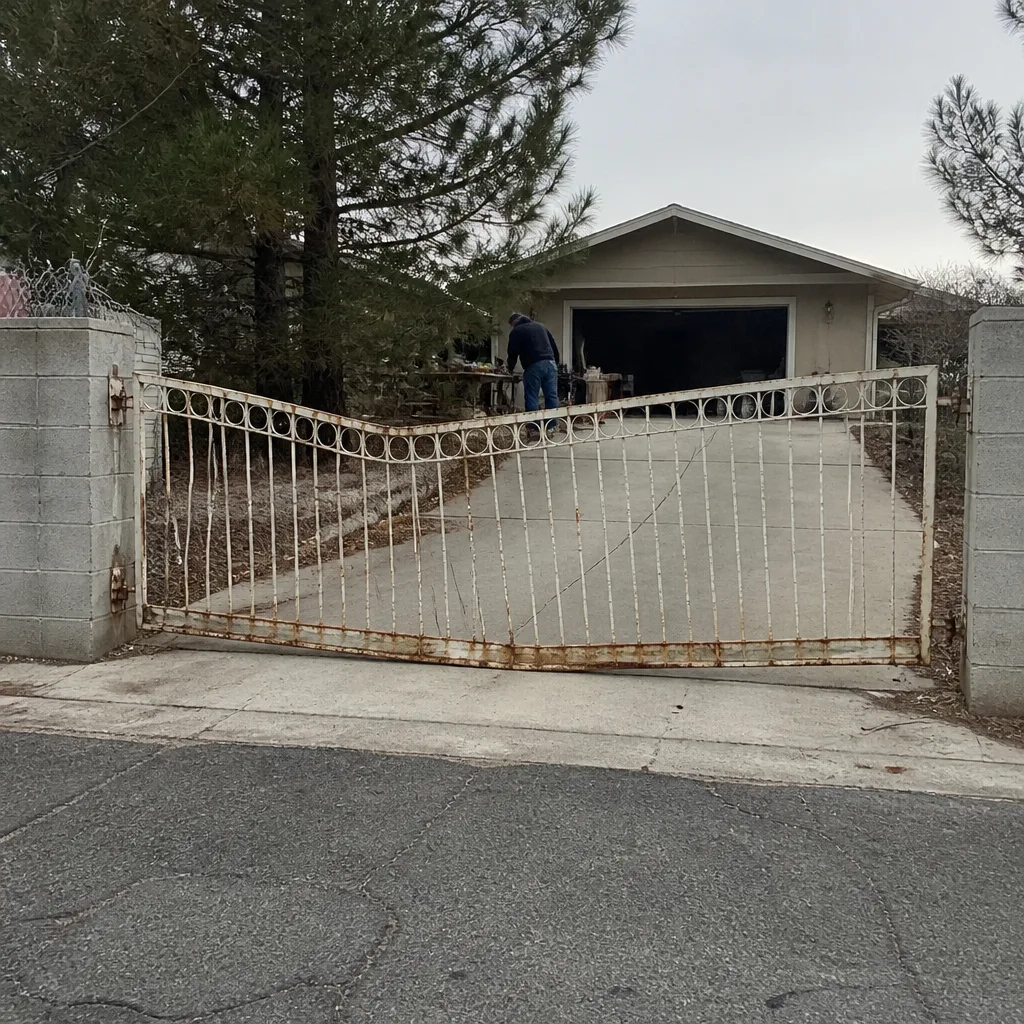 Before
 After
 Before
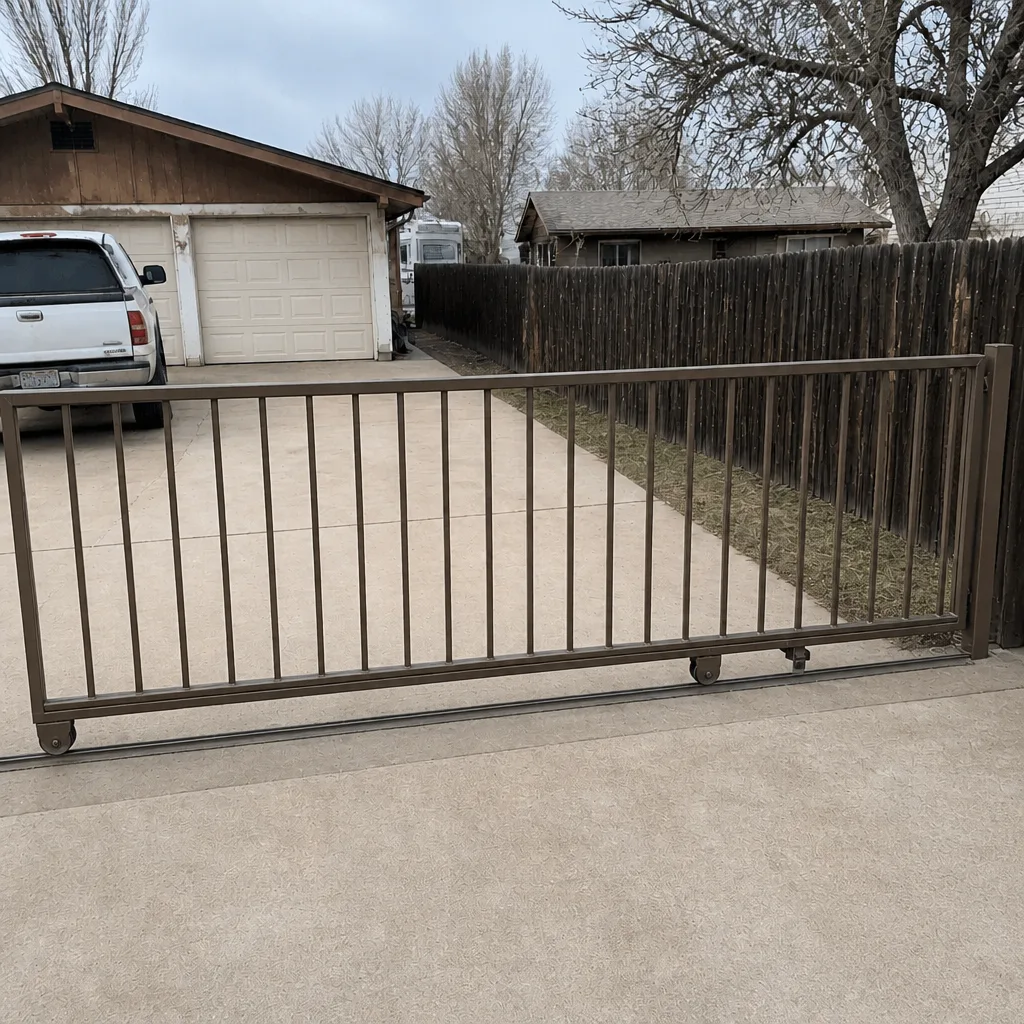 After